Second Siemens Gamesa turbine issue at same Orsted offshore wind farm in two months
Siemens Gamesa turbines are experiencing recurring failures at an Orsted offshore wind farm, raising questions about quality control and commissioning protocols.
At a Glance
- A second Siemens Gamesa turbine failure has occurred at the same Orsted offshore wind farm within a two-month window.
- Recurring issues at a single installation suggest potential systemic problems beyond isolated manufacturing defects.
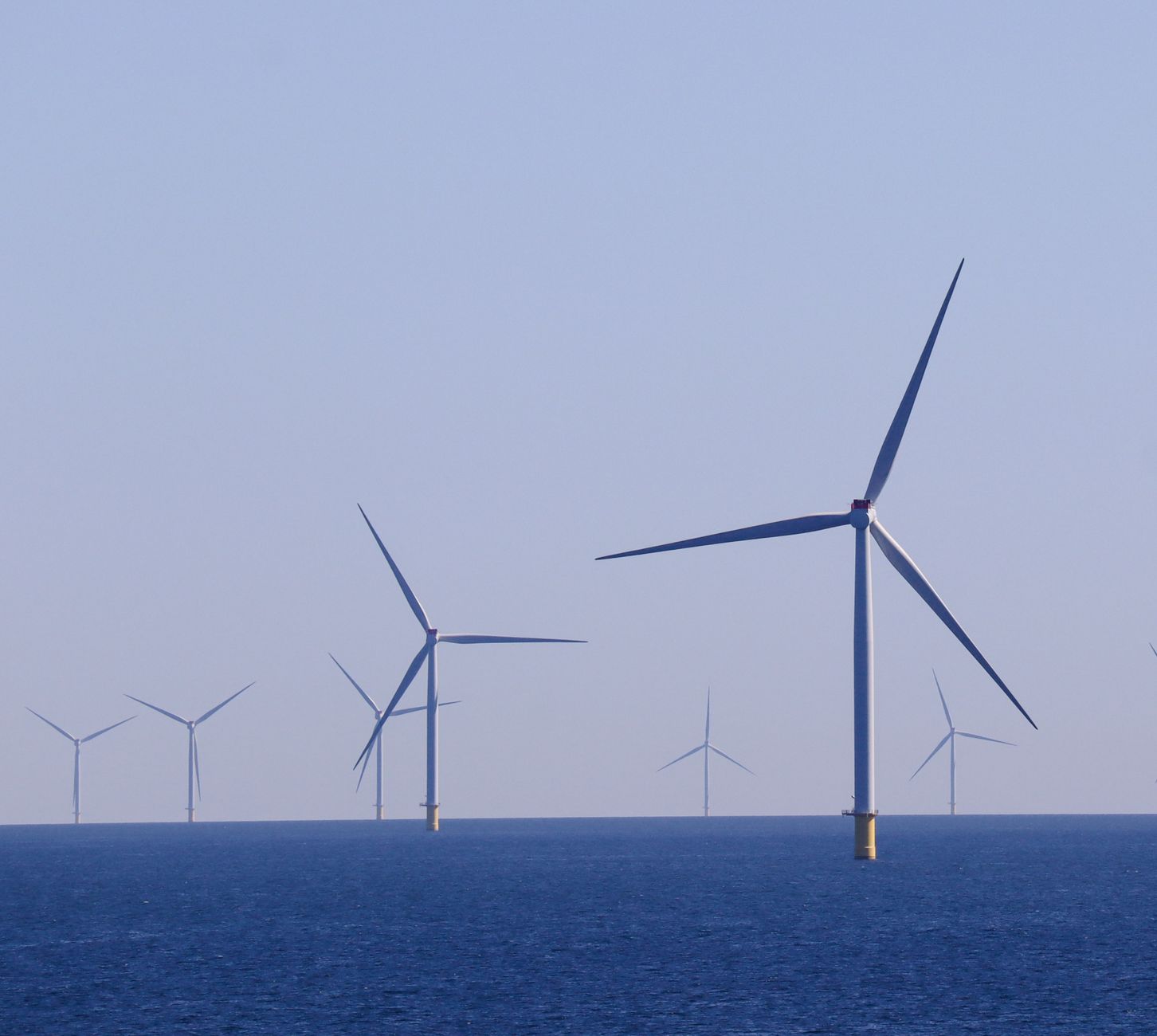
- Modern offshore turbine blades exceed 115 meters in length, making blade and drivetrain failures costly and logistically challenging to address at sea.
Pattern or Anomaly?
When identical equipment fails twice at the same location within weeks, operations teams face a difficult diagnostic question: Is this random bad luck, or does it signal something structural? The recurrence at this Orsted asset narrows the possibilities. Equipment qualification and factory acceptance testing should catch most defects before installation. If that screening is working, repeated failures point either to site-specific conditions—environmental stressors, integration mismatches, or commissioning errors—or to a design vulnerability that testing didn't expose.
The Cost of Offshore Failures
Failure consequences scale dramatically offshore. Modern blades stretch beyond 115 meters, requiring specialized vessels and weather windows for removal or repair. Downtime on large-capacity machines translates directly into lost generation and revenue. Each intervention carries logistics costs that dwarf onshore repairs. When failures cluster, the financial impact compounds, and so does scrutiny from the project's bankability perspective.
What Gets Investigated
Orsted and Siemens Gamesa will likely examine control system logs, structural health monitoring data, and environmental conditions during the commissioning phase. They'll cross-reference these failures against similar installations running the same turbine model and software versions. The investigation may reveal commissioning procedures that require refinement, software calibrations that need adjustment, or environmental factors—grid voltage, wave loading, wind shear patterns—that weren't adequately characterized before installation. If the root cause is commissioning-related rather than manufacturing, it carries implications beyond this single farm.
Moving Forward
Owners and operators increasingly demand not just turbine hardware reliability but transparency into failure modes and preventive strategies. Orsted has invested substantially in this asset and can't afford extended outages. Siemens Gamesa faces both a technical problem and a reputational one—particularly if competitors can point to better early-stage performance at similar sites. The resolution will likely involve enhanced monitoring protocols, control logic adjustments, or modified commissioning procedures that ripple through the industry's practices.
Enjoyed this one?
Get the next MW Daily entry straight to your inbox.
mwdaily.energy — no spam, unsubscribe anytime