Net Zero by 2050 – Analysis
IEA's net-zero pathway demands radical grid transformation and offshore wind scale-up that only newest turbine technology can support.
At a Glance
- IEA net-zero analysis identifies grid modernization as central to 2050 decarbonization targets.
- Offshore wind deployment at massive scale requires turbines with blades exceeding 115 meters in length.
- Grid infrastructure must adapt to accommodate larger, more efficient marine installations.
- Technology scaling and transmission expansion are interdependent challenges in zero-carbon transition.
The Grid as Limiting Factor
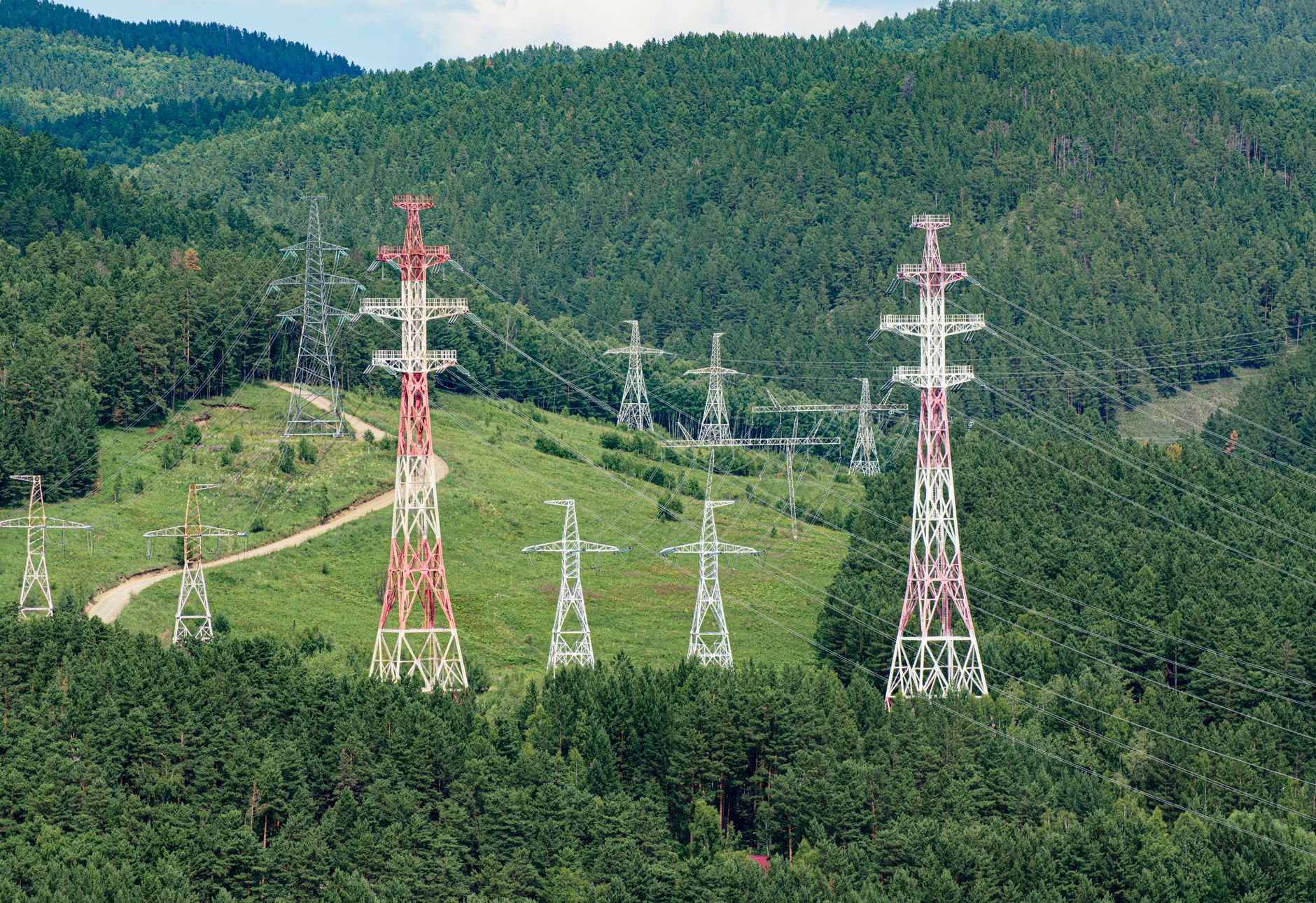
The International Energy Agency's pathway to net-zero emissions by 2050 places unprecedented demands on electrical infrastructure. This isn't simply about installing more generation capacity—it's about fundamentally rethinking how electricity moves from source to load. The grid today was designed for centralized, dispatchable power plants. Meeting decarbonization targets requires absorbing distributed, variable renewable sources at scales that existing transmission systems weren't engineered to handle. That mismatch between available infrastructure and required renewable penetration has become the binding constraint in many analyses.
Why Offshore Wind Matters at This Scale
Offshore wind features prominently in net-zero scenarios because of capacity factor and spatial efficiency. The best onshore sites are geographically constrained; oceans offer room to expand. But realizing that potential requires equipment that was barely feasible a decade ago. Modern offshore turbine blades now exceed 115 meters in length—longer than a football field. That leap in scale translates directly to doubled or tripled power output per unit, reducing the number of installations needed to hit deployment targets. Fewer turbines means lower balance-of-plant costs and simpler grid integration challenges, though only if transmission infrastructure keeps pace.
Grid Readiness as the Real Bottleneck
Capacity planning for offshore wind has shifted from "can we build these machines?" to "can our grids absorb them?" Large marine installations sit far from load centers, requiring high-voltage transmission corridors that take a decade to permit and build. Simultaneously, onshore renewable growth continues, adding variable sources everywhere. Grid operators face a dual challenge: interconnecting remote offshore capacity while managing increasing demand-side variability from electrified transport and heating. Traditional planning approaches—building infrastructure to meet peak demand—don't work when that peak becomes a rolling target shaped by weather patterns and behavioral shifts.
What This Means for the Supply Chain
Turbine manufacturers have already demonstrated the technical capability to scale blade length and power ratings. The bottleneck has migrated upstream to transmission developers and grid planners. Companies working on interconnection, storage, and voltage management systems will face outsized demand relative to turbine suppliers. The 2050 pathway isn't constrained by what we can manufacture—it's constrained by how fast we can rewire and reinforce the grid that carries it.
Enjoyed this one?
Get the next MW Daily entry straight to your inbox.
mwdaily.energy — no spam, unsubscribe anytime