Floating pioneer 'may never make back money' after crippling wind turbine failures
Floating offshore wind project struggles with turbine failures, raising questions about commercial viability of the sector
At a Glance
- A pioneering floating offshore wind project faces economic challenges following turbine failures.
- Modern offshore blades exceed 115 meters in length, creating maintenance and reliability complexities at scale.
- Early-stage floating technology deployments are testing cost recovery assumptions in harsh marine environments.
- Sector viability depends on resolving mechanical reliability before projects reach financial breakeven.
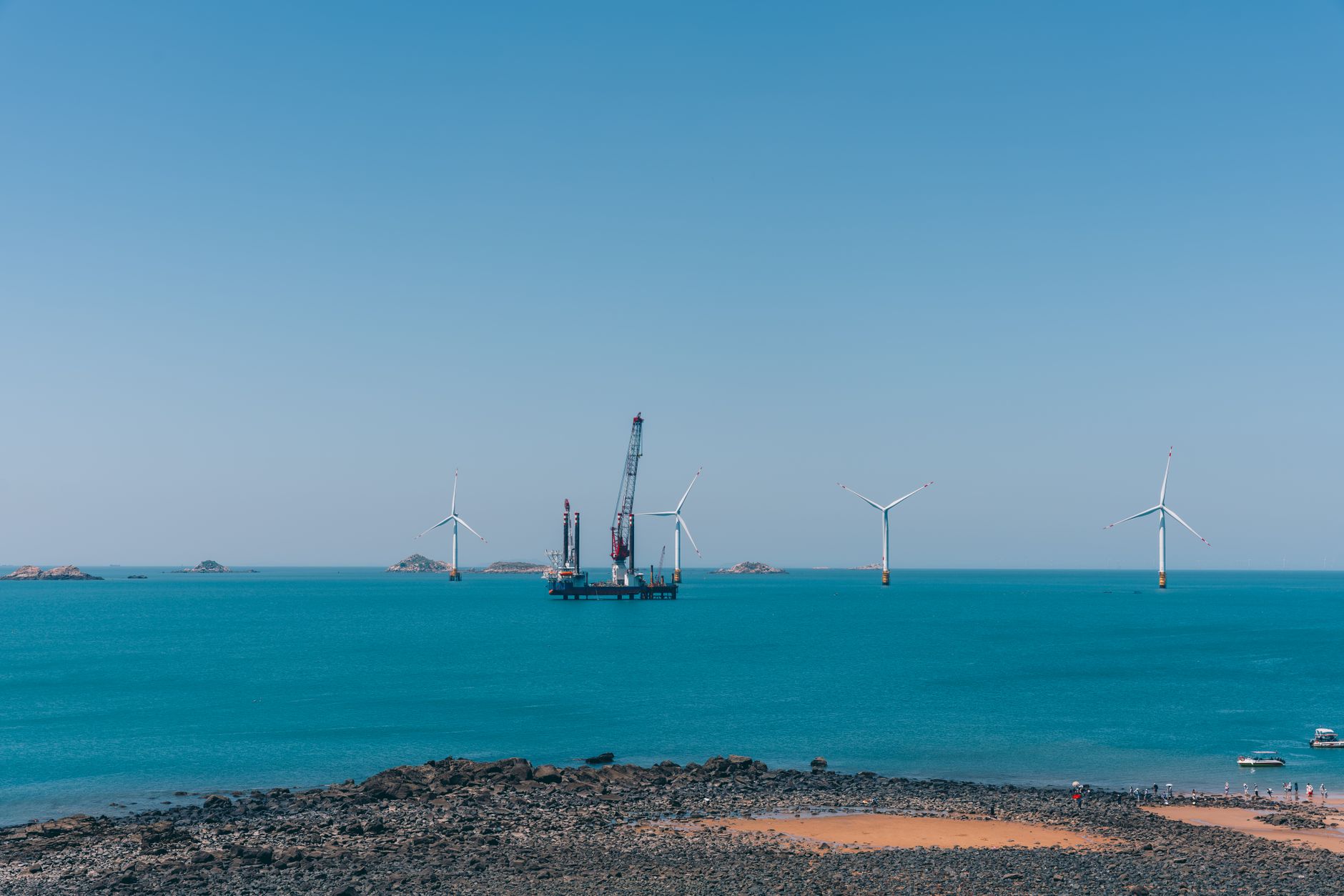
The Floating Frontier's Financial Wall
Floating offshore wind was supposed to unlock vast new areas for development — waters too deep for fixed foundations but with consistent resource potential. The technology promises to address siting constraints that have slowed coastal expansion in mature markets. Yet a struggling pioneer project now faces investor concern that the business case itself may not hold water. Equipment failures at an early deployment are forcing hard conversations about whether costs can ever align with revenue expectations in this emerging segment.
Scale and Complexity Compounds Risk
Offshore turbines have grown dramatically. Modern blades routinely exceed 115 meters in length — equivalent to the full span of an American football field — and the structural dynamics at that scale introduce challenges that land-based predecessors never faced. Floating platforms add another layer: the platform motion, mooring systems, and dynamic cable fatigue create failure modes that fixed-bottom designs avoid entirely. When components fail on a floating unit in deep water, both repair logistics and downtime costs escalate sharply. The engineering margin for error shrinks considerably.
Capital Intensity Meets Unproven Reliability
Floating projects demand heavy upfront investment in both the turbines themselves and the specialized installation vessels required to deploy them. If reliability issues emerge during early commercial operation — as this project is experiencing — the economic model buckles. Revenue streams depend on thousands of operational hours; unexpected failures drain cash reserves faster than output can replenish them. For a first-mover project, this creates a cascading problem: poor financial performance becomes a signal to the market, potentially raising capital costs for subsequent projects even if the underlying engineering issues are addressable.
Path Forward Requires Honest Assessment
The industry needs floating wind to succeed — fixed-bottom capacity is hitting practical and permitting limits in many regions. But that urgency cannot override engineering reality. Projects in this phase are test beds, and expensive ones. The real value may not be in the individual project's P&L but in the data and lessons that inform the next generation. However, investors will demand clearer timelines and confidence intervals. Without demonstrable progress on reliability, financing for the sector's growth phase will remain constrained, regardless of long-term potential.
Enjoyed this one?
Get the next MW Daily entry straight to your inbox.
mwdaily.energy — no spam, unsubscribe anytime