Vestas bags new onshore wind turbine orders totalling over 600MW
Vestas secures onshore orders exceeding 600MW as demand for land-based wind remains strong despite offshore growth.
At a Glance
- Vestas has won new onshore wind turbine orders totaling more than 600MW.
- Onshore turbines remain a substantial market segment despite the industry's push toward larger offshore machines.
- Modern offshore blades now exceed 115 meters in length, reflecting the diverging scale strategies between onshore and offshore platforms.
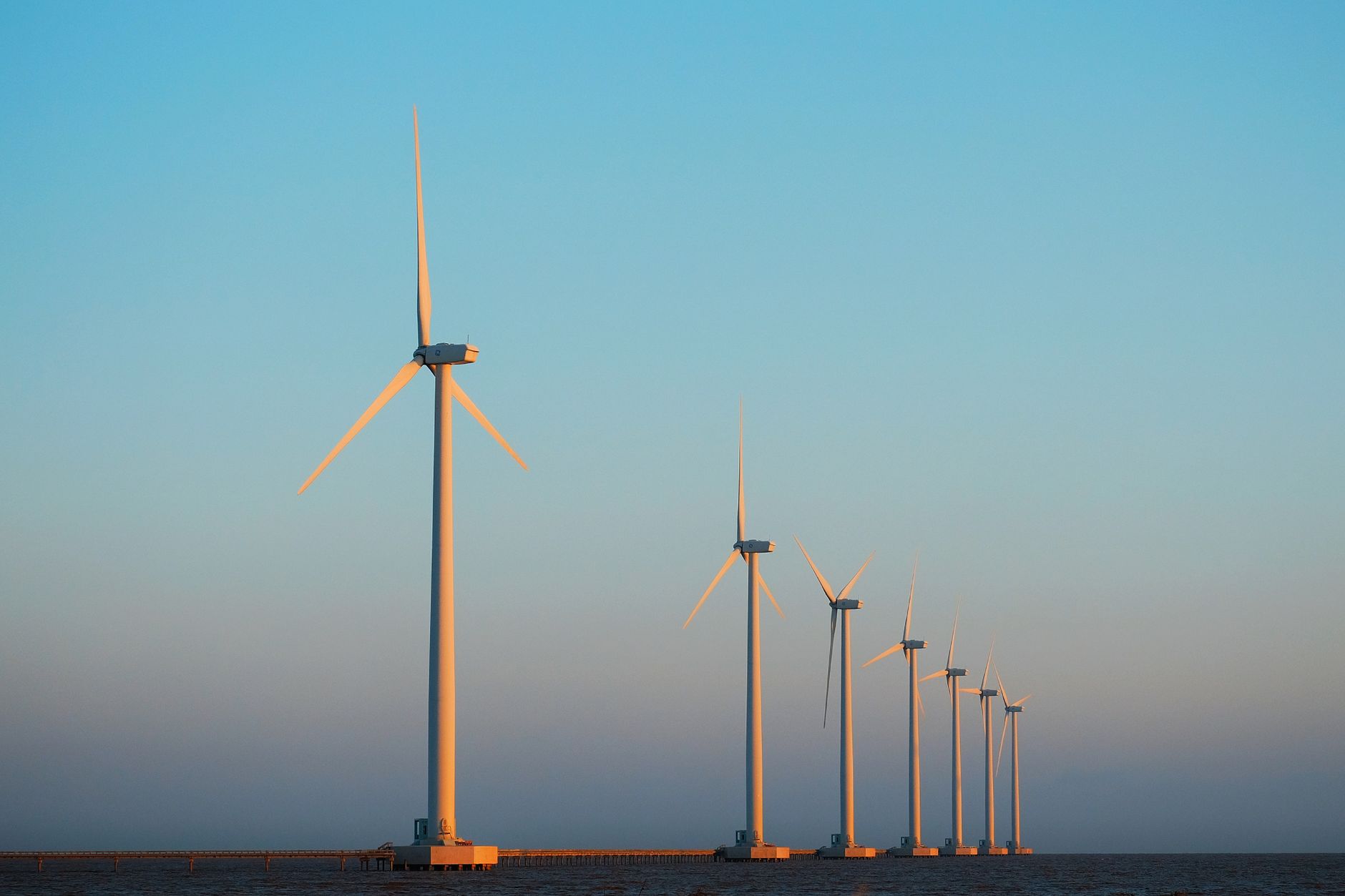
Onshore Volume Remains a Core Business Driver
Vestas's latest order haul underscores a persistent reality: onshore wind, while less flashy than offshore development, continues to fill the order books for major turbine manufacturers. The 600MW-plus win reflects sustained customer appetite for projects where permitting timelines are shorter, grid connection points are more flexible, and capital intensity doesn't match the seven-figure installations sprouting in waters around northern Europe and beyond.
This order volume also highlights the segmentation within the wind industry. While attention gravitates toward offshore megaprojects—where blade lengths now regularly surpass 115 meters, stretching longer than an American football field—the terrestrial market demands solutions calibrated for different terrain, noise constraints, and community integration realities. Both segments require distinct engineering discipline and manufacturing footprints.
Scale Divergence Reflects Market Maturity
The contrast between onshore and offshore development tells a story about specialization. Offshore platforms have chased capacity growth aggressively, pushing individual turbine ratings toward 15-20MW and beyond, enabled by those enormous blade spans and floating or fixed-foundation architectures. Onshore projects, by contrast, typically cluster in the 3-5MW range for modern installations, where hub heights and blade lengths are constrained by transportation logistics, tower crane availability, and community tolerance.
Vestas's order book across both segments reflects this reality. Onshore contracts can achieve healthy margins through volume; offshore requires proven performance at extreme scale.
What the Order Signals
A six-hundred-megawatt onshore procurement doesn't move market sentiment the way a 2GW offshore lease announcement does, but it demonstrates fundamental health in terrestrial wind deployment. Project developers continue to advance onshore farms—whether as portfolio diversification, grid services additions, or primary development strategies in regions where offshore options don't exist.
For a turbine manufacturer, balanced order intake across both platforms provides revenue stability and manufacturing utilization. The global push toward decarbonization requires both models; offshore captures headlines and maximum capacity per installation, but onshore projects deliver faster deployment, lower financing risk, and community-scale benefits that regulators and local stakeholders increasingly value.
Enjoyed this one?
Get the next MW Daily entry straight to your inbox.
mwdaily.energy — no spam, unsubscribe anytime