RWE, Equinor and Brookfield 'among Uniper bidders'
Three major energy players reportedly vying to acquire Uniper as consolidation pressure mounts across European power sector.
At a Glance
- RWE, Equinor, and Brookfield are among reported bidders for Uniper.
- The acquisition signals continued consolidation in Europe's energy infrastructure sector.
- Uniper's portfolio likely includes renewable assets alongside conventional generation.
- Deal structure would reshape competitive dynamics across multiple energy markets.
Consolidation Accelerates in European Energy
The reported bidding process for Uniper underscores a familiar pattern: as energy companies grapple with the capital intensity and regulatory complexity of the transition, scale and financial backing have become survival traits. Bringing together generation portfolios, grid connections, and operational expertise under unified ownership simplifies everything from permitting to portfolio optimization. A multi-bidder process suggests serious strategic value in the asset bundle.
Each prospective acquirer brings different capabilities to the table. RWE operates across onshore and offshore wind across multiple geographies. Equinor combines North Sea production expertise with growing renewable ambitions. Brookfield's infrastructure fund model operates at a different velocity than traditional utility M&A. The diversity of bidders hints that Uniper's real value may lie not in any single asset class but in the integration opportunities and market positions the company represents.
Portfolio and Execution Risk
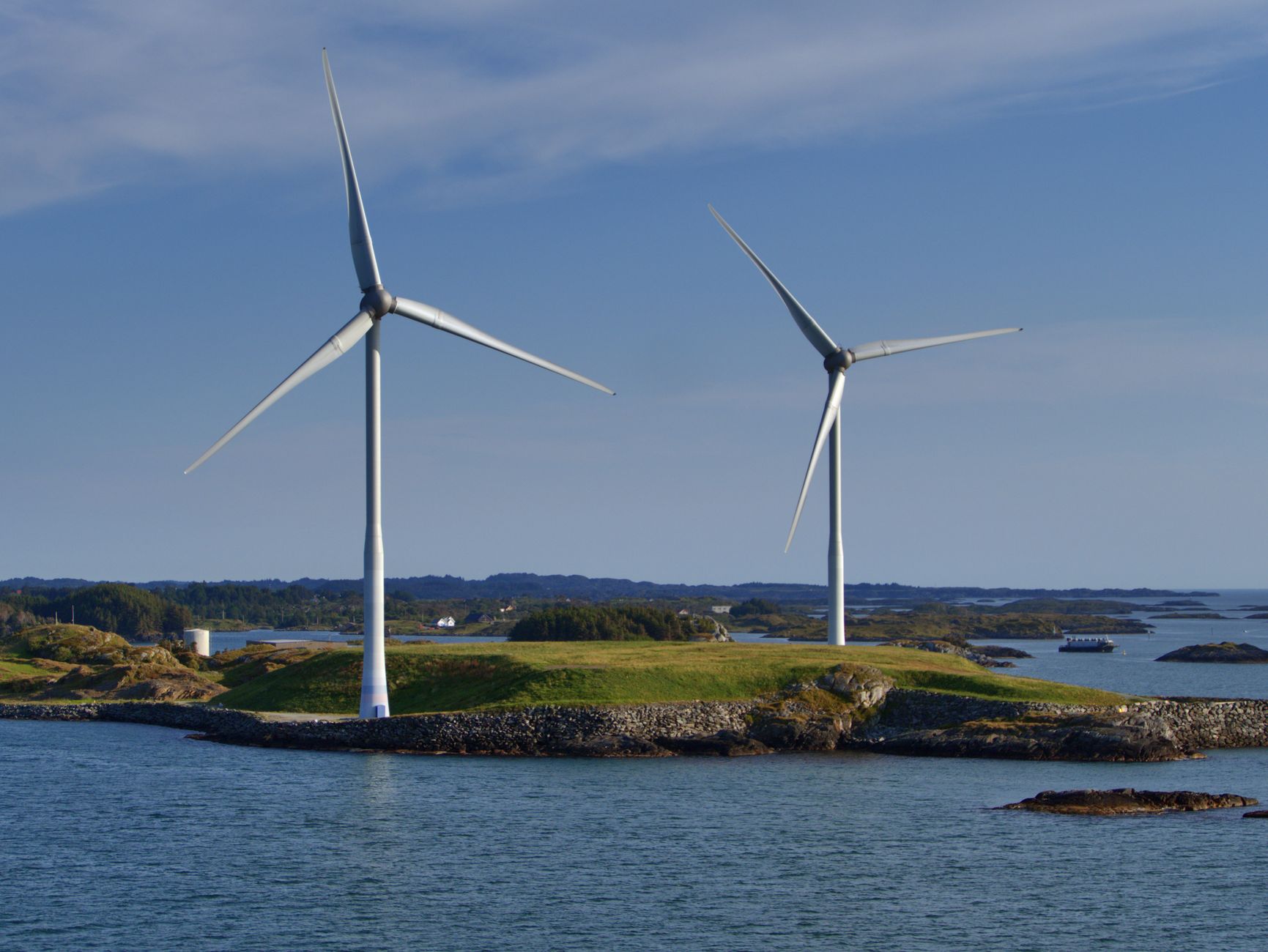
Whoever wins this process inherits both renewable assets and legacy conventional generation—a mixed book that requires careful navigation. Modern offshore developments, where blade lengths now regularly exceed 115 meters, demand specialized project management, supply chain control, and grid integration planning. That kind of scale requires committed capital and experienced execution teams. Each bidder will be calculating not just current cash flows but their capacity to upgrade and develop these assets over the next decade.
The competitive bid structure creates pressure to pay fairly for the business while planning for the operational and capital efficiency gains that justify the acquisition premium. Bidders will be stress-testing their assumptions around renewable project delivery costs, permitting timelines, and the regulatory environment in the markets where Uniper operates.
What's at Stake
This deal matters beyond the transaction itself. European utilities are reshaping themselves in real time. Who controls major generation platforms, grid connections, and market position in a decarbonizing system shapes the competitive landscape for years. The process also signals that capital is still flowing toward consolidation in the sector—a sign that institutional investors and these major players believe the energy transition requires larger, more diversified platforms, not fragmentation.
The outcome will likely influence other consolidation discussions already happening quietly across the region.
Enjoyed this one?
Get the next MW Daily entry straight to your inbox.
mwdaily.energy — no spam, unsubscribe anytime