Orsted and CIP reportedly facing off in Taiwan offshore wind auction
Two major developers compete for Taiwan's offshore wind capacity as the market matures beyond early-stage projects.
At a Glance
- Ørsted and Copenhagen Infrastructure Partners are reportedly competing in Taiwan's offshore wind procurement process.
- Taiwan represents a significant growth market for offshore development in Asia-Pacific.
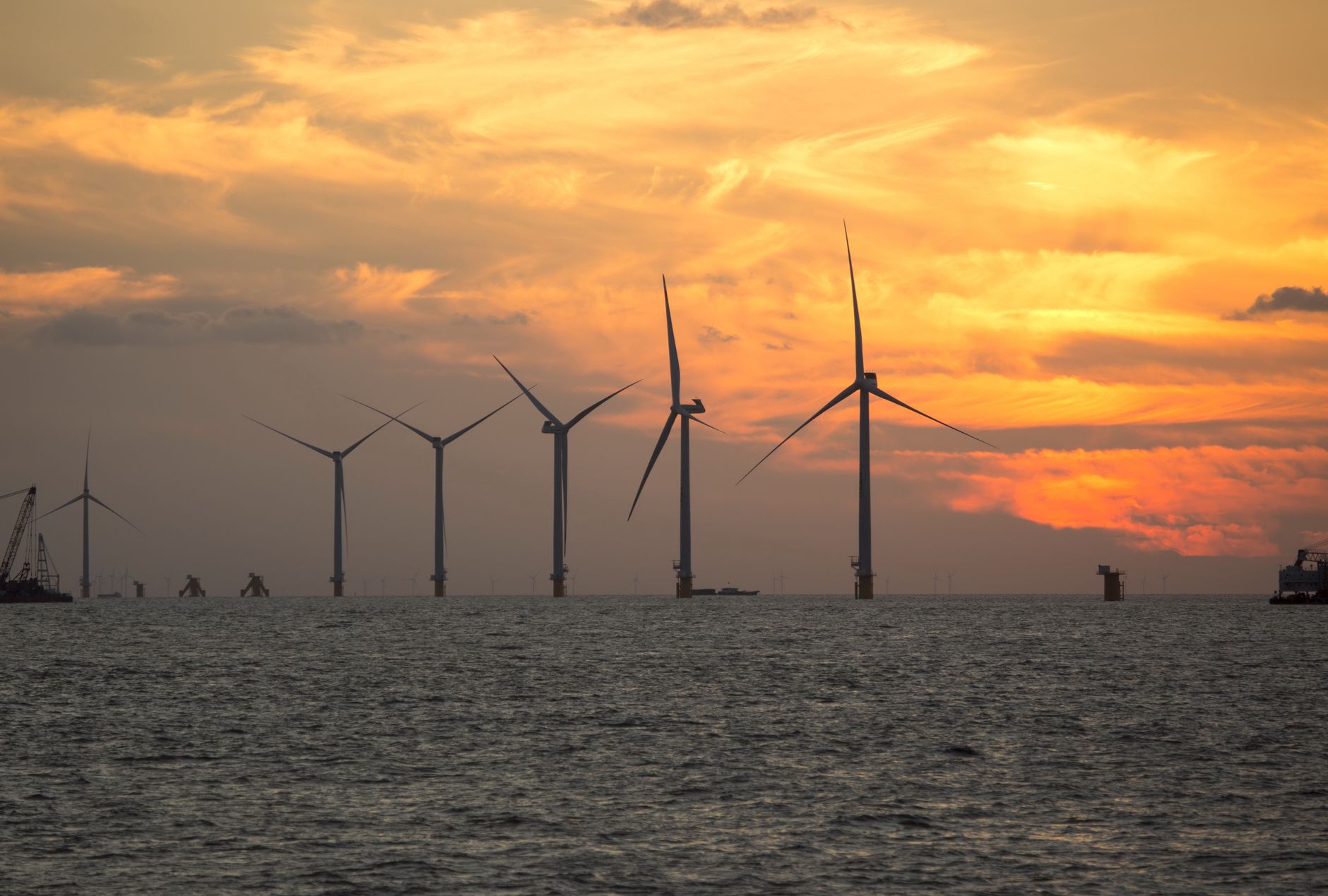
- Modern offshore turbine blades now exceed 115 meters in length, enabling higher energy capture per installation.
- Competitive tension between major developers typically drives down costs and accelerates deployment timelines.
Taiwan's Auction Signals Maturing Market
Taiwan's offshore wind sector is entering a new phase of competition. The reported interest from major European developers suggests the market has moved beyond pilot projects into serious commercial scale. Both Ørsted and Copenhagen Infrastructure Partners bring significant balance sheet capacity and operational experience from European waters—a credential set that matters when navigating Taiwan's regulatory environment and grid interconnection requirements. The presence of multiple bidders typically produces more competitive pricing and tighter project timelines, outcomes beneficial to the grid operator and consumers alike.
Scale and Efficiency Gains
The turbine technology being deployed in modern offshore projects reflects years of incremental advancement. Current blade designs exceed 115 meters in length—exceeding the dimensions of an American football field—which directly translates to greater rotor swept area and improved energy capture at lower wind speeds. This efficiency gain reduces the number of units needed to meet capacity targets, lowering installation costs and logistical complexity. Taiwan's wind resource, while modest compared to Northern Europe, becomes more economically viable with this generation of equipment.
Regional Implications
Taiwan's auction attracts developer interest because it sits within a broader Asian offshore market still in early growth. Success in Taiwan establishes operational presence in a region with expanding energy demand and renewable targets. Grid operators across the region watch Taiwan's procurement approach—how auction design, transmission integration, and supply chain management unfold influences future project structures from Japan to South Korea to Vietnam.
For engineers and project managers tracking the sector, competitive tension between established developers often exposes which teams can execute efficiently under real cost pressure. The technical choices made by bidders—foundation types, cable routing, construction vessel requirements—reveal what these operators consider essential versus margin-cutting. Watching how Ørsted and CIP structure their bids provides useful intelligence about technological and logistical realities in the Taiwan operating environment.
Enjoyed this one?
Get the next MW Daily entry straight to your inbox.
mwdaily.energy — no spam, unsubscribe anytime