Building the Future Transmission Grid – Analysis
Transmission infrastructure must evolve to handle the scale of modern wind farms, requiring new planning approaches for integration.
At a Glance
- Grid modernization is essential for connecting utility-scale wind resources to load centers.
- Offshore turbine blades now exceed 115 meters in length, requiring specialized logistics and foundation design.
- Transmission planning must account for the geographic separation between wind-rich regions and population centers.
- Grid architecture decisions made today will determine capacity and reliability for decades.
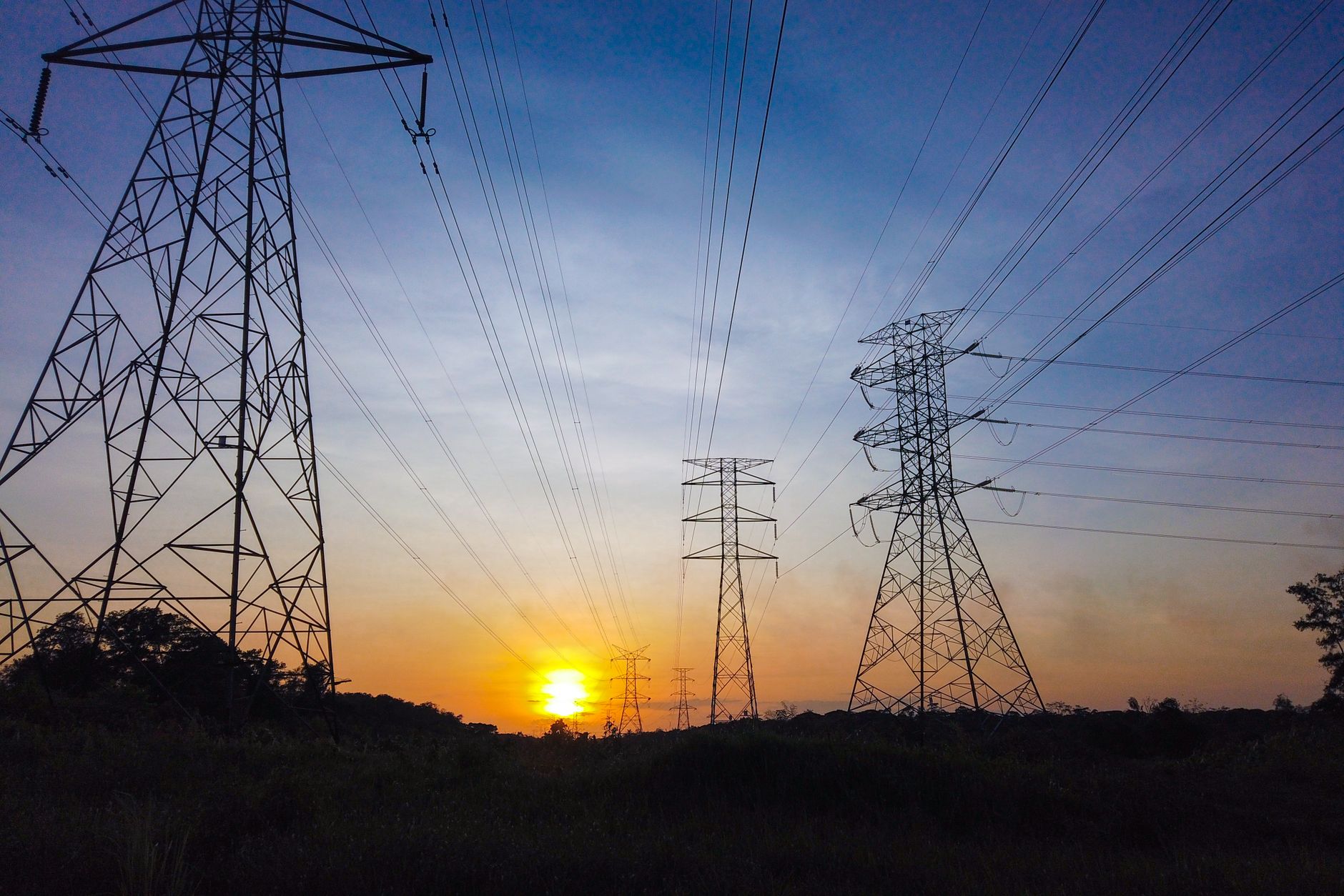
Scale Mismatch Drives Grid Rethinking
The engineering challenge isn't just building bigger turbines—it's building the backbone to move their power. Modern offshore blades stretch beyond 115 meters, making these machines capable of commanding vast energy resources from locations far removed from demand. That decoupling between generation and load creates a transmission problem that planning models from fifteen years ago simply didn't anticipate. The grid was designed for distributed, smaller sources and a few large central plants. Now utilities and grid operators face a fundamentally different topology.
Planning Horizons Lengthening
Transmission infrastructure takes a decade or more from permitting through energization. That timeline means decisions about new corridors and backbone capacity must account for wind and solar deployment patterns that won't stabilize for years. The analysis examines how this planning mismatch affects reliability, cost, and the feasibility of deeper renewable penetration. Without parallel progress on transmission, wind resources that are economically viable and physically abundant become stranded assets from a grid perspective.
Regional Bottlenecks and Solutions
Wind-rich areas—offshore zones, plains regions, and coastal areas with consistent resource—don't always align with transmission infrastructure. Moving power over distance incurs losses and requires right-of-way acquisition, environmental review, and stakeholder navigation. The emerging approach involves both reinforcement of existing corridors and strategic deployment of new backbone lines that can handle the volume and direction of modern wind flows. Some jurisdictions are exploring innovative techniques: high-voltage DC circuits, modular transmission architecture, and coordinated planning between multiple operators.
What Changes Next
The real shift is methodological. Transmission planning is becoming load-driven rather than supply-driven—working backward from renewable resource locations and forward from demand centers to identify the physical gaps. Grid modeling now needs to incorporate weather patterns, seasonal wind variations, and the performance of massive turbines to predict actual power flows rather than theoretical capacity. This isn't purely a hardware problem; it's a planning and governance problem that requires coordination across multiple jurisdictions and asset owners. The grid that emerges will look different from its predecessors, built explicitly around distributed generation at utility scale.
Enjoyed this one?
Get the next MW Daily entry straight to your inbox.
mwdaily.energy — no spam, unsubscribe anytime