England's largest onshore wind farm plan unveiled
England announces plans for its largest onshore wind farm, marking a significant expansion of domestic wind capacity.
At a Glance
- England is planning its largest onshore wind farm to date
- The project represents a major commitment to expanding domestic wind generation
- Onshore installations remain foundational despite rapid offshore blade scaling
- Site development and grid connectivity will be critical success factors
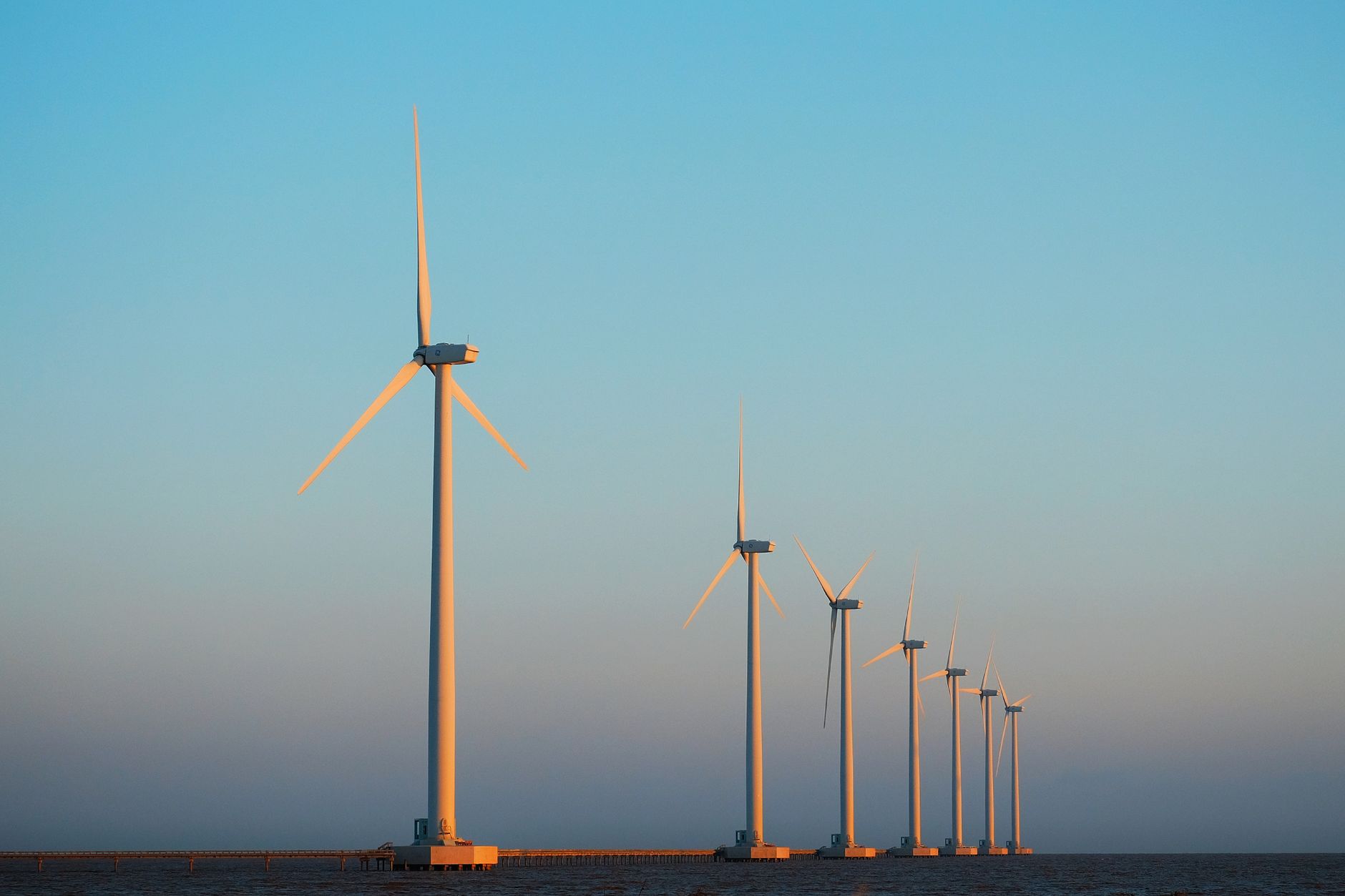
Scaling the Onshore Sector
England's plan to develop its largest onshore wind farm signals renewed momentum in terrestrial wind development. While recent headlines have been dominated by offshore expansion—where modern turbine blades now exceed 115 meters in length, making them longer than a football field—onshore projects remain the backbone of distributed wind capacity across the country. The announcement suggests policymakers recognize that meeting renewable targets requires leveraging both resource streams rather than betting exclusively on offshore economies of scale.
Onshore farms typically deploy more modular, cost-efficient equipment compared to their offshore counterparts, which must withstand marine corrosion, installation complexity, and undersea foundations. That operational simplicity has historically made onshore projects faster to permitting and commissioning, though land availability and community acceptance have always presented bottlenecks.
Planning and Grid Integration Hurdles
Bringing a project of this scale through England's planning system requires coordinating multiple stakeholders—local authorities, grid operators, environmental assessments, and often engaged communities with legitimate questions about noise, visual impact, and land use. The grid connection question is equally critical; a large onshore farm only realizes its value if transmission capacity exists to move power to demand centers. Recent grid upgrades across the UK have been specifically designed to accommodate new wind capacity, but interconnection timelines often stretch project schedules.
The site selection itself hints at strategic thinking. Developers typically target areas with strong and consistent wind resources, which in England often means moorland or elevated terrain in regions like the north and southwest. These locations can mean longer distribution routes and more complex civil works, but they're where the wind resource justifies the investment.
Competitive Landscape
This project arrives in a market where renewable energy economics have tightened considerably. Onshore wind remains one of the cheapest electricity sources available in the UK, and major corporates continue to sign power purchase agreements with wind operators. The announcement also reflects confidence that supply chains for turbines and balance-of-plant equipment remain resilient, despite global shipping and manufacturing pressures.
For engineers and operators in the field, a flagship onshore project of this scale typically becomes an industry reference point—a testing ground for new operational strategies, maintenance protocols, and grid integration techniques that filter down into smaller projects downstream.
Enjoyed this one?
Get the next MW Daily entry straight to your inbox.
mwdaily.energy — no spam, unsubscribe anytime