Vestas technology chief: ‘Supersized turbines look better in PowerPoint than in practice’
Vestas technology leader questions the practical value of ever-larger turbine designs, challenging industry momentum toward scale.
At a Glance
- Vestas's technology chief expressed skepticism about the benefits of continuously larger turbine designs.
- Modern offshore blades now exceed 115 meters in length, creating substantial engineering and logistical hurdles.
- The industry faces tension between impressive capacity figures and real-world deployment complexity.
- Oversized designs may deliver better performance on spreadsheets than at commercial scale.
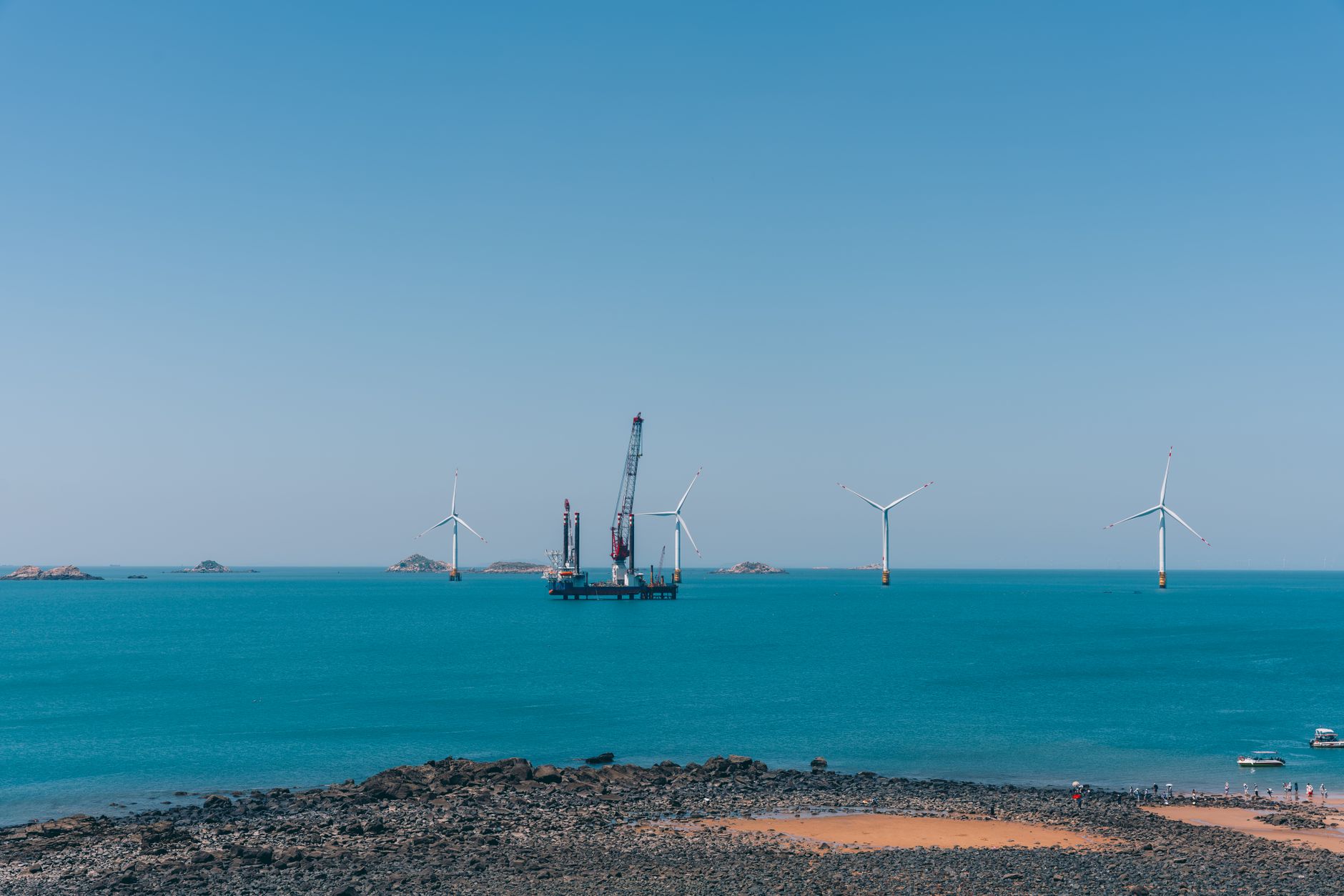
The Gap Between Specs and Site Reality
The wind industry's pursuit of ever-larger turbines has become doctrine—bigger rotors mean higher capacity factors and lower levelized costs in spreadsheet models. Yet a senior engineer at one of the sector's leading manufacturers is questioning whether this trajectory makes sense. The skepticism reflects a genuine disconnect between what engineering analyses predict and what teams actually manage to build, install, and operate profitably.
With offshore blades now stretching beyond 115 meters, these components have become genuinely difficult to transport, stage, and install. Longer blades flex differently during installation, require custom vessels, demand specialized ports, and introduce supply-chain vulnerabilities. At some point, these practical constraints erode the economic gains promised by rated capacity alone.
Where Economics Meets Physics
The fundamental appeal of supersizing is sound: a 20-megawatt turbine produces more energy than a 12-megawatt unit on the same foundation, with only modest additional structural cost per unit output. But this advantage assumes manufacturing maturity, port infrastructure, installation vessel availability, and supply networks that don't yet exist globally. Regional projects often lack the vessel capacity or weather windows needed to install the heaviest components.
Furthermore, larger machines concentrate more stress and fatigue into structural details that get less field experience. Component suppliers for novel sizes take years to enter production. Mean time between failures can suffer during the ramp phase, inflating operations costs and damaging project economics.
A Pragmatic Recalibration
This critique doesn't mean bigger turbines are inherently uneconomical—proven 12- to 15-megawatt designs are being deployed successfully. Rather, it suggests the industry may have shifted focus too far upstream, investing R&D and marketing budgets in 18-, 20-, and 25-megawatt concepts without solving the deployment constraints that matter most at 2025 project sites.
Engineer-led skepticism like this is healthy. It creates space for developers and turbine makers to ask whether the next leap in size solves a real customer problem or merely delivers a better headline. Some projects would benefit more from proven, available hardware deployed with high reliability than from speculative megawatt increments that push logistics to their breaking point.
Enjoyed this one?
Get the next MW Daily entry straight to your inbox.
mwdaily.energy — no spam, unsubscribe anytime