Why offshore wind's 'deal of the decade' was truly remarkable
A transformational offshore wind deal reshaped competitive dynamics and revealed how scale economics are reshaping project viability.
At a Glance
- A landmark offshore wind transaction demonstrated unprecedented scale in deal structure and financial innovation.
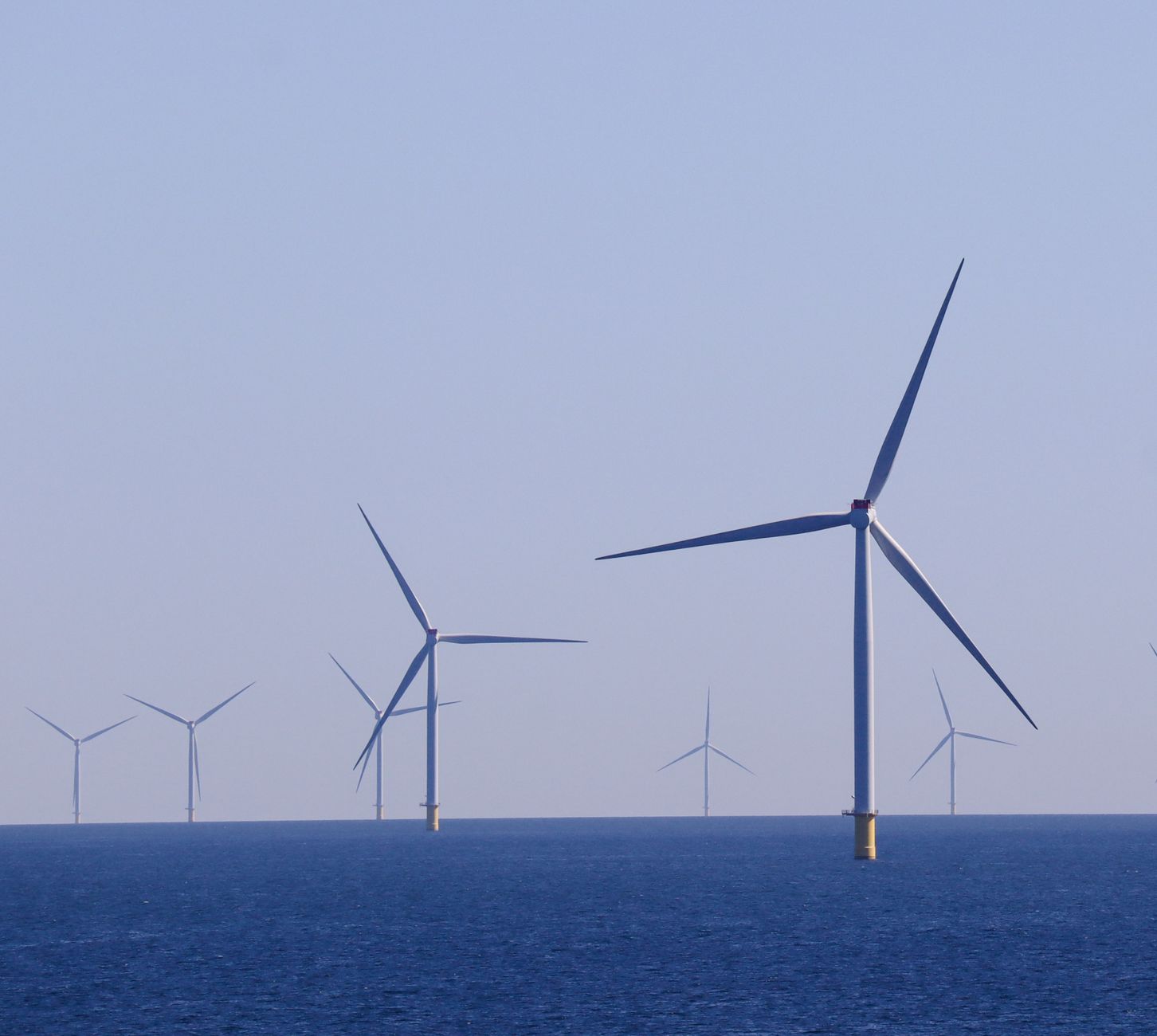
- Modern offshore turbine blades exceed 115 meters in length, enabling the capacity gains that underpin recent project economics.
- The deal's significance lies in how it repositioned cost curves and investor confidence across the sector.
Scale Unlocked New Financial Models
Offshore wind has long promised transformational returns, but the recent "deal of the decade" surfaced something deeper than headline-grabbing megawatts: a fundamental shift in how the sector finances itself. When a transaction reaches that threshold of remarking, it typically signals that participants have solved a structural problem others couldn't—whether through bankability, risk allocation, or raw scale efficiency.
Modern offshore turbine blades now exceed 115 meters in length, fundamentally altering what's economically feasible on a single foundation. This hardware reality underpins why newer projects can justify investment profiles that would have seemed marginal five years ago. Longer blades capture more wind across larger swept areas, pushing capacity factors higher and spreading capital costs over greater energy production. The engineering advances didn't arrive overnight, but they compound into visible financial inflection points.
Why Market Participants Noticed
What makes a deal worth calling "remarkable" in this space isn't just size—it's when structure, timing, and fundamentals align such that other developers and financiers immediately recognize a new playbook is viable. The offshore sector has historically fought headwinds around predictability: grid connections, supply chains, permitting timelines, and the sheer engineering complexity of working in marine environments. A transaction that reduces perceived risk or demonstrates repeatable economics becomes a benchmark.
The deals that move markets typically arrive when hard engineering progress (like blade technology) intersects with standardized contracting and clearer regulatory pathways. Developers watching such transactions learn whether their own pipelines now operate under different financing assumptions.
Implications for the Coming Cycle
When offshore wind projects begin commanding deal structures previously reserved for onshore or conventional generation, the sector is signaling maturity in how it manages execution risk and operational predictability. Larger blades mean fewer turbines per gigawatt, simpler logistics, and fewer installation campaigns. These operational reductions translate into insurance, schedule, and financing advantages.
For practitioners in the field, transactions of this scale matter less as celebration and more as recalibration. They reset what "cost-competitive" means and which projects justify capital allocation. That clarity, more than the specific deal itself, is what typically reshapes market behavior over the following two to three years.
Enjoyed this one?
Get the next MW Daily entry straight to your inbox.
mwdaily.energy — no spam, unsubscribe anytime