New RWE offshore CEO: wind turbines should be optimised, not supersized
RWE's new offshore leadership signals a shift away from gigantism toward performance refinement in wind turbine design.
At a Glance
- RWE's incoming offshore CEO is questioning the industry's push toward ever-larger turbines.
- Modern offshore blades already exceed 115 meters in length, comparable to a football field.
- The new direction emphasizes optimization of existing capabilities over scaling up dimensions.
- This represents a strategic pivot in how major developers approach future capacity growth.
The Case Against Bigger
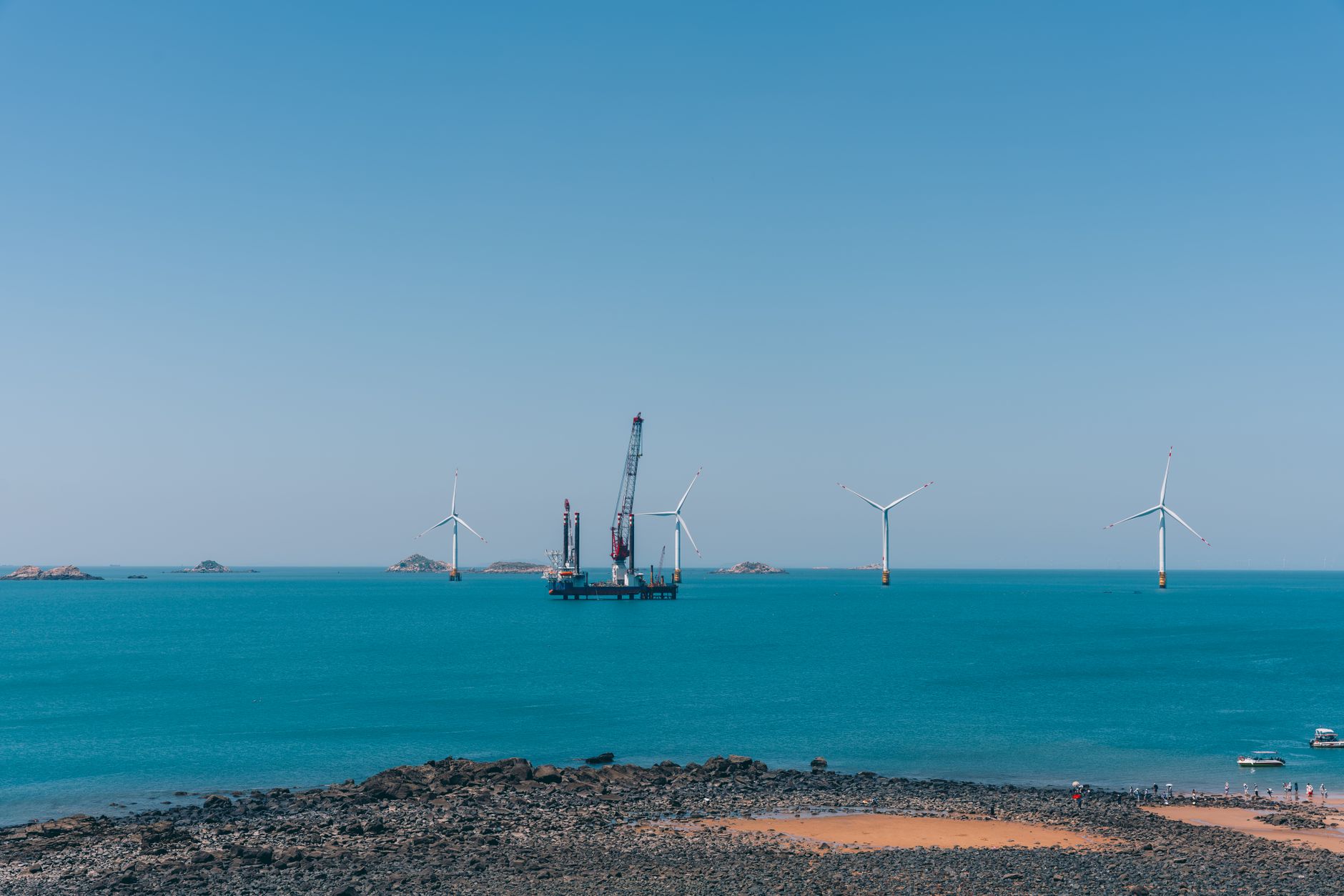
The offshore wind sector has spent the last decade chasing size. Each generation brought taller hubs, longer blades, heavier gearboxes—a relentless climb toward multi-megawatt machines that could deliver staggering annual energy production. RWE's newly appointed offshore chief is questioning whether that trajectory actually serves the industry's economic or technical interests.
With modern offshore turbine blades already stretching beyond 115 meters—a span exceeding an American football field—the physical engineering constraints are becoming real. Moving components that massive through ports, installing them from floating vessels in North Sea conditions, and managing fatigue loads over 25 years presents genuine operational challenges that don't simply scale linearly.
Where Optimization Wins
Instead of pushing further into supersizing, the argument shifts to getting more from what already exists. This means scrutinizing aerodynamic refinements, control algorithms that extract power across a wider wind speed range, and predictive maintenance strategies that keep machines running closer to their rating. A 15-megawatt turbine operating consistently at 92% availability might outperform a 20-megawatt unit cycling between 78% and 95% due to availability and grid curtailment.
Costs matter too. The per-megawatt capex curve for offshore has flattened considerably. Beyond a certain scale, manufacturers face mounting supply-chain friction, installation complexity, and site-specific grid-connection constraints that erode the cost advantage of pure size.
Strategic Implications
This repositioning suggests we're entering a phase where offshore development maturity brings harder engineering choices. The manufacturers will continue producing larger machines—that's inevitable given competitive pressure—but developer procurement strategies may increasingly favor models that optimize total power delivery per installed unit, rather than chasing nameplate ratings.
The shift also hints at geographic pragmatism. Shallower regions with existing infrastructure may benefit more from refined mid-size turbines than from frontier-scale hardware. Deeper, remote sites might still attract the megawatt-chasing approach, but the blanket assumption that bigger always means better is finally being challenged by someone with the authority to act on it.
Enjoyed this one?
Get the next MW Daily entry straight to your inbox.
mwdaily.energy — no spam, unsubscribe anytime