Why Acciona Energía is up for sale: caught in a dangerous spiral?
Acciona Energía faces divestiture pressure amid industry headwinds; what it signals about renewable energy economics
At a Glance
- Acciona Energía is being positioned for sale as the company navigates challenging market conditions
- The move reflects broader pressures facing renewable energy developers amid commodity price shifts and financing constraints
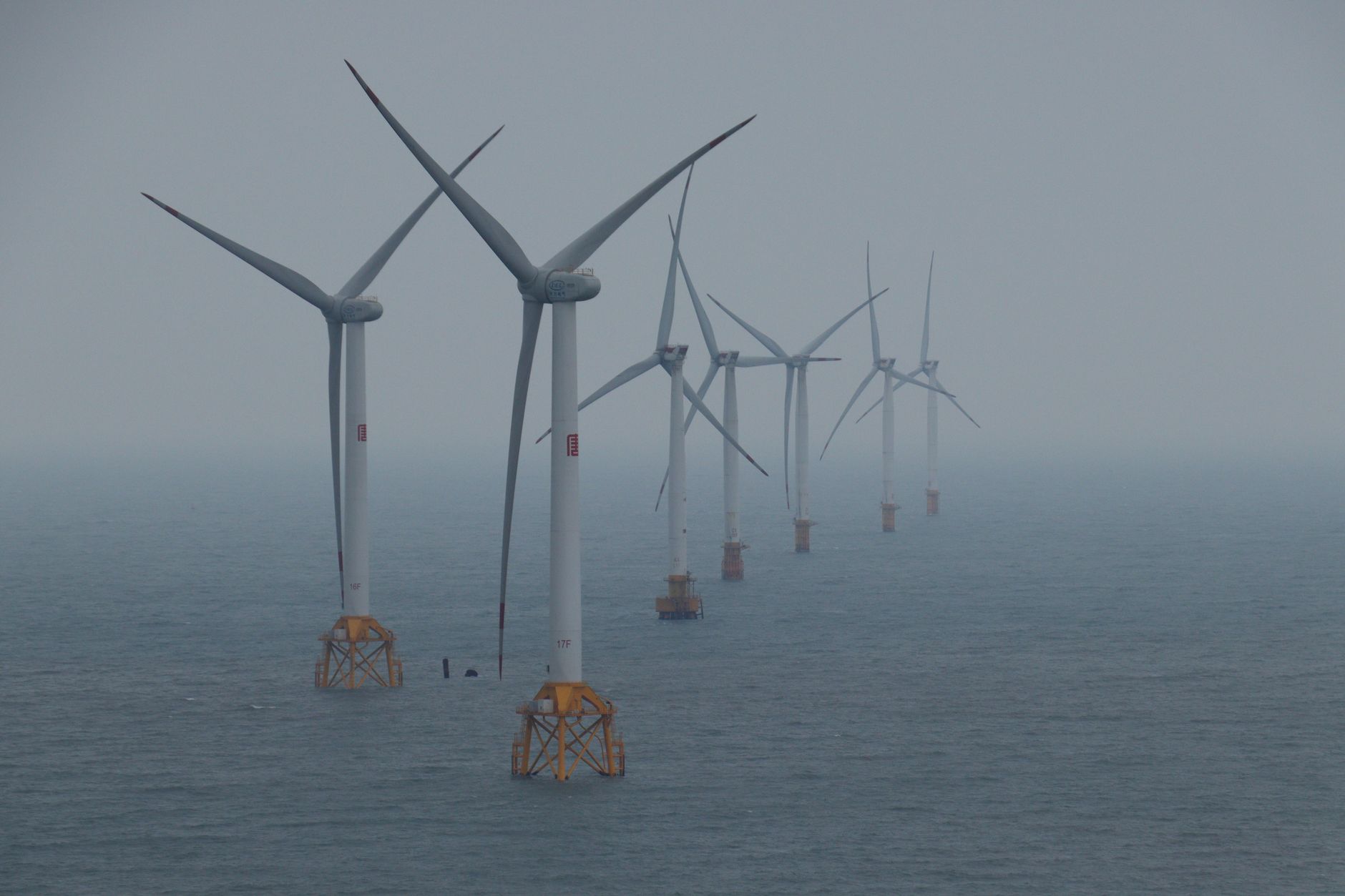
- Modern offshore wind infrastructure—with blades exceeding 115 meters—demands sustained capital and operational expertise
- Asset sales in the sector often precede strategic repositioning rather than industry withdrawal
The Economics Behind a Forced Hand
When a major renewable energy operator enters the sales process, it typically signals that near-term cash generation has become more pressing than long-term portfolio growth. Acciona Energía's situation appears rooted in this calculus—the company is caught between the capital intensity of modern wind assets and market conditions that have compressed returns. The renewable energy sector, despite its growth trajectory, remains vulnerable to energy price swings, permitting delays, and the rising cost of money.
The timing matters. Wind developers face a peculiar squeeze: they need sustained funding for projects that take years to permit and construct, yet market confidence in near-term profitability has weakened. Asset sales become a liquidity mechanism when reinvestment economics no longer justify retained earnings.
Scale Demands Staying Power
Offshore wind particularly exemplifies why financial discipline matters. Modern turbine blades now routinely exceed 115 meters in length—structures that dwarf conventional infrastructure and demand engineering rigor, supply chain stability, and the operational reserves to handle execution risk. A company managing such assets cannot simply pause when market conditions soften; the fixed costs continue, permitting obligations remain, and grid connection deadlines don't move.
This infrastructure reality means that divestiture decisions aren't reflections of technology doubt but rather of balance-sheet pressure. A well-capitalized buyer may view the same asset portfolio as attractive; Acciona's ownership constraints and cost structure apparently no longer align with the return requirements.
What This Signals Downstream
Renewable energy M&A activity has historically been highest during periods of sector stress—not collapse, but sufficient repricing that strategic repositioning becomes necessary. The presence of buyers for large-scale wind platforms suggests the market still values these assets; the question is whether buyers can extract returns that current owners cannot.
For the industry, this underscores a persistent challenge: wind and solar remain capital-intensive plays where scale, cost discipline, and access to cheap financing determine winners. Companies that entered the sector at higher valuations or with lower-cost capital may find themselves at a disadvantage if conditions have shifted. That pressure doesn't diminish the importance of the infrastructure being built—it simply redistributes who owns and operates it.
Enjoyed this one?
Get the next MW Daily entry straight to your inbox.
mwdaily.energy — no spam, unsubscribe anytime