China's Envision launches offshore wind turbine into Europe: 'duopolies aren't healthy'
Envision challenges European offshore market with new turbine entry, citing risks of technology concentration in the sector.
At a Glance
- Chinese manufacturer Envision is bringing offshore turbine technology to the European market.
- The company argues that concentrated market control by few suppliers creates structural vulnerabilities.
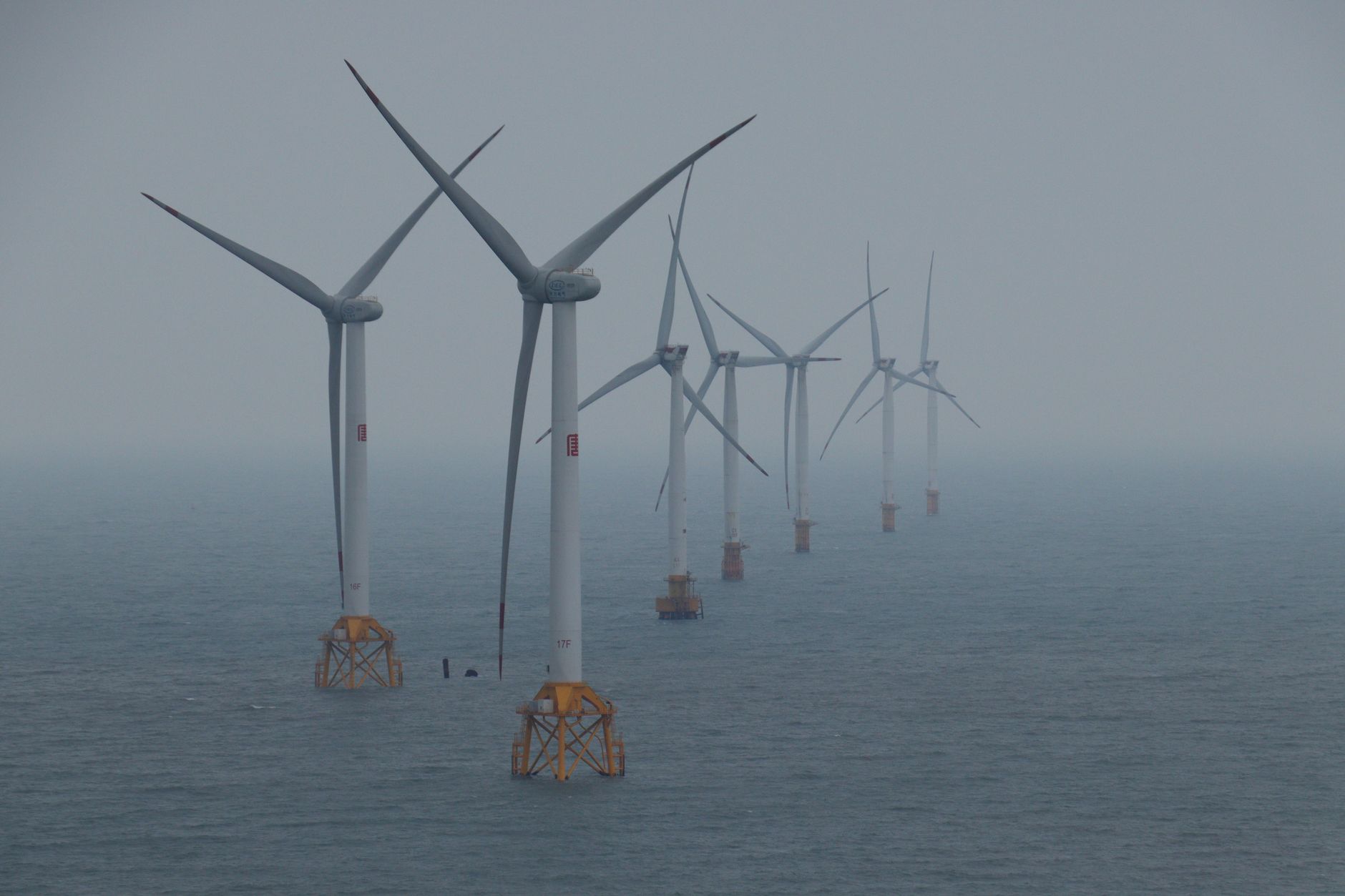
- Modern offshore blades now exceed 115 meters in length, representing significant engineering advancement.
- Competition in offshore wind deployment affects technology access and pricing across the industry.
Breaking Into a Defended Market
Envision's entry into European offshore wind deployment marks a notable shift in a sector traditionally dominated by a handful of established players. The manufacturer's positioning around market concentration reflects a real tension in the industry: when supply chains narrow to just two or three major suppliers, project developers lose negotiating leverage and face constrained technology roadmaps. A challenger entering this space isn't simply seeking market share—it's challenging the structural assumptions that have governed equipment availability and pricing for developers across the continent.
The Scale of Modern Offshore Machines
Whatever Envision's competitive claims, the offshore wind sector has undeniably matured on the engineering side. Current generation turbine blades stretch beyond 115 meters in length—a scale that would have seemed impossible a decade ago. This isn't merely a size increase; it reflects hard-won advances in materials science, fatigue analysis, and installation logistics. Larger blades mean fewer turbines per project, reduced foundation costs per megawatt, and improved capacity factors. These efficiency gains are site-specific and require deep expertise to maximize, which creates natural barriers to entry beyond manufacturing capacity alone.
Competition and Innovation Pressure
Manufacturer diversification in offshore wind has historically driven specification improvements and cost reductions. Whether Envision's entry accelerates that pattern depends on execution—manufacturing quality, supply chain resilience, and service network depth matter as much as blade length. The company's rhetoric about unhealthy duopolies resonates with project developers tired of waiting for slots in delivery queues, but actual market impact hinges on whether they can deliver both competitive machines and reliable support across European installation cycles.
What Drives the Duopoly Argument
Criticizing market concentration is strategically sound for a new entrant, yet the concern isn't purely rhetorical. Reduced supplier count does constrain innovation velocity and increase project risk when equipment availability tightens. Whether Envision becomes a sustained third option—or remains a regional player—will determine whether this competitive pressure generates lasting change or becomes a footnote to market consolidation trends.
Enjoyed this one?
Get the next MW Daily entry straight to your inbox.
mwdaily.energy — no spam, unsubscribe anytime