Grids – Electricity 2026 – Analysis
IEA analysis reveals critical grid challenges ahead as electricity demand surges and offshore wind scales up dramatically through 2026.
At a Glance
- IEA's latest electricity outlook through 2026 signals mounting grid stress as capacity additions outpace transmission infrastructure.
- Offshore wind installations are scaling rapidly, with modern blades now exceeding 115 meters in length.
- Grids will face integration challenges balancing distributed renewables, storage, and demand management.
- Network upgrades and smart grid technology deployment remain critical bottlenecks in the transition pathway.
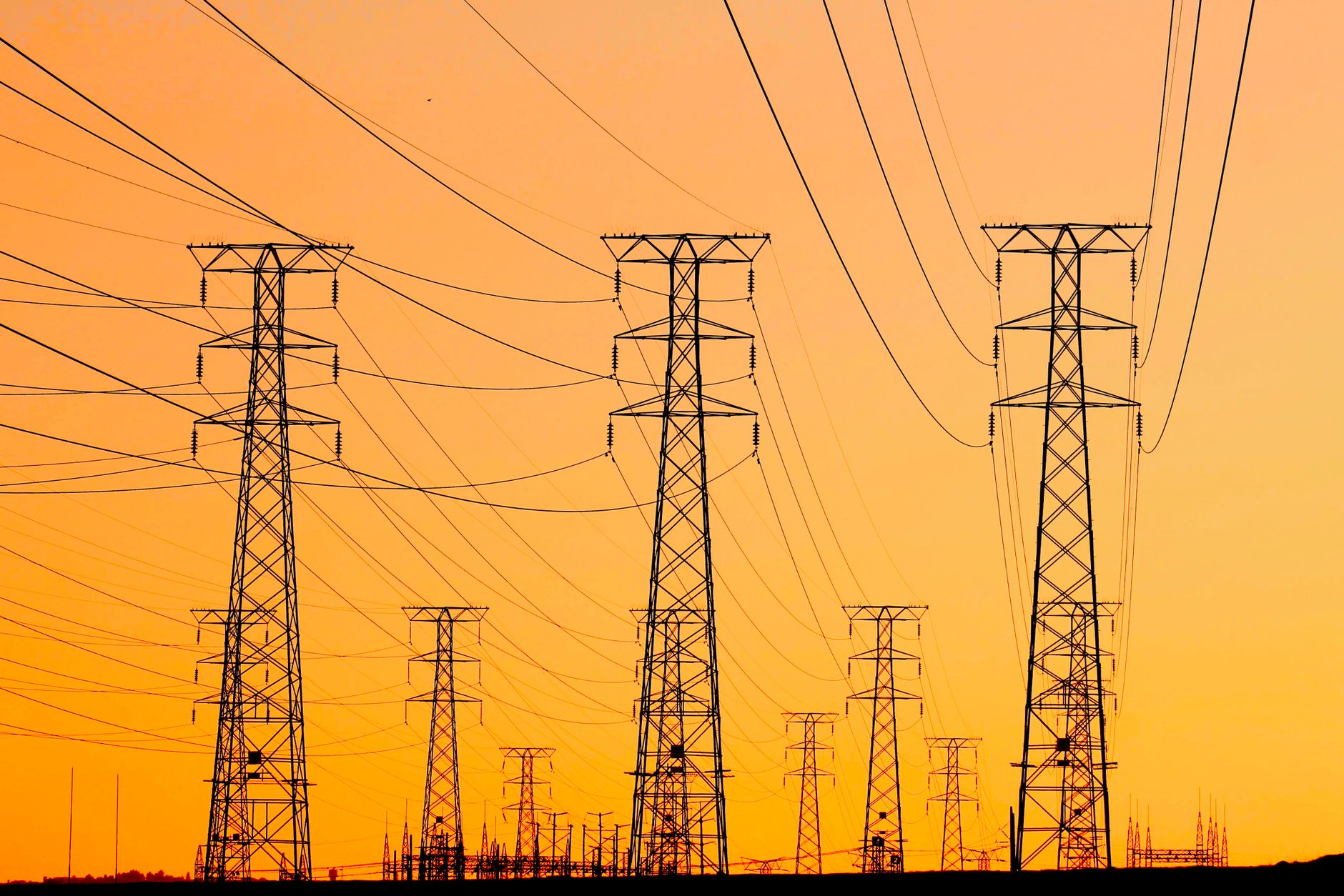
Grid Infrastructure Lags Behind Generation Growth
The International Energy Agency's analysis of electricity systems through 2026 underscores a widening gap between how fast we're building new capacity and how quickly we're upgrading the networks that move that power. Renewable generation—particularly offshore wind—is expanding at pace, but transmission and distribution systems in most regions remain constrained by aging infrastructure and permitting delays. This mismatch creates real operational risk: the ability to connect new facilities and route power efficiently becomes the limiting factor, not manufacturing capacity.
Offshore Wind's Physical Integration Challenge
Offshore installations exemplify the scaling problem. Modern turbine blades now exceed 115 meters in length, enabling single units to generate 15 megawatts or more. These installations require subsea cable networks, converter stations, and connection points to onshore grids—all coordinated across multiple jurisdictions and grid operators. The engineering challenge isn't just installing the turbines; it's designing electrical architectures that can absorb their output reliably while maintaining voltage stability and fault tolerance across the entire system.
Real-Time Demand and Flexibility Become Central
As variable renewable generation climbs, the traditional model of "build transmission to match generation" becomes economically untenable. Instead, grids must increasingly rely on demand response, battery storage, and regional balancing to absorb mismatches between wind output and load. The 2026 timeframe is tight enough that many regions cannot complete major new transmission corridors; success will depend on faster deployment of distributed storage, smart controls, and flexible loads that respond to actual grid conditions minute-to-minute.
Strategic Urgency for Network Planning
The IEA's outlook serves as a reminder that grid modernization isn't optional infrastructure work—it's the binding constraint on renewable energy deployment. Without parallel investment in smart switching, monitoring, and demand management alongside generation additions, we risk curtailment events and grid instability despite abundant clean capacity. Regional grid operators and transmission planners need explicit authority and funding to deploy these controls faster than traditional five-to-ten-year project cycles allow.
Enjoyed this one?
Get the next MW Daily entry straight to your inbox.
mwdaily.energy — no spam, unsubscribe anytime