GWEC News (6)
Global Wind Energy Council releases latest market analysis on wind sector growth and trends.
At a Glance
- GWEC has published a new market report covering the global wind sector.
- Modern offshore turbine blades exceed 115 meters in length—longer than a football field.
- The wind industry continues to expand as nations pursue renewable energy targets.
- Blade scaling represents a key driver of offshore project economics and feasibility.
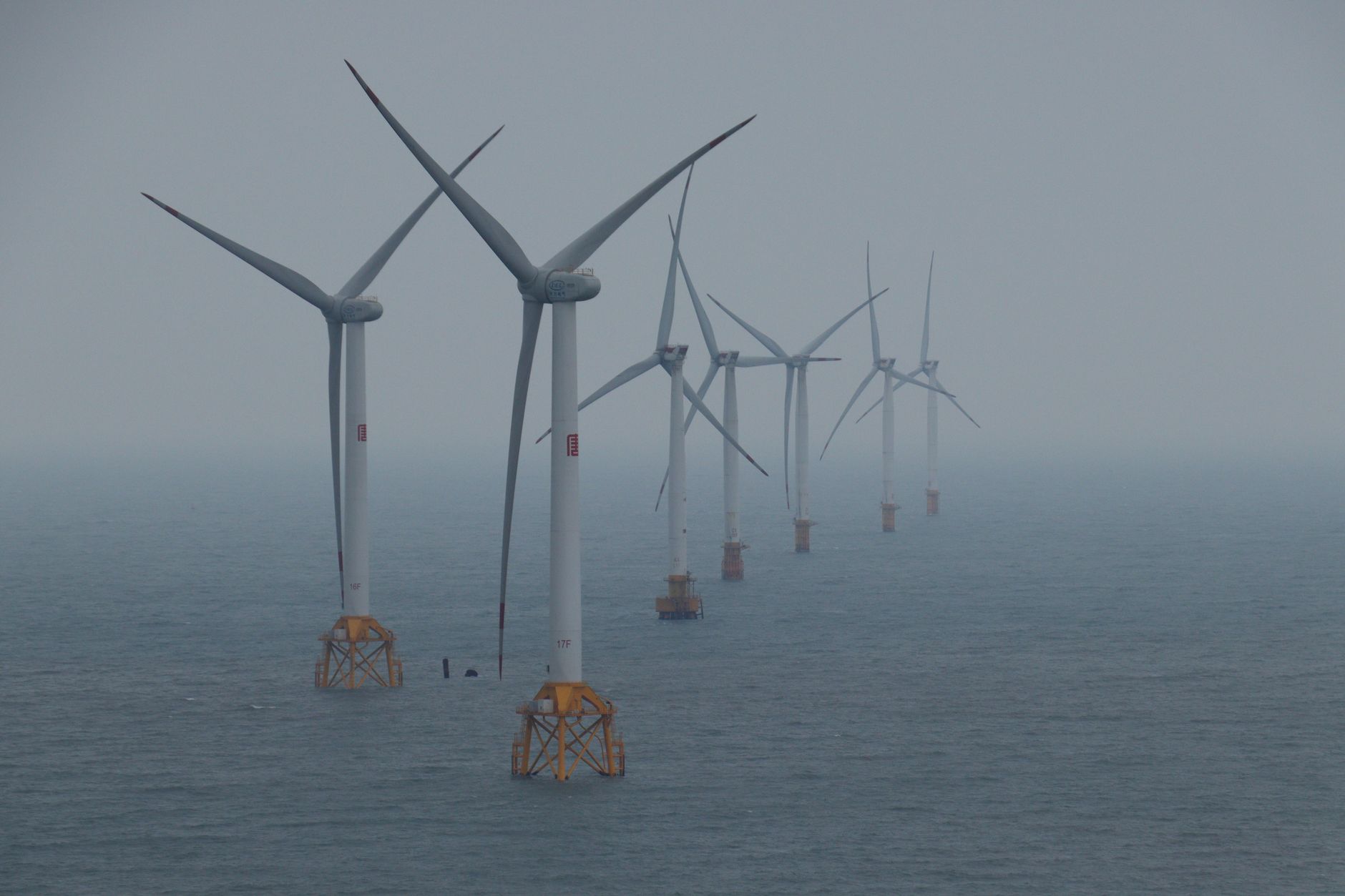
The Scale Advantage Reshaping Offshore Projects
The Global Wind Energy Council's latest dispatch underscores a sector in structural transition. While the headline itself doesn't detail specific deployment figures or regional splits, the timing of GWEC releases typically coincides with market milestones—whether capacity installations, policy shifts, or technology advancement. What's worth examining is how current blade dimensions are reshaping project viability.
Modern offshore turbine blades now routinely exceed 115 meters in length, which translates to rotor diameters pushing 230+ meters. For field engineers, this isn't abstract: it changes installation logistics, vessel requirements, foundation design, and the grid interconnection challenges at coastal sites. A blade longer than a football field requires specialized heavy-lift capabilities and weather windows measured in days, not weeks.
Economics at Scale
Why this matters beyond engineering specs: longer blades mean higher hub heights and faster winds aloft, directly improving capacity factors. That's the trade-off calculation in every offshore tender. Developers accept the installation complexity because the energy yield per megawatt installed climbs measurably. GWEC's ongoing reporting typically highlights this tension—the industry's appetite for larger machines vs. real-world constraints in supply chains, ports, and vessel availability.
The council's role as market arbiter makes these releases valuable for trend-spotting. Whether global wind deployment accelerated, slowed, or shifted regionally has enormous implications for manufacturers, EPC firms, and utilities planning their next-decade roadmap.
What's Changing in the Market
Without the full GWEC report in hand, we can note the direction: offshore wind has moved from niche to mainstream procurement in Europe, and increasingly in Asia and North America. Blade scaling is one symptom of maturation—the industry is confident enough in the technology to invest in longer manufacturing lines and bigger cranes. That confidence rests on track records from thousands of operating hours on current-generation platforms.
For professionals in the sector, GWEC releases serve as a checkpoint. They anchor conversations about whether regional targets are achievable, whether supply chains can deliver the hardware, and whether grid infrastructure is keeping pace with what's being built offshore.
Enjoyed this one?
Get the next MW Daily entry straight to your inbox.
mwdaily.energy — no spam, unsubscribe anytime