Nordic titans mount bid for Acciona Energia: report
Major Nordic energy players pursue acquisition of Spanish renewable firm Acciona Energia, signaling consolidation in European wind sector.
At a Glance
- Nordic energy companies are pursuing a bid for Acciona Energia, a major Spanish renewable player.
- The move reflects ongoing consolidation among Europe's largest wind operators seeking scale and portfolio diversification.
- Modern offshore turbines now feature blades exceeding 115 meters, requiring sophisticated supply chains and installation capabilities that larger firms can better manage.
- Cross-border asset consolidation remains a strategic response to grid integration demands and manufacturing complexity in the wind sector.
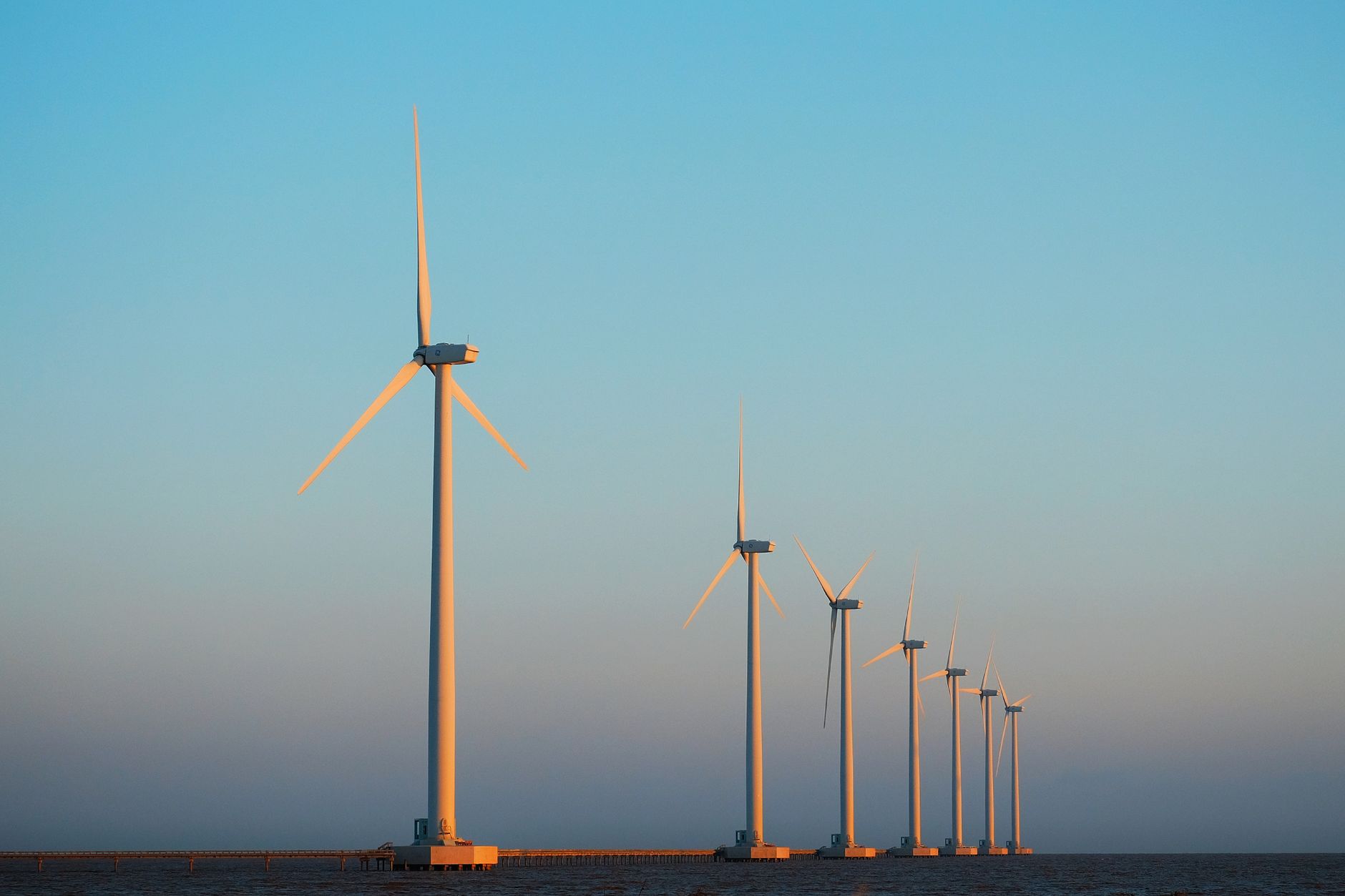
Consolidation Accelerates Across European Wind
The reported bid by Nordic energy majors for Acciona Energia underscores a pattern of large-scale consolidation reshaping Europe's wind landscape. When regional operators merge or acquire substantial renewable portfolios, they gain operational leverage across manufacturing, grid connection processes, and project financing—advantages that smaller or fragmented competitors struggle to match.
Spain has been central to European wind expansion, and Acciona Energia holds meaningful onshore and offshore assets. A Nordic acquisition would extend northern European operational footprint southward, creating a geographically diversified platform capable of meeting EU decarbonization targets across different regulatory and grid environments.
Engineering Complexity Demands Scale
The technical demands of modern wind deployment increasingly favor larger organizations. Modern offshore turbine blades now exceed 115 meters in length—a scale requiring specialized supply chains, installation vessels, and engineering talent that only well-capitalized companies can reliably procure and operate. This physical reality has become a driver of consolidation: smaller players lack the capital density needed to deploy next-generation machines competitively.
Transport, staging, and installation of such equipment involves logistical coordination across Europe that benefits from centralized procurement and project management. Larger firms negotiate better terms with specialized installation contractors and secure berths on limited numbers of heavy-lift vessels.
Financial and Strategic Positioning
These bids reflect confidence that European renewables remain attractive despite near-term margin pressure and grid interconnection bottlenecks. Acquiring mature, operating assets—rather than building greenfield projects—offers immediate cash flow and deployed capacity, a lower-risk strategy than construction pipelines alone.
Nordic balance sheets, supported by regional hydropower revenue and strong capital markets access, position these operators to fund acquisitions while maintaining investment-grade ratings. The move also signals that southern European wind assets command premium valuations, a vote of confidence in Spain's long-term generation potential.
What Consolidation Means for the Sector
If completed, such a transaction would reshape competitive dynamics in both onshore and offshore wind. Fewer, larger players typically drive standardization in supply chains and operational practices—which can accelerate cost reduction but may reduce opportunities for specialized suppliers and smaller regional developers. For grid operators and policymakers, consolidation creates deeper relationships with larger counterparties, simplifying interconnection negotiations but potentially reducing direct competition on project economics.
Enjoyed this one?
Get the next MW Daily entry straight to your inbox.
mwdaily.energy — no spam, unsubscribe anytime