Nordex urges grid action on UK wind
Nordex calls for grid modernization to unlock UK wind capacity as infrastructure constraints threaten project viability.
At a Glance
- Nordex is pushing UK authorities to prioritize grid upgrades as a prerequisite for continued wind development.
- Modern offshore turbine blades now exceed 115 meters in length, requiring robust transmission networks to deliver their output.
- Grid constraints are emerging as a limiting factor in deploying larger, more efficient turbines across British waters.
- Industry input on infrastructure is shaping policy discussions around renewable energy deployment timelines.
The Infrastructure Bottleneck
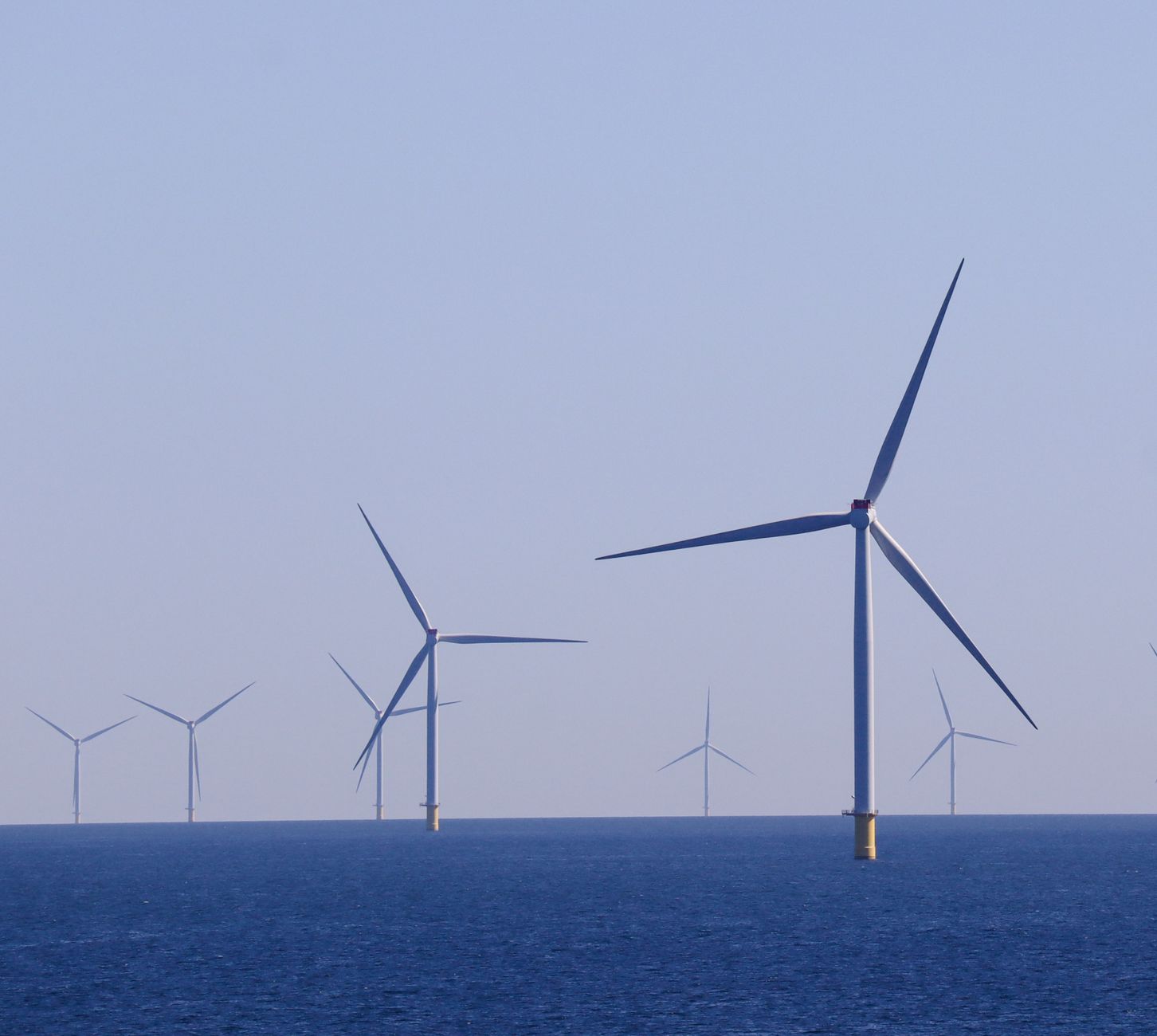
Nordex's recent push for grid action reflects a widening gap between turbine capability and transmission readiness in UK waters. While equipment manufacturers continue scaling up rotor diameters—modern offshore blades now stretch beyond 115 meters, longer than an American football field—the electrical infrastructure tasked with collecting and delivering that power hasn't kept pace. The mismatch isn't academic; it directly constrains how many megawatts can realistically be built and when projects can reach commercial operation.
What's Driving the Call
Larger turbines mean fewer units per site, lower installation costs per megawatt, and improved capacity factors in marginal wind resources. But those gains vanish if developers face years-long queues waiting for grid connections or must downrate machines to fit available export capacity. Nordex's intervention signals that Europe's leading turbine OEM sees grid modernization not as a separate policy track but as foundational to wind's growth trajectory. Without coordinated investment in transmission, the UK risks leaving vast renewable potential on the table—or watching projects migrate to markets with less constrained grids.
A Familiar Pattern Across Markets
This tension isn't unique to Britain. Grid constraints have already delayed projects in Germany, delayed interconnection across Northern Europe, and created bottlenecks in parts of North America. What distinguishes the UK situation is the scale and urgency: with net-zero targets pressing on a generation-old transmission network, the margin for missed coordination is slim. Operators must simultaneously plan turbine procurement, supply chain logistics, and grid access—and delays in the last one can unravel the whole timeline.
The Path Forward
For Nordex and the broader industry, the message is clear: hardware innovation alone won't solve decarbonization. Turbine makers can deliver machines capable of harvesting wind at unprecedented scale, but only if the systems connecting them to demand keep up. Whether UK policymakers respond with the urgency the sector expects will shape wind investment decisions for the next decade.
Enjoyed this one?
Get the next MW Daily entry straight to your inbox.
mwdaily.energy — no spam, unsubscribe anytime