Two major UK offshore wind sites win key planning consent
Two substantial UK offshore wind projects clear critical regulatory hurdles, moving closer to construction phase.
At a Glance
- Two major offshore wind sites in the UK have secured essential planning approvals.
- Modern offshore turbine blades now exceed 115 meters in length, creating engineering and logistics challenges for installation.
- Planning consent represents a critical milestone before projects can move toward financial close and construction.
Planning Milestones Signal Project Momentum
The approval of planning consent for two substantial offshore wind installations in UK waters represents a significant advancement in the development pipeline. These sites now move past one of the most protracted regulatory phases, clearing obstacles that have stalled or derailed comparable projects in recent years. The planning process for offshore wind typically involves multiple stakeholder reviews, environmental impact assessments, and coordination between marine authorities—making consent a genuine inflection point.
Scale and Installation Complexity
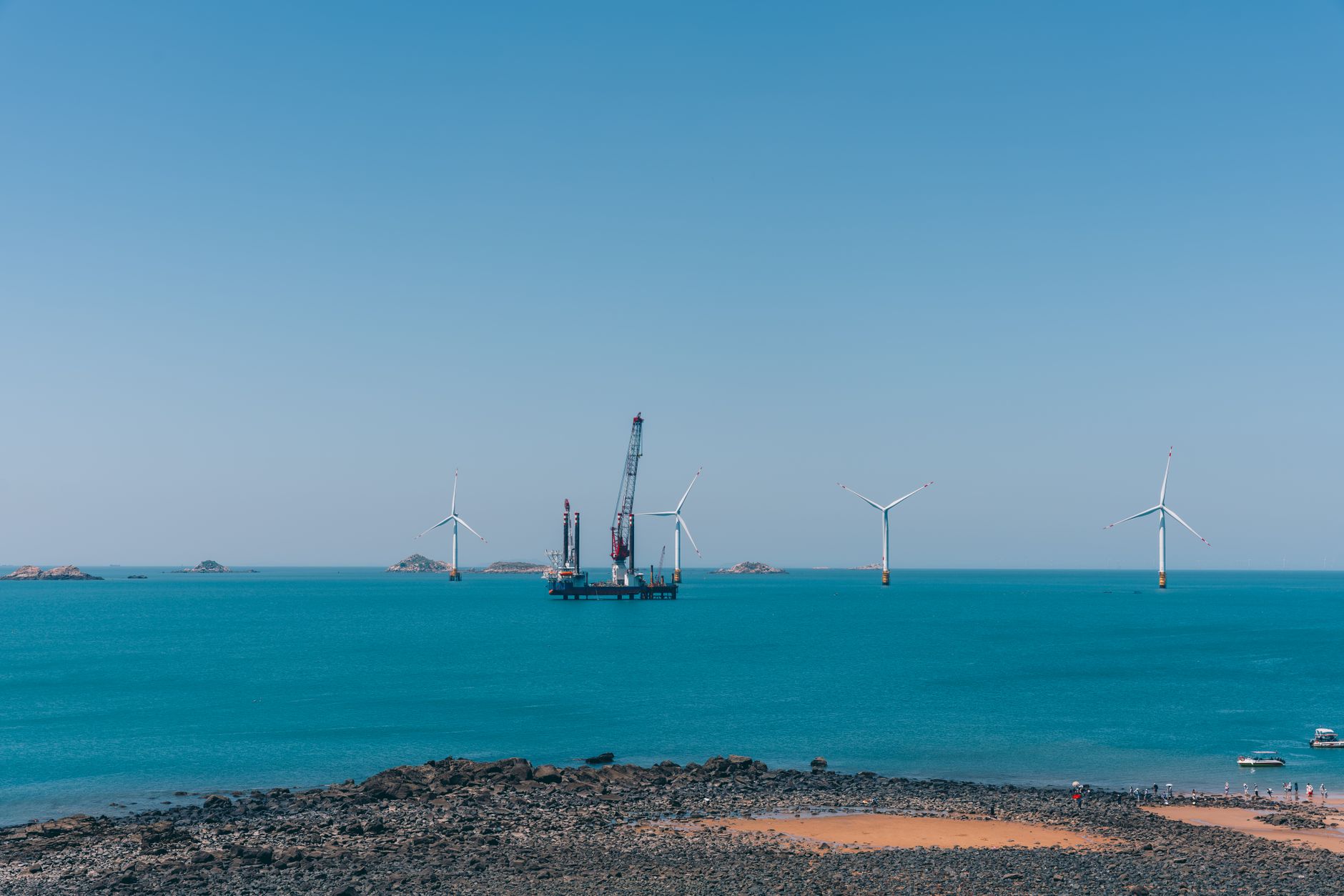
Modern offshore turbine blades now exceed 115 meters in length, which introduces tangible engineering constraints throughout the supply chain. Foundation work, vessel logistics, and installation windows must all accommodate equipment of this scale. Longer blades drive higher capacity from individual turbines, improving capacity factors and project economics—but only if developers can successfully manage the procurement and installation phases. Sites with favorable subsea conditions and accessible installation ports have distinct advantages during execution.
Path to Financial Close
Planning consent typically unlocks the pathway toward securing financing and finalizing supply chain commitments. Lenders require regulatory certainty before committing capital, and contractors need clarity on site conditions and access rights before pricing fixed-price contracts. These approvals don't guarantee projects will reach final investment decision or construction start, but they eliminate a major execution risk that many potential investors view as binary: either the project gets consent or it doesn't.
Market Context
The UK continues to be one of the few Western markets where large-scale offshore wind projects advance on predictable timelines. Supply chain capacity remains constrained globally, and installation vessel availability will likely determine execution sequencing across the broader pipeline. Projects that have secured both planning approval and favorable grid connection terms occupy a stronger competitive position for sourcing labor, materials, and marine services during the construction phase.
These two sites join a growing roster of approved developments waiting for final investment commitment. The pace at which approved projects move to active construction will signal whether the market is absorbing new capacity at sustainable rates.
Enjoyed this one?
Get the next MW Daily entry straight to your inbox.
mwdaily.energy — no spam, unsubscribe anytime