Lisa O'Doherty
GWEC's O'Doherty weighs in on challenges facing the offshore wind sector as blade scale and project complexity continue to grow.
At a Glance
- GWEC leadership is addressing structural and logistical hurdles in offshore wind deployment.
- Modern offshore turbine blades now exceed 115 meters in length, surpassing football field dimensions.
- Scale advantages in offshore wind must be balanced against manufacturing, transportation, and installation constraints.
- Industry coordination on supply chain resilience remains critical as projects grow larger and more ambitious.
The Scale Problem That Keeps Getting Bigger
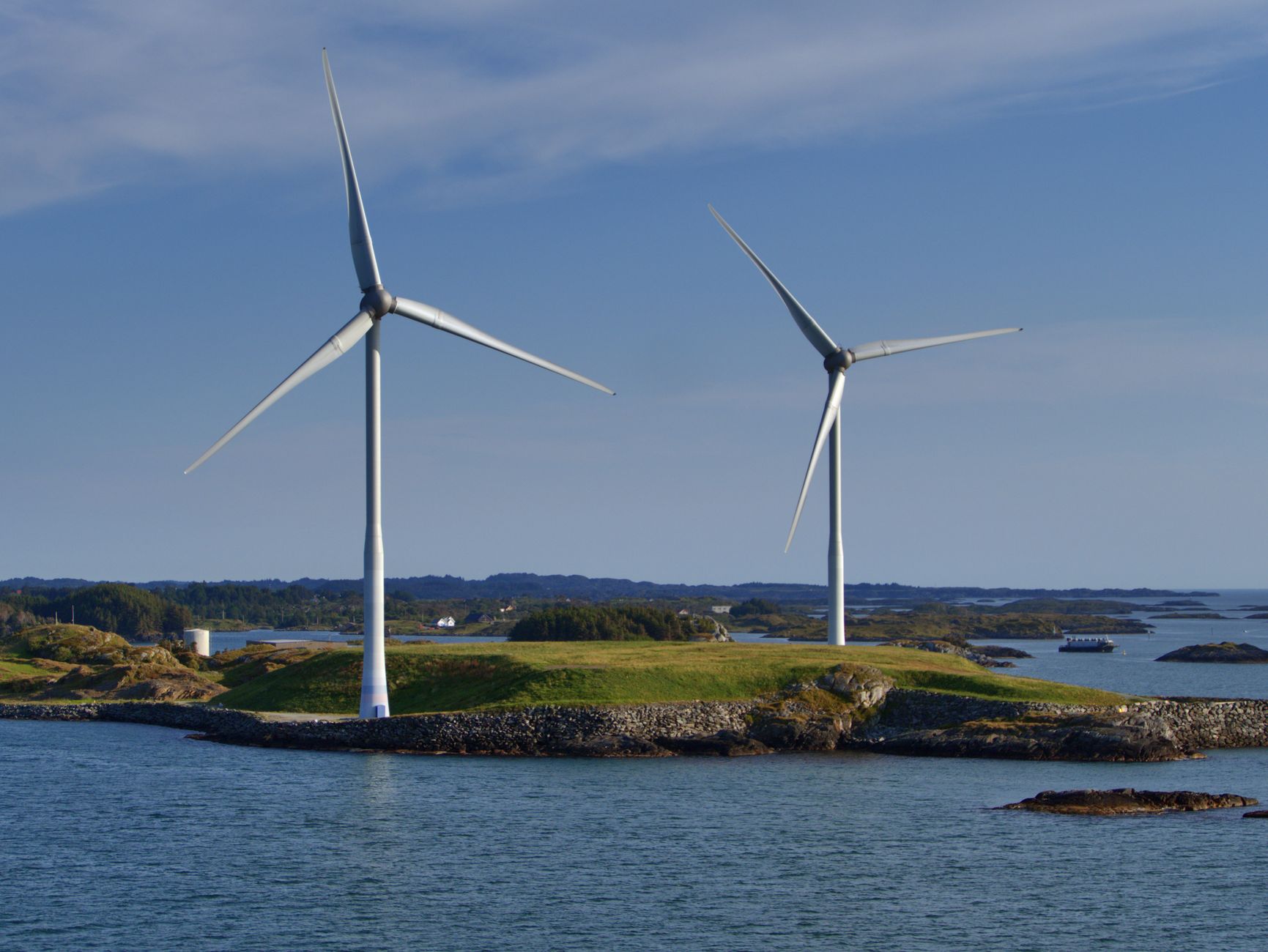
Offshore wind's fundamental appeal—massive turbines operating in high-resource areas far from populated land—creates an engineering paradox. As blade lengths surpass 115 meters, manufacturers and project developers face compounding challenges that aren't solved by simply building bigger. The Global Wind Energy Council's perspective on these obstacles matters because GWEC tracks the sector's pulse across markets where deployment decisions hinge on practical feasibility, not just theoretical capacity.
When a single blade approaches football-field length, you're no longer dealing with a manufacturing problem alone. Transportation becomes a bottleneck. Installation vessels must be sized accordingly, and port infrastructure needs to support handling equipment at scales most facilities weren't designed for. These aren't edge cases—they're now central to every major offshore project.
Where Coordination Breaks Down
Developers, manufacturers, and supply chain partners operate across fragmented markets with different standards, port capabilities, and vessel availability. A project greenlit for the North Sea faces entirely different logistics than one in Asia or off the U.S. coast. Without coordinated approaches to standardization and infrastructure planning, the industry risks repeating expensive mistakes: unavailable installation vessels, port congestion, and schedule delays that accumulate rapidly when crane availability and weather windows are finite.
GWEC's role in surfacing these systemic friction points is valuable precisely because individual companies can't solve them alone. A turbine manufacturer maximizing blade aerodynamics isn't thinking about whether Vietnamese or German ports can handle the transport. Project developers aren't coordinating with competitors to justify shared port investments.
The Path Forward Requires Honesty About Trade-Offs
Larger turbines do deliver lower per-megawatt costs, but only when the full supply chain and installation process actually works. Pushing blade length by 10 meters might improve energy capture by 2 percent—then cost eight months in schedule delays because specialized vessels are booked. That's not progress; it's optimization theater.
Industry bodies like GWEC serve a critical function by forcing these conversations into the open. The offshore wind sector's next phase of growth depends less on engineering breakthroughs and more on supply chain maturity. That requires the kind of coordination and candor that O'Doherty's leadership position can help catalyze.
Enjoyed this one?
Get the next MW Daily entry straight to your inbox.
mwdaily.energy — no spam, unsubscribe anytime