Siemens Energy and GE Vernova hammered in AI rout
Siemens Energy and GE Vernova stocks fall amid broader market pullback affecting renewable equipment makers.
At a Glance
- Siemens Energy and GE Vernova experienced significant stock declines during market volatility.
- The selloff reflects broader investor uncertainty affecting renewable energy equipment suppliers.
- Modern offshore turbine blade lengths now exceed 115 meters, adding engineering and supply chain complexity.
- Equipment manufacturers face both market pressure and scaling challenges as wind technology advances.
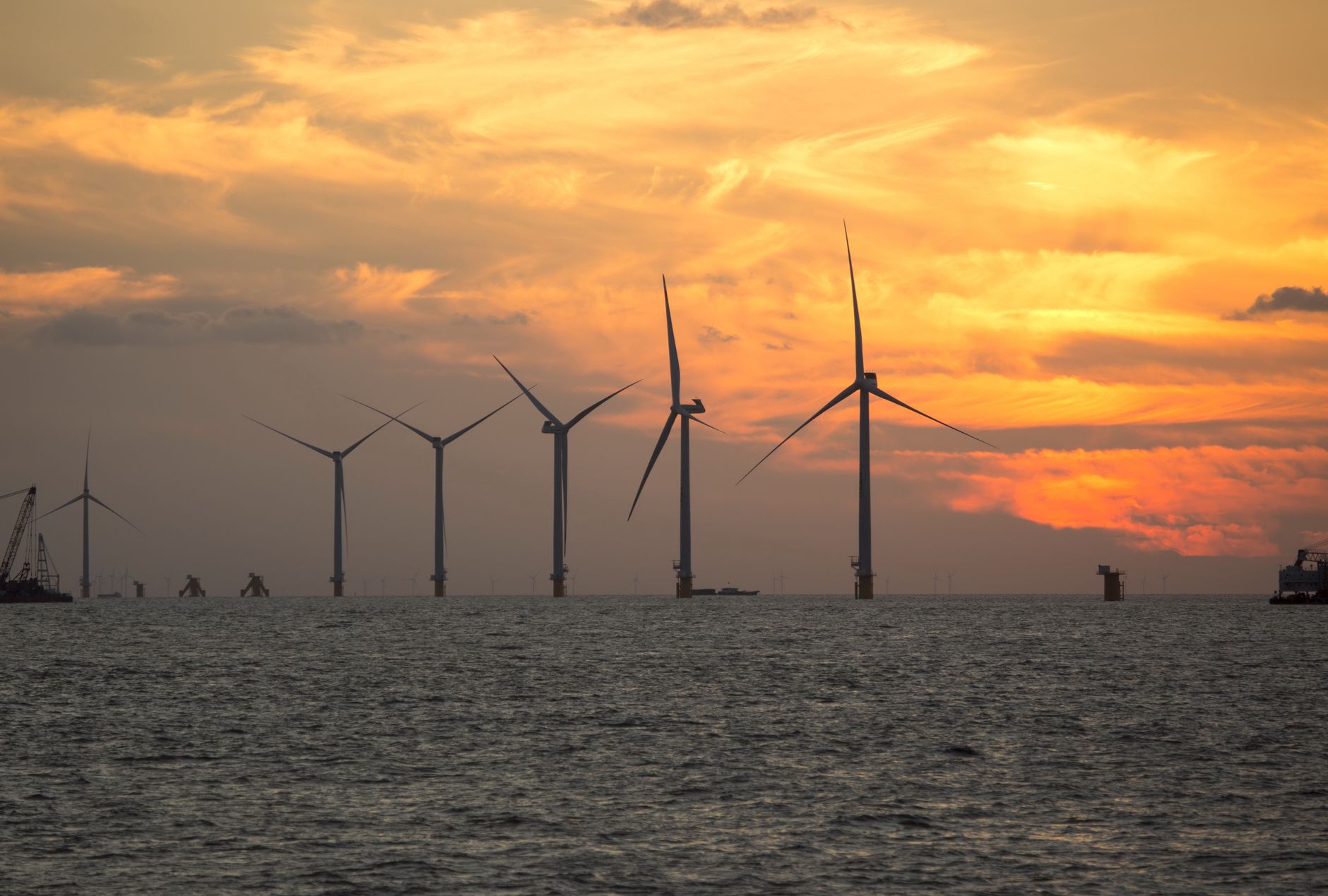
Market Pressure on Wind Equipment Giants
Wind turbine manufacturers aren't immune to sector rotations and investor sentiment swings. Siemens Energy and GE Vernova both took meaningful hits as broader market forces rippled through renewable energy stocks. For practitioners in the field, these movements matter: they reflect capital availability, supply chain confidence, and investor appetite for hardware-heavy businesses.
The timing intersects with real operational challenges. As turbines scale upward—modern offshore blades now exceed 115 meters in length—the engineering, logistics, and manufacturing demands intensify. Longer blades require specialized transportation, installation vessels, and fabrication facilities. Supply chains grow more intricate. These capital-intensive requirements make equipment makers vulnerable when investor confidence wavers.
Scale and Supply Chain Realities
The structural shift toward larger machines compounds the market pressure. A blade that exceeds 115 meters demands different port infrastructure, specialized installation vessels, and global supply coordination. Manufacturing at this scale ties up working capital and requires sustained order flows. When equity markets turn risk-off, investors scrutinize the cash conversion cycles and debt profiles of companies carrying inventory for megawatt-class equipment.
For wind professionals, the stock movements signal something deeper: questions about deployment pace, project financing, and whether the industry can maintain the volume needed to justify these massive manufacturing footprints.
What This Means for the Industry
Equipment manufacturer valuations don't exist in isolation. They reflect confidence in wind deployment pipelines, utility purchasing patterns, and the broader energy transition narrative. A sharp pullback forces legitimate questions about near-term order books and medium-term capacity utilization.
For turbine platforms and supply chains, periods like this often clarify operational realities. Manufacturers must demonstrate that the complexity and capital intensity of modern blade production—and the scaling challenges inherent in 115-meter-plus designs—translate into reliable, profitable throughput. That's engineering and business execution, not sentiment.
Enjoyed this one?
Get the next MW Daily entry straight to your inbox.
mwdaily.energy — no spam, unsubscribe anytime