Singapore steps up participation in global offshore wind development with new partnership to catalyse project and innovation opportunities
Singapore enters global offshore wind market through strategic partnership aimed at spurring project development and technological advancement
At a Glance
- Singapore is increasing its involvement in offshore wind through a new partnership structure.
- The initiative targets both near-term project opportunities and longer-term innovation pathways.
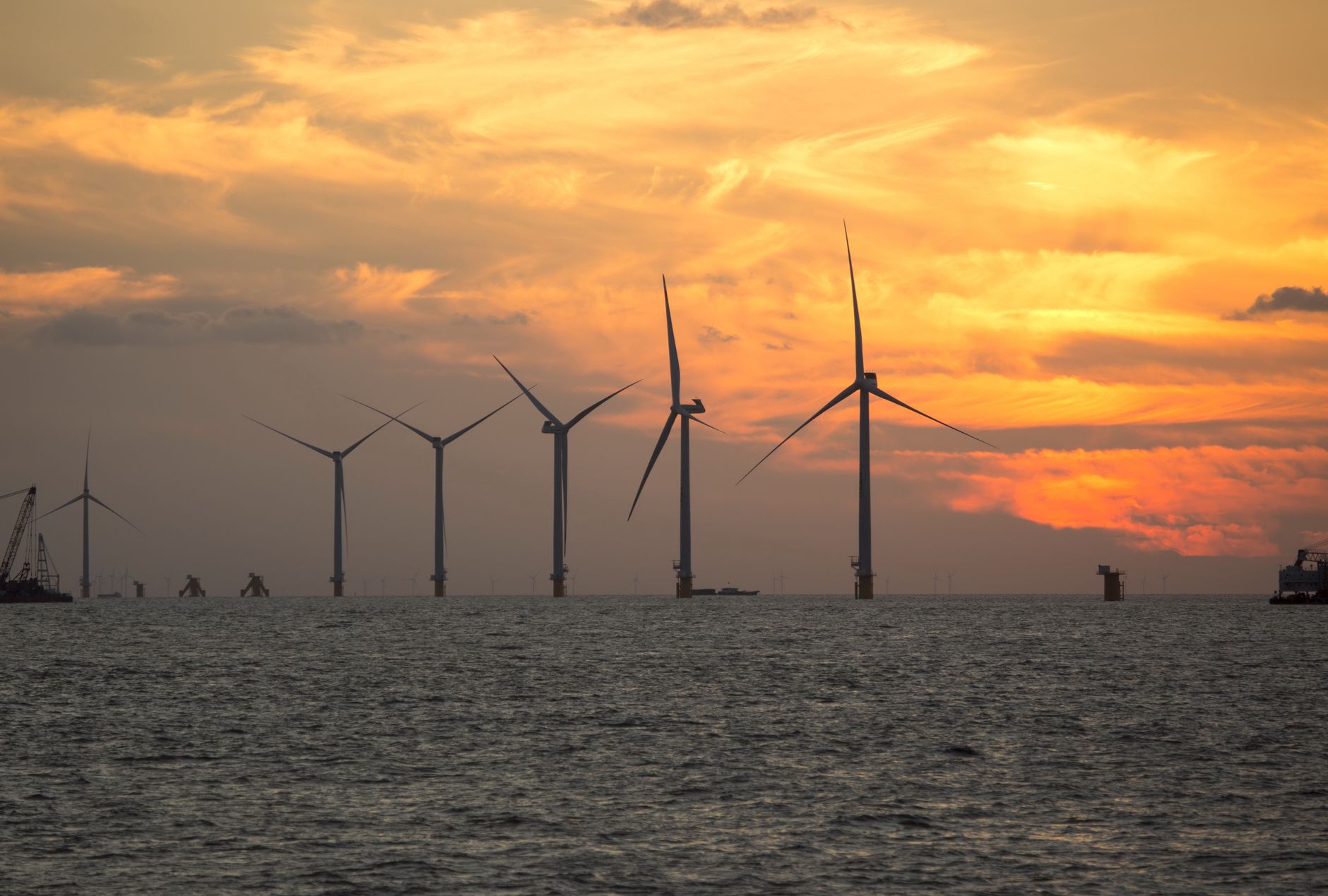
- Modern offshore turbine blades now exceed 115 meters in length, enabling deeper-water installations and higher energy capture.
- Singapore's participation signals growing regional appetite for decarbonization in Southeast Asia's energy portfolio.
Strategic Positioning in a Growing Sector
Singapore's move into organized offshore wind development represents a meaningful pivot for a nation with limited onshore wind resources but significant maritime geography. The partnership framework indicates the city-state recognizes offshore wind as essential infrastructure for meeting future energy demand while reducing carbon intensity. For a region historically dependent on natural gas and coal-fired generation, this step carries weight beyond Singapore's borders—it signals to neighboring markets that offshore development is becoming operationally and financially viable in tropical and subtropical waters.
Technical Enablers and Scale Implications
The modern offshore turbine blade—now routinely exceeding 115 meters—has fundamentally altered project economics in shallow-to-moderate water depths. These extended rotor diameters capture significantly more wind resource at hub height, allowing developers to site turbines farther offshore where wind regimes are steadier and conflicts with coastal activities diminish. For Singapore and the broader Southeast Asian context, this technology maturity removes a key barrier that once made regional offshore wind marginal compared to imported liquefied natural gas.
Project Pipeline and Innovation Alignment
The partnership's dual focus—catalyzing near-term projects while fostering innovation—reflects industry maturity. Early projects serve as learning laboratories and de-risk supply chains and installation methodologies for local waters. Simultaneously, innovation workstreams can address region-specific challenges: tropical cyclone resilience, monsoon wind patterns, marine ecosystem integration, and workforce development. This parallel-track approach is increasingly standard in emerging offshore markets.
Regional Implications
Singapore's entry accelerates a pattern across Asia-Pacific. Malaysia, Vietnam, and South Korea have all accelerated offshore procurement or policy frameworks in recent years. Singapore's established regulatory infrastructure and capital access could attract international developers and investors seeking proven governance models. The partnership likely includes technology transfer and local content requirements—critical for building indigenous offshore capabilities that don't currently exist at scale in the region.
Enjoyed this one?
Get the next MW Daily entry straight to your inbox.
mwdaily.energy — no spam, unsubscribe anytime