Power list: 10 people driving energy storage globally
Ten industry leaders shape global energy storage strategy amid rising demand for grid stability and renewable integration.
At a Glance
- Energy storage leadership spans utilities, technology developers, and policy advocates across multiple continents.
- Grid-scale battery deployment and long-duration storage technologies are becoming central to renewable grid integration.
- Storage leaders are navigating the intersection of hardware innovation, regulatory frameworks, and financing constraints.
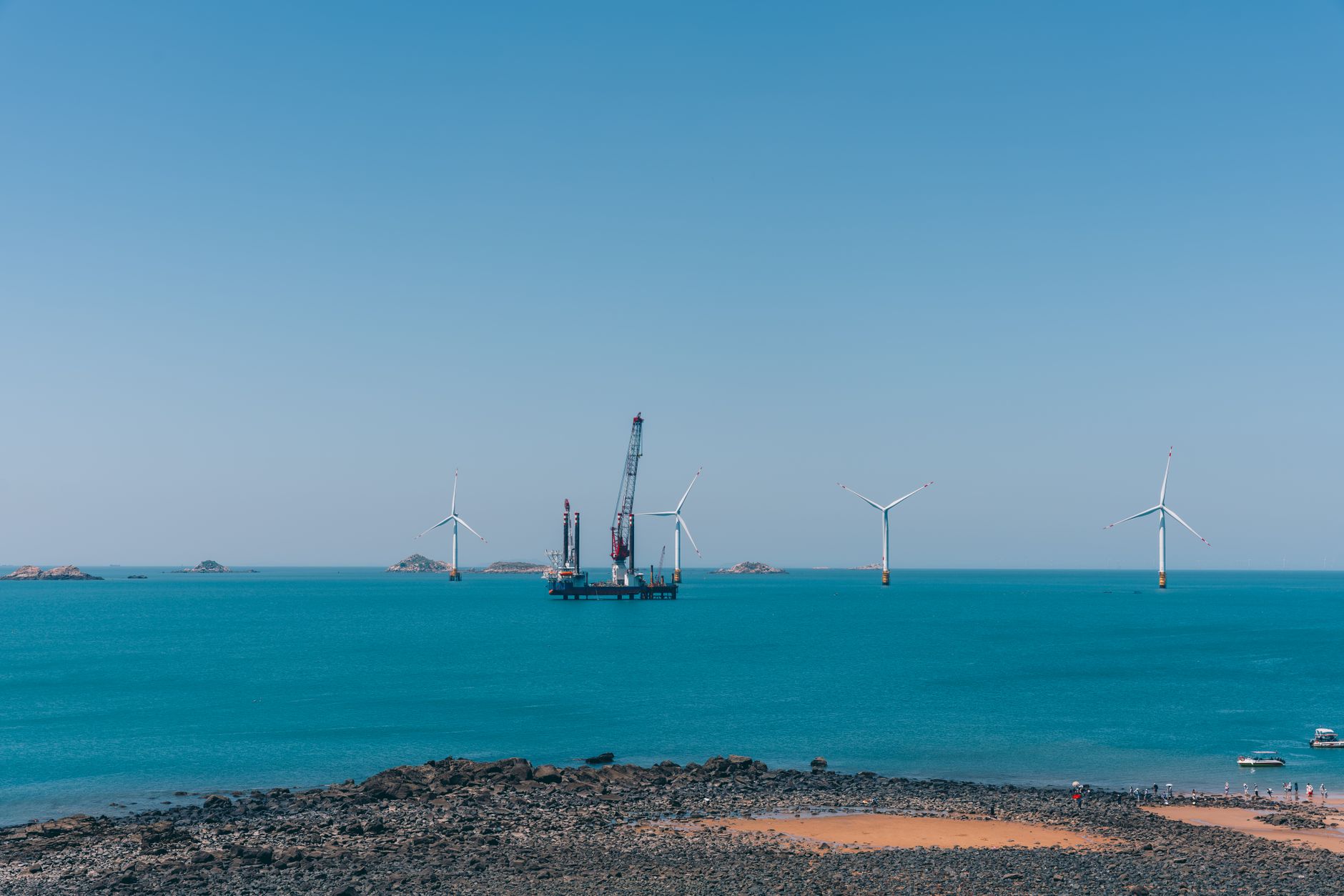
- Modern offshore turbine blades exceeding 115 meters demonstrate the scale challenges wind-storage systems must now address together.
Who's Shaping the Storage Agenda
When Recharge identifies ten people driving energy storage globally, you're looking at the intersection of hardware development, project execution, and policy work. These aren't theoretical voices—they're the ones making funding calls, engineering decisions, and regulatory arguments that shape what gets built. Storage has moved from niche to mainstream precisely because these practitioners understood the timing: renewables saturated the grid without it, and now every significant wind or solar project has a storage conversation embedded in it.
Why Storage Leadership Matters Now
The energy storage space has matured enough that leadership isn't just about new chemistry or novel discharge durations. It's about systemwide thinking—how a 4-hour lithium battery stacks differently than an 8-hour flow battery; whether a project needs seasonal storage or sub-hour frequency response; how regulatory frameworks either accelerate or hobble deployment. Leaders in this space spend as much time in boardrooms and policy meetings as they do reviewing technical specs. The complexity has tripled in five years.
Storage and Renewables: An Integrated Challenge
Wind farms, especially offshore installations with blades exceeding 115 meters, generate power at scales that create immediate grid management demands. The offshore sector has accelerated the storage conversation because floating these enormous turbines offshore means longer transmission distances, more grid integration complexity, and higher stakes for curtailment costs. Storage isn't an add-on anymore—it's a co-investment with generation capacity itself. Leaders understand this coupling and design projects accordingly.
The Next Phase
What separates the ten people on this list from capable engineers is their ability to move strategy faster than markets reward caution. They're shepherding emerging technologies toward bankability, navigating permitting systems that weren't designed for storage, and building supply chains that barely existed three years ago. The people driving storage globally aren't the ones publishing papers about hypothetical systems—they're the ones explaining to CFOs why a storage project makes economic sense when the regulatory framework is still shifting month to month.
Enjoyed this one?
Get the next MW Daily entry straight to your inbox.
mwdaily.energy — no spam, unsubscribe anytime