Orsted gets commission backing in UK wind farm tax case
Orsted receives regulatory support in dispute over UK wind farm taxation, signaling potential shift in how governments treat renewable energy assets.
At a Glance
- Orsted has gained backing from a regulatory commission in a UK wind farm tax dispute.
- The case centers on how tax authorities treat offshore wind infrastructure and asset valuation.
- Commission support suggests potential momentum toward more favorable treatment for renewable energy operators.
- Offshore turbine blades now exceed 115 meters, making them engineering-intensive assets with complex valuation implications.
What's at stake in this dispute
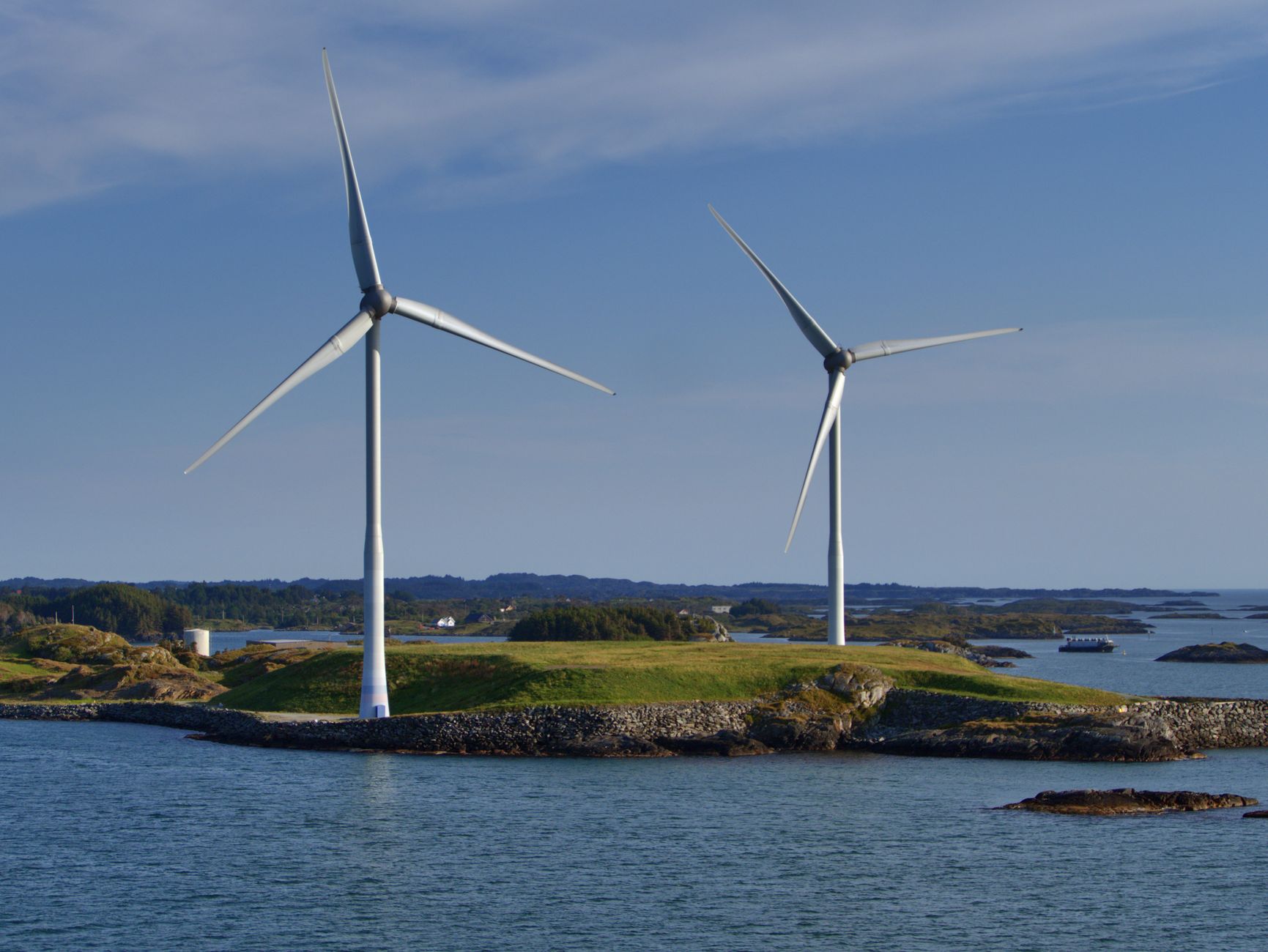
Orsted's win with regulatory backing represents more than a single company's tax argument—it touches on how governments structure the financial framework around large capital projects in renewable energy. When tax authorities assess an offshore wind farm, they're evaluating complex assets: foundations, subsea cables, substations, and increasingly massive turbine structures. Modern offshore blades now exceed 115 meters in length, making them engineering undertakings on par with traditional infrastructure. How these assets are valued for tax purposes directly affects project economics and investment decisions.
Why commission support matters
Regulatory commissions typically don't weigh in on tax matters lightly. Their backing suggests the position Orsted is advancing—whether about depreciation schedules, asset classification, or valuation methodology—aligns with broader policy or technical considerations. In renewable energy, where supply chains and manufacturing standards are still evolving, how authorities treat capital costs influences whether projects remain financially viable. A commission endorsement can signal that the interpretation being challenged may not reflect the realities of modern offshore wind infrastructure.
Broader implications for the sector
Other operators watching this case have practical reasons to pay attention. Tax treatment becomes part of the investment thesis for any major offshore project. If valuations or depreciation schedules are determined in ways that don't account for the engineering complexity and replacement cycles of modern turbines, it distorts the true economics of energy transition infrastructure. This matters when securing project finance or evaluating long-term returns.
The outcome could set precedent for how UK authorities—and by extension, other markets—approach taxation of renewable energy assets. Given the scale of capital required to scale offshore wind, getting this framework right encourages rather than discourages continued investment in grid decarbonization. Commission backing suggests at least one authoritative body sees merit in reconsidering how wind farms are taxed.
Enjoyed this one?
Get the next MW Daily entry straight to your inbox.
mwdaily.energy — no spam, unsubscribe anytime