A moment that changed Vestas and more from a decade in wind
Vestas reflects on a transformative decade reshaping the wind industry and the company's trajectory.
At a Glance
- Vestas marks a significant period of change that affected the broader wind sector.
- Modern offshore turbine blades now exceed 115 meters in length, fundamentally altering design and installation approaches.
- The past decade saw technological leaps that redefined what's possible in wind energy production.
Scale and Ambition Redefined
The wind industry doesn't move slowly, but the shifts of the past ten years have been profound enough to warrant reflection. Vestas, as one of the sector's largest turbine manufacturers, has been at the center of changes that touched every corner of the field—from supply chains to grid integration strategies. What began as incremental engineering improvements evolved into fundamental rethinking of how offshore wind should be built.
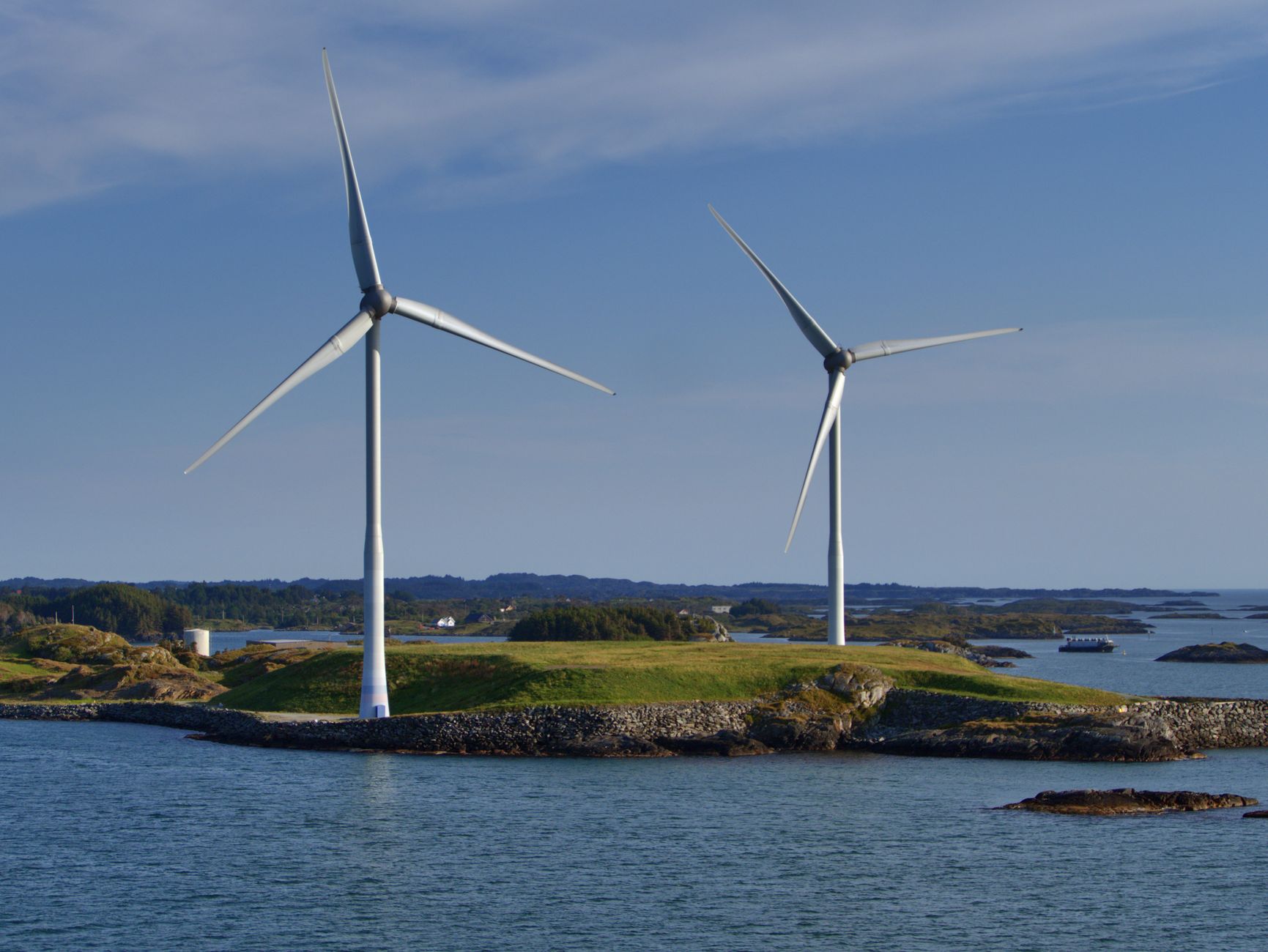
The numbers speak to this transformation. Modern offshore turbine blades now exceed 115 meters in length, longer than a football field. That's not merely a size increase; it's a material and logistical constraint that forced the industry to reconsider manufacturing, transportation, installation vessels, and foundation design. Larger blades mean higher energy capture per unit, but they demanded new thinking about transport corridors, port infrastructure, and specialized installation equipment.
What Changed Beyond Hardware
Technology alone doesn't drive a decade-long shift. Market conditions, policy support, and competitive pressure created an environment where companies like Vestas had to innovate or lose ground. Offshore became less exotic and more routine. Supply chains matured. Competition from new entrants and regional manufacturers intensified. The cost trajectory of offshore wind changed the conversation from whether these projects could happen to how quickly and efficiently they could be delivered.
For engineering teams, this meant iterating faster. Platform standardization replaced one-off designs. Materials science advanced alongside blade aerodynamics. Control systems became smarter. The human and organizational dimensions mattered as much as the technical ones.
A Shifting Industry Horizon
Reflecting on a decade isn't nostalgia in the wind sector—it's reconnaissance. The fundamentals that enabled growth ten years ago (larger turbines, better sites, supportive policy) remain valid, but they're now baseline expectations. The next phase will be shaped by grid integration challenges, offshore supply chain regionalization, and the integration of floating platforms at scale. Vestas and its peers are already positioning for those next problems, not celebrating the ones they've already solved.
For practitioners in the field, that decade mattered because it proved the trajectory toward scale and efficiency could sustain itself. The question now is whether the pace continues.
Enjoyed this one?
Get the next MW Daily entry straight to your inbox.
mwdaily.energy — no spam, unsubscribe anytime