Wind Power 40 Under 40 | Jonas Pagh Jensen, Siemens Gamesa
Siemens Gamesa's Jonas Pagh Jensen recognized among wind industry's rising talent, as offshore blade engineering reaches unprecedented scale.
At a Glance
- Jonas Pagh Jensen of Siemens Gamesa selected for Wind Power 40 Under 40 recognition.
- Modern offshore turbine blades now exceed 115 meters in length, surpassing football field dimensions.
- Next-generation blade development requires specialized expertise in materials science and structural dynamics.
Scaling Expertise in an Era of Mega-Turbines
The wind industry's talent pipeline matters more than ever as offshore systems push toward industrial extremes. Recognition programs like Wind Power 40 Under 40 highlight engineers and leaders who are navigating the technical and operational challenges of modern deployment. Jonas Pagh Jensen's selection underscores how specialized knowledge—particularly in areas like blade design, materials integration, and supply chain coordination—has become central to competing at scale.
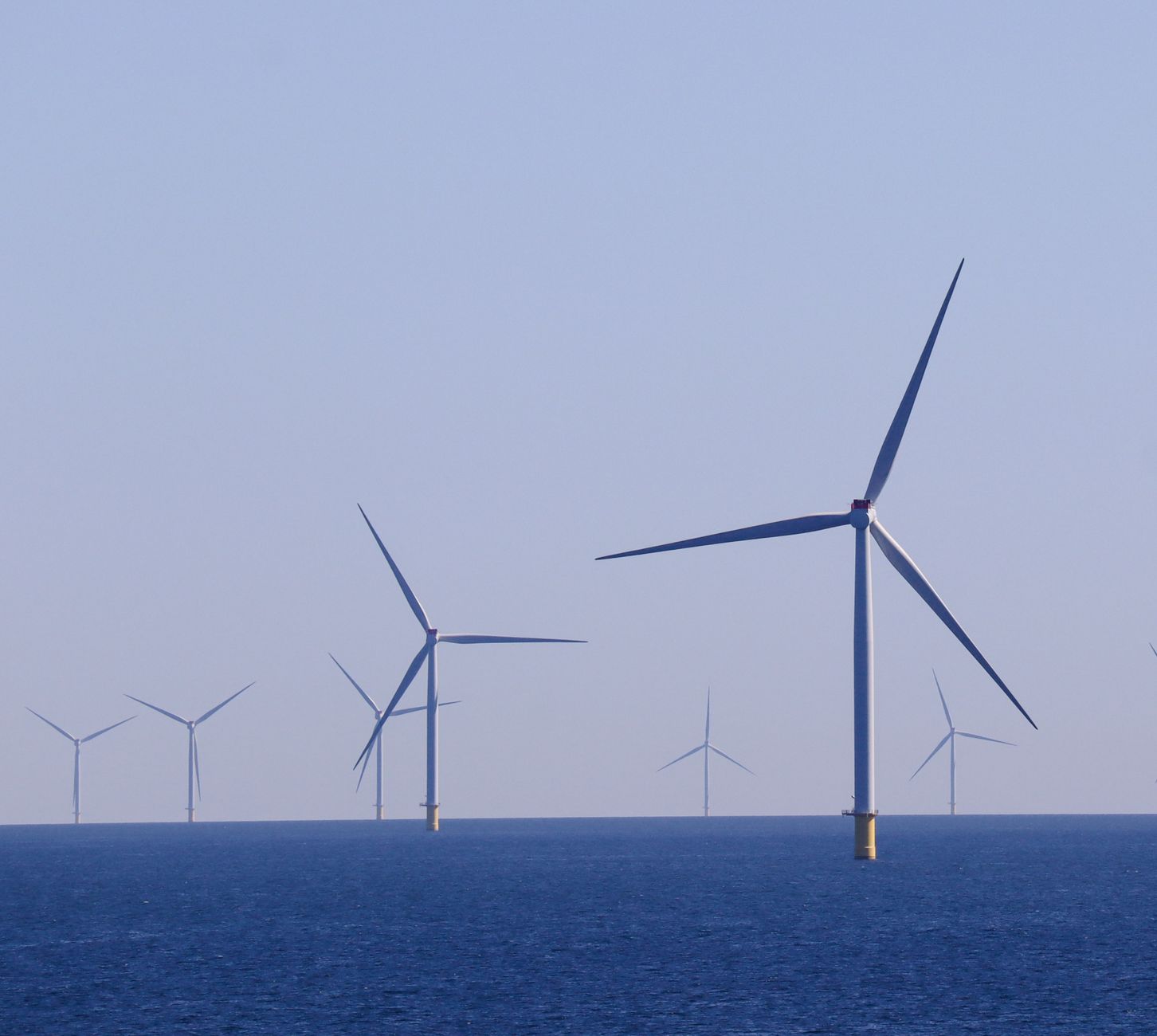
At Siemens Gamesa, those challenges are concrete. The company operates in a market where offshore blades now exceed 115 meters, dimensional stretches that fundamentally alter the engineering problem set. Longer blades demand advances in composite materials, fatigue modeling, transportation logistics, and installation procedures. The physics of deflection, resonance, and load distribution at this scale require engineers who understand both traditional mechanics and emerging modeling techniques.
Why Recognition Matters Now
As the industry matures, retaining and developing talent in technical roles becomes competitive pressure. Rising engineers who can bridge design, manufacturing, and field deployment bring immediate value. Jensen's recognition likely reflects contributions in one or more of these areas—possibly in advancing blade architecture, optimizing for cost and performance, or solving supply-chain constraints that have slowed offshore deployment across Europe and beyond.
The next decade will see continued pressure to increase rotor size, improve capacity factors, and reduce balance-of-system costs. That evolution depends on engineers in their 30s and 40s who can think systemically about tradeoffs between material science, aerodynamics, structural reliability, and manufacturability.
The Broader Context
Wind Power 40 Under 40 does more than celebrate individuals—it signals where the industry believes momentum and expertise are concentrated. A Siemens Gamesa representative's inclusion reflects the OEM's ongoing investment in core engineering competency, particularly as manufacturers face pressure from rising raw material costs, supply fragmentation, and the technical demands of floating offshore systems.
For practitioners reading this: if your firm isn't deliberately developing mid-career talent with hands-on technical depth, that's a vulnerability worth addressing now. The engineers solving today's gigawatt-scale challenges are the ones who'll shape the next phase of cost reduction and reliability improvement.
Enjoyed this one?
Get the next MW Daily entry straight to your inbox.
mwdaily.energy — no spam, unsubscribe anytime