Taiwan floating wind auction set for 2027
Taiwan plans floating offshore wind auction in 2027, marking next phase in deep-water deployment strategy
At a Glance
- Taiwan is scheduling a floating offshore wind auction for 2027
- Floating platforms enable turbine deployment in deeper waters beyond fixed-foundation limits
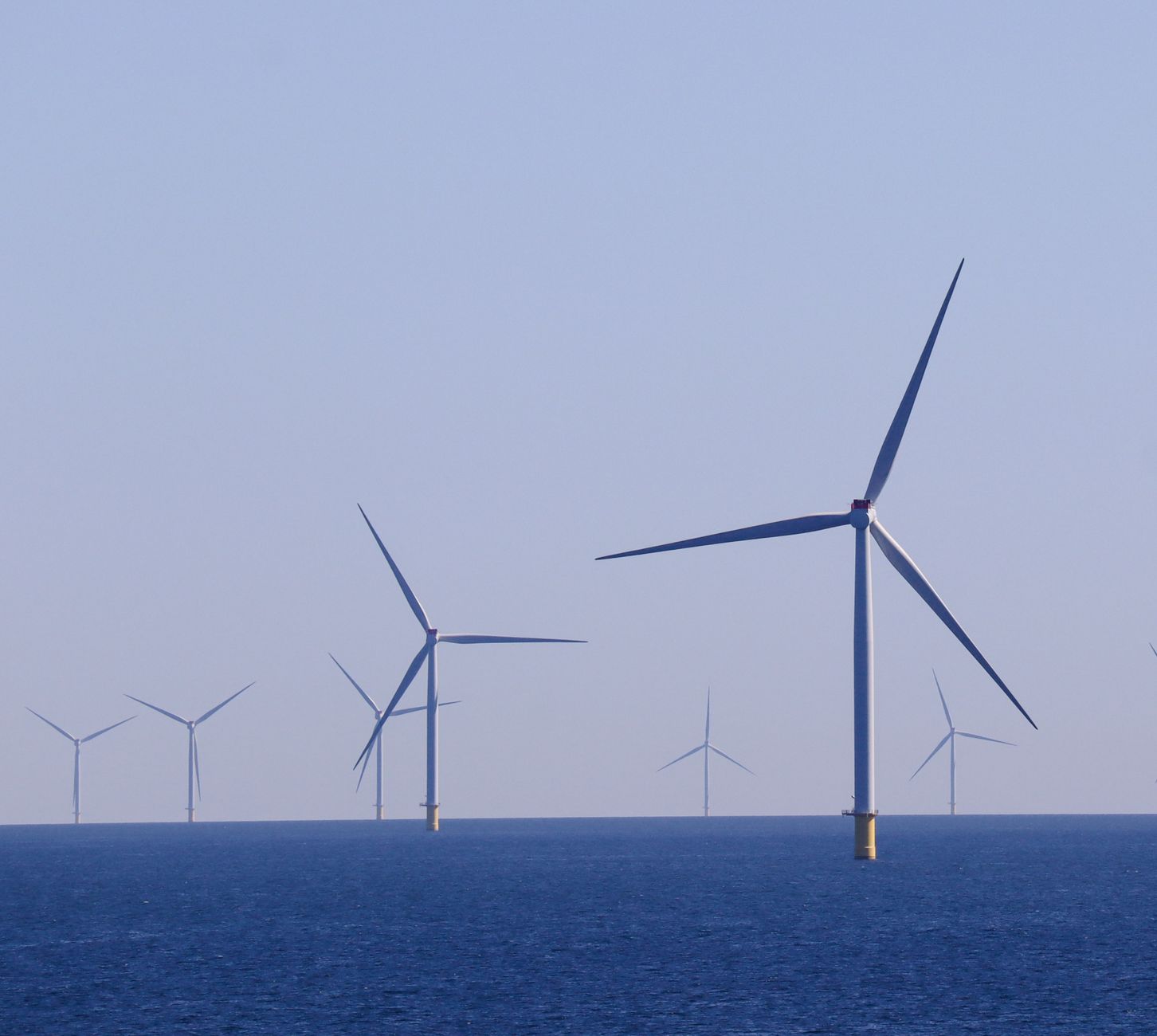
- Modern offshore blades now exceed 115 meters in length, requiring specialized installation vessels
- Deep-water development represents a frontier technology for Asia's wind capacity goals
Why Floating Matters for Taiwan's Expansion
Taiwan's coastline and surrounding seabed present a familiar constraint for offshore developers: shallow water near population centers, but the best wind resource sits farther out. A 2027 floating wind auction signals the country is moving beyond fixed-bottom turbines into deeper waters where floating platforms become necessary. This isn't speculative technology anymore—floating systems are operational in European waters and represent the next rung on the capacity ladder for any offshore-dependent grid.
The timing aligns with natural progression. Fixed foundations work economically to roughly 60 meters of water depth. Beyond that, the engineering and cost calculus shifts toward semi-submersible or tension-leg platforms that can hold multimegawatt turbines in place while remaining cost-competitive at scale.
The Hardware Reality
Modern offshore turbine blades now exceed 115 meters in length—longer than a football field end-to-end—making them among the largest industrial structures deployed remotely. These massive rotors create both opportunity and constraint. Floating platforms must not only anchor them safely but accommodate the hydrodynamic motion that comes with a moving foundation. Cable routing, mooring systems, and subsea infrastructure all grow more complex. The vessels capable of handling these installations are specialized and expensive, which means project planning must be precise and lead times are measured in years, not months.
Taiwan's Strategic Position
For Taiwan, floating technology opens access to better wind resources while sidestepping the space and seabed conflicts of shallower developments. The 2027 auction will likely test market appetite and technology readiness among global suppliers. It also signals confidence in the supply chain—floating projects require confident forecasting because development cycles are longer and capital exposure is higher.
This isn't the first proof-of-concept. It's a commitment to scaling. Developers and component manufacturers watching this timeline should expect procurement discussions to accelerate in 2026. Mooring specialists, cable vendors, and installation contractors will be penciling this in as a reference point for regional growth. For Taiwan's grid and industrial base, 2027 marks the moment offshore wind moves offshore—literally, into the deeper water where the real resource lives.
Enjoyed this one?
Get the next MW Daily entry straight to your inbox.
mwdaily.energy — no spam, unsubscribe anytime