Parties pledging to end energy transition win German state election
Anti-transition party gains ground in German state election, complicating renewable energy deployment targets across the region.
At a Glance
- Political parties opposing accelerated energy transition secured electoral gains in a German state.
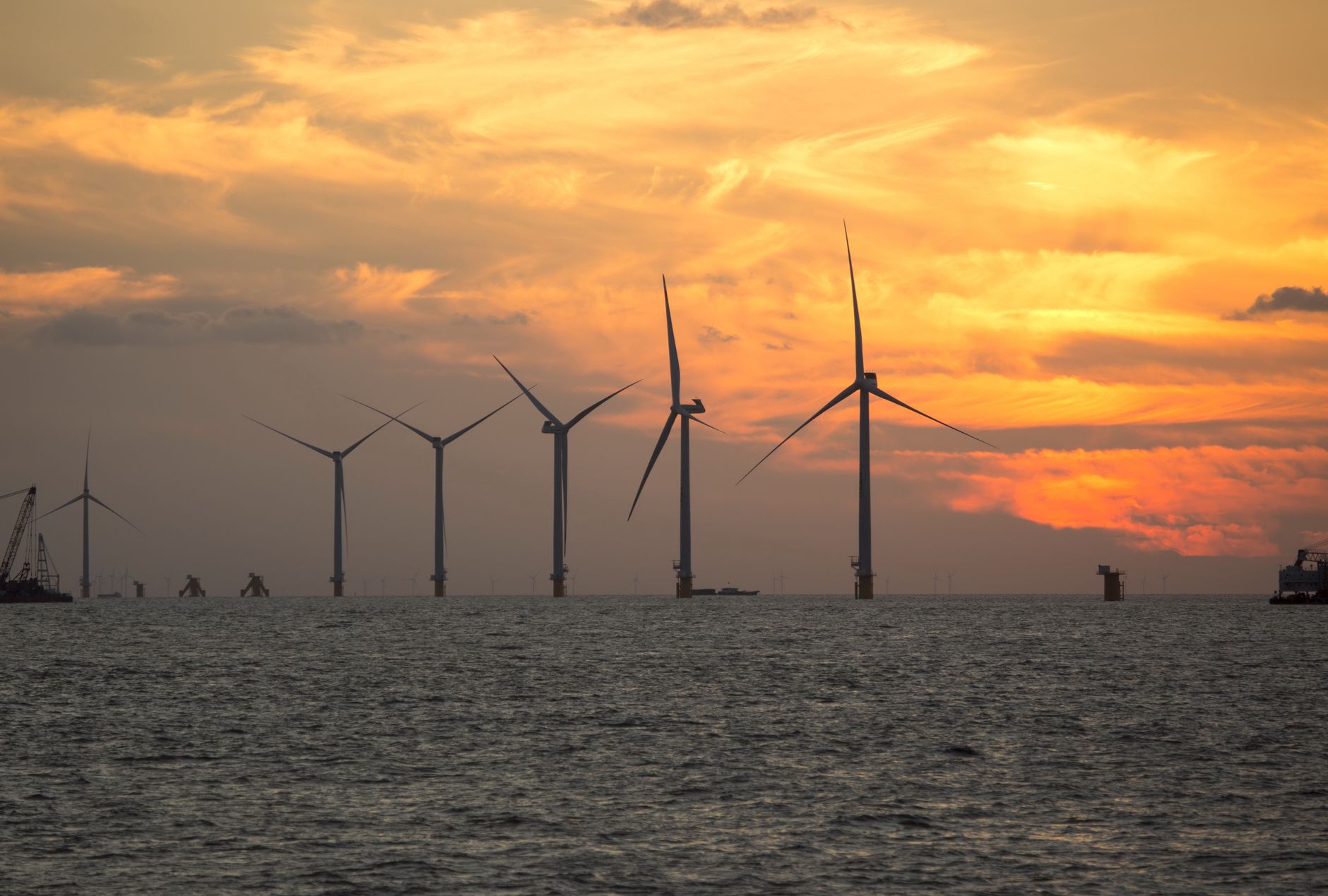
- Modern offshore turbine blades exceed 115 meters in length, requiring substantial infrastructure and permitting capacity.
- State-level election results can significantly influence regional renewable development timelines and grid integration strategies.
Political Headwinds for Germany's Energy Goals
A German state's recent election delivered gains to parties explicitly opposing rapid energy transition policies. This outcome reflects deepening political friction around the pace and cost of decarbonization—friction that ripples directly through permitting, grid investment, and project development timelines. When state governments shift positions on renewable deployment, the gears of regional energy infrastructure grind to a halt or accelerate accordingly.
What This Means for Infrastructure Planning
State-level energy policy shapes everything from transmission corridor approval to local opposition dynamics around wind farms. Parties resisting transition commitments typically prioritize incumbent energy sources and slow infrastructure expansion, which compounds the engineering challenge of grid integration. Modern offshore turbine blade technology—now exceeding 115 meters in length—demands sophisticated port facilities, specialized transport corridors, and coordinated multi-year permitting cycles. When political support erodes at the regional level, the logistics and cost certainty required for such projects becomes precarious.
Germany's offshore wind sector particularly depends on state cooperation for grid connection points, coastal development zones, and workforce training infrastructure. A political shift away from transition goals signals reduced investment priority, potentially cascading into delayed grid reinforcement projects that these larger installations require.
Implications for Operators and Developers
For companies active in German wind development, election results like these warrant scenario planning around permitting timelines and regulatory support. State governments set the tone for local opposition, environmental review intensity, and grid operator coordination. The technical demands of modern offshore deployment—from blade logistics to foundation engineering—are unforgiving of political uncertainty.
This election underscores a persistent tension in energy transition strategy: ambitious deployment targets require sustained political backing across electoral cycles. Without it, even when technology matures and becomes cost-competitive, regional bottlenecks choke deployment velocity. Developers must now factor in potential policy reversals and slower permitting infrastructure as operational risks in their German pipeline.
Enjoyed this one?
Get the next MW Daily entry straight to your inbox.
mwdaily.energy — no spam, unsubscribe anytime