Onshore Wind 2026: ‘Hitting 29GW could unlock huge savings’
Onshore wind capacity targets for 2026 could trigger significant cost reductions across supply chains and installation.
At a Glance
- Reaching 29GW of onshore wind capacity in 2026 is being positioned as a threshold for unlocking economies of scale.
- Higher deployment volumes typically reduce per-megawatt costs through supply chain efficiencies and standardized processes.
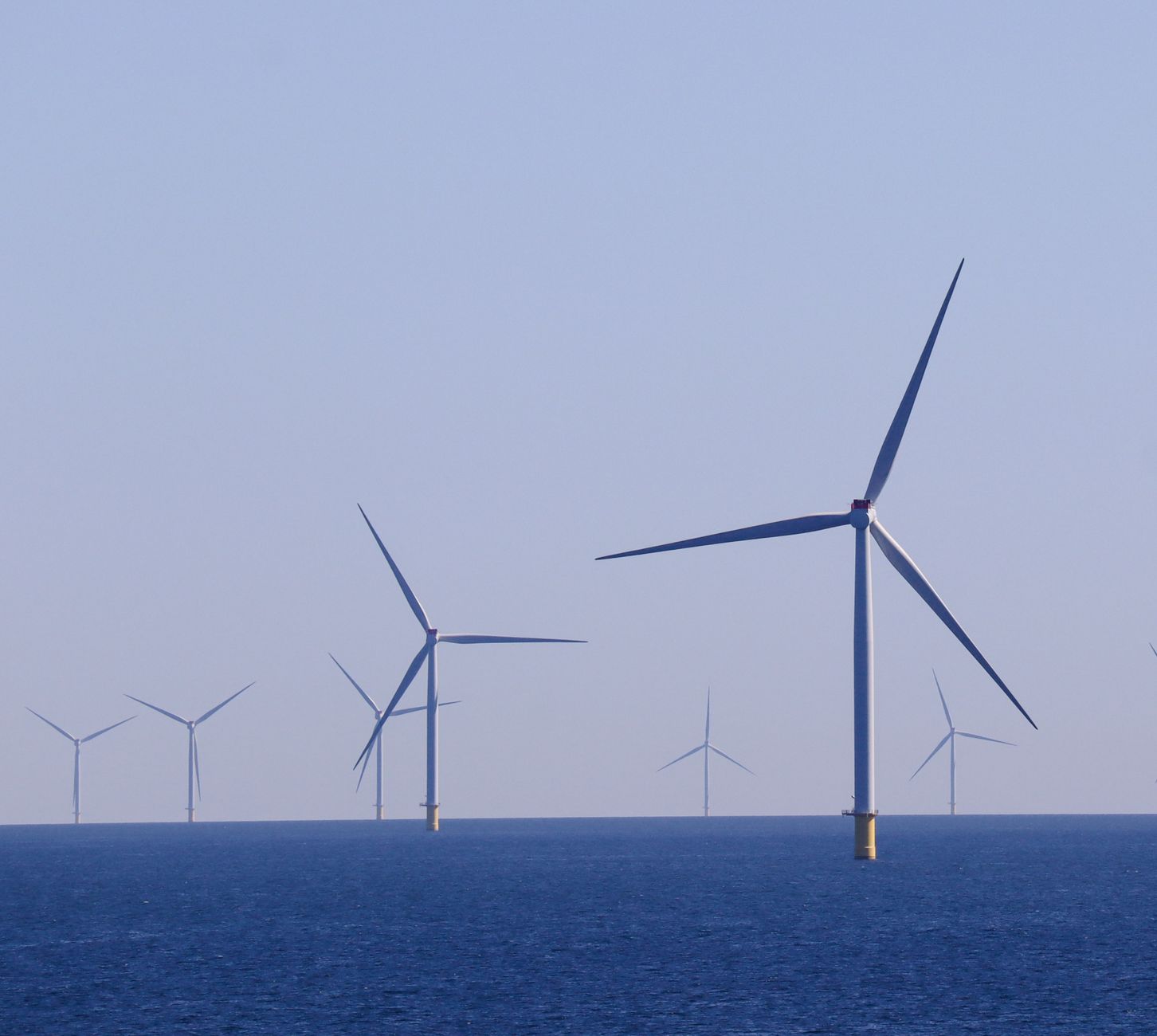
- Offshore turbines now feature blades exceeding 115 meters, demonstrating parallel advances in blade engineering across both platforms.
- Sustained capacity growth depends on permitting timelines, grid interconnection availability, and sustained policy support.
Scale Drives Margin Compression
The wind industry has long understood that deployment volume creates leverage across the entire value chain. When onshore capacity reaches certain thresholds, manufacturers can optimize production runs, logistics networks consolidate around key facilities, and installation crews develop genuine expertise rather than learning on every project. The claim that hitting 29GW unlocks material savings suggests industry analysts see this particular figure as a tipping point—a moment when the cumulative effect of repeated builds translates into measurable cost reductions that flow back to project developers and ultimately to power purchase agreement pricing.
Engineering Maturity Across Scales
While onshore turbines typically run 12–15 MW in current deployments, the parallel acceleration in offshore engineering—where blades now routinely exceed 115 meters in length—shows how the sector continues to push scaling boundaries. Longer blades capture more energy per rotor sweep, but they demand advances in materials science, transport logistics, and installation vessels. The lessons learned offshore, from advanced composites to foundation design, often filter back into onshore practice, even if the final machines look different. That knowledge transfer reinforces why reaching higher deployment targets matters; the entire ecosystem becomes more sophisticated.
Translating Capacity into Cost Reality
The translation from nameplate capacity to actual savings is not automatic. Grid integration constraints, supply chain bottlenecks, and labor availability all mediate how quickly manufacturers can drop costs. A 29GW target assumes that permitting cycles keep pace, that interconnection queues move at reasonable speed, and that the regulatory environment remains stable enough for developers to commit to multi-year build programs. Without those conditions, even hitting the capacity number might not yield the expected cost reduction.
What Comes Next
If onshore deployments do accelerate toward this benchmark, watch for announcements from turbine OEMs about manufacturing footprint expansion and from balance-of-plant suppliers about facility investments. Cost reduction typically lags deployment volume by 18–24 months, so savings visible in 2027 or 2028 contracts likely depend on whether 2025 and 2026 commitments materialize as predicted.
Enjoyed this one?
Get the next MW Daily entry straight to your inbox.
mwdaily.energy — no spam, unsubscribe anytime