Ranked: the UK's most profitable offshore wind farms
Analysis of which UK offshore wind farms deliver the strongest financial performance and what drives their profitability margins.
At a Glance
- UK offshore wind farms show measurable variation in profitability across operational projects.
- Modern offshore turbine blades exceed 115 meters in length, enabling economies of scale in large installations.
- Asset performance, location, and grid connection quality directly influence financial returns from offshore wind operations.
- Understanding profitability drivers helps identify which project characteristics support long-term viability.
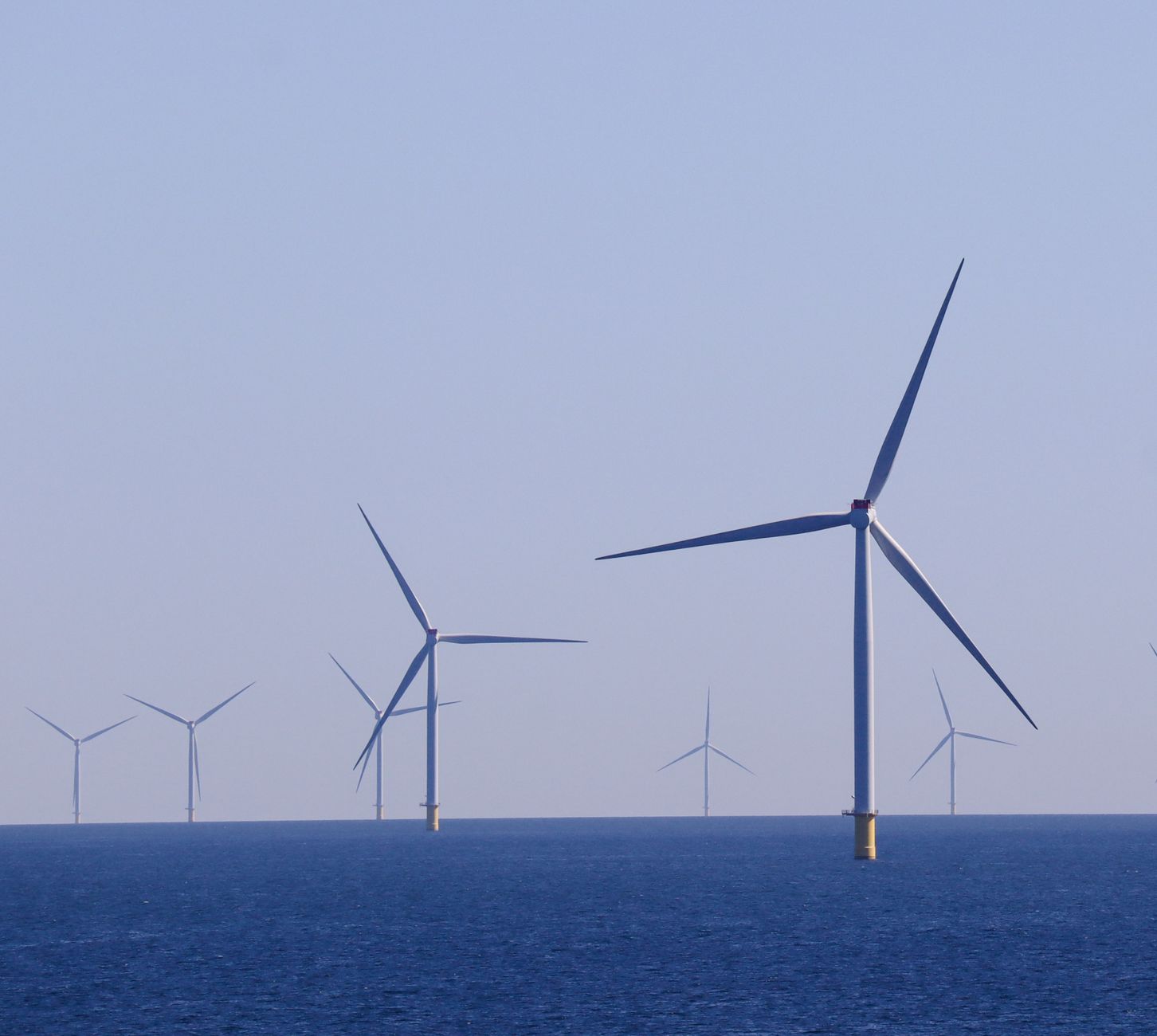
Return on Complexity
Ranking offshore wind farms by profitability reveals how the commercial viability of these massive installations depends on factors beyond raw capacity. A project's financial performance reflects site conditions, infrastructure maturity, grid access, and operational efficiency—variables that shift meaningfully across the UK's offshore resource regions. Developers and investors increasingly scrutinize these metrics as capital costs remain elevated and market dynamics tighten.
Scale and Technology Payoff
The envelope of offshore turbine technology now routinely deploys rotors with blades stretching beyond 115 meters—effectively longer than an American football field from end zone to end zone. That scale translates into higher capacity factors and lower unit costs per megawatt, but only when paired with sites that can deliver consistent wind resources and infrastructure capable of supporting installation and maintenance. Older offshore farms operating with smaller machines face different economic constraints than newer builds equipped with current-generation turbines.
Location and Grid Matter
Geography shapes profitability in ways that capital intensity alone cannot predict. Farms located closer to established grid interconnection points avoid layered transmission costs and connection delays. Similarly, water depths, seabed conditions, and distance from service ports affect installation timelines and maintenance logistics—items that hit operational cost structures year over year. The most profitable sites often combine favorable wind resources with proximity to existing infrastructure rather than greenfield locations requiring new grid access.
Implications for Future Development
As the UK continues expanding offshore capacity, profitability rankings highlight which projects operators and financiers should examine most closely. Farms demonstrating strong returns often share characteristics that newer projects can replicate: efficient turbine deployments, robust grid connectivity, and management teams that have resolved early-stage teething problems. Understanding these patterns informs where future capital flows and which technologies justify commercial deployment. The variance in profitability also underscores why developers remain cautious about distant or technically challenging sites—the upside doesn't always offset execution risk and higher carrying costs.
Enjoyed this one?
Get the next MW Daily entry straight to your inbox.
mwdaily.energy — no spam, unsubscribe anytime