Atomic giants EDF and Rosatom push plan to sell nuclear-powered hydrogen as 'green'
EDF and Rosatom advance strategy to market nuclear-generated hydrogen as a clean fuel alternative
At a Glance
- EDF and Rosatom are promoting hydrogen produced from nuclear power as a green solution
- Nuclear electrolysis represents an alternative pathway to hydrogen production beyond conventional grid electricity
- The classification of nuclear-derived hydrogen challenges existing renewable energy market definitions
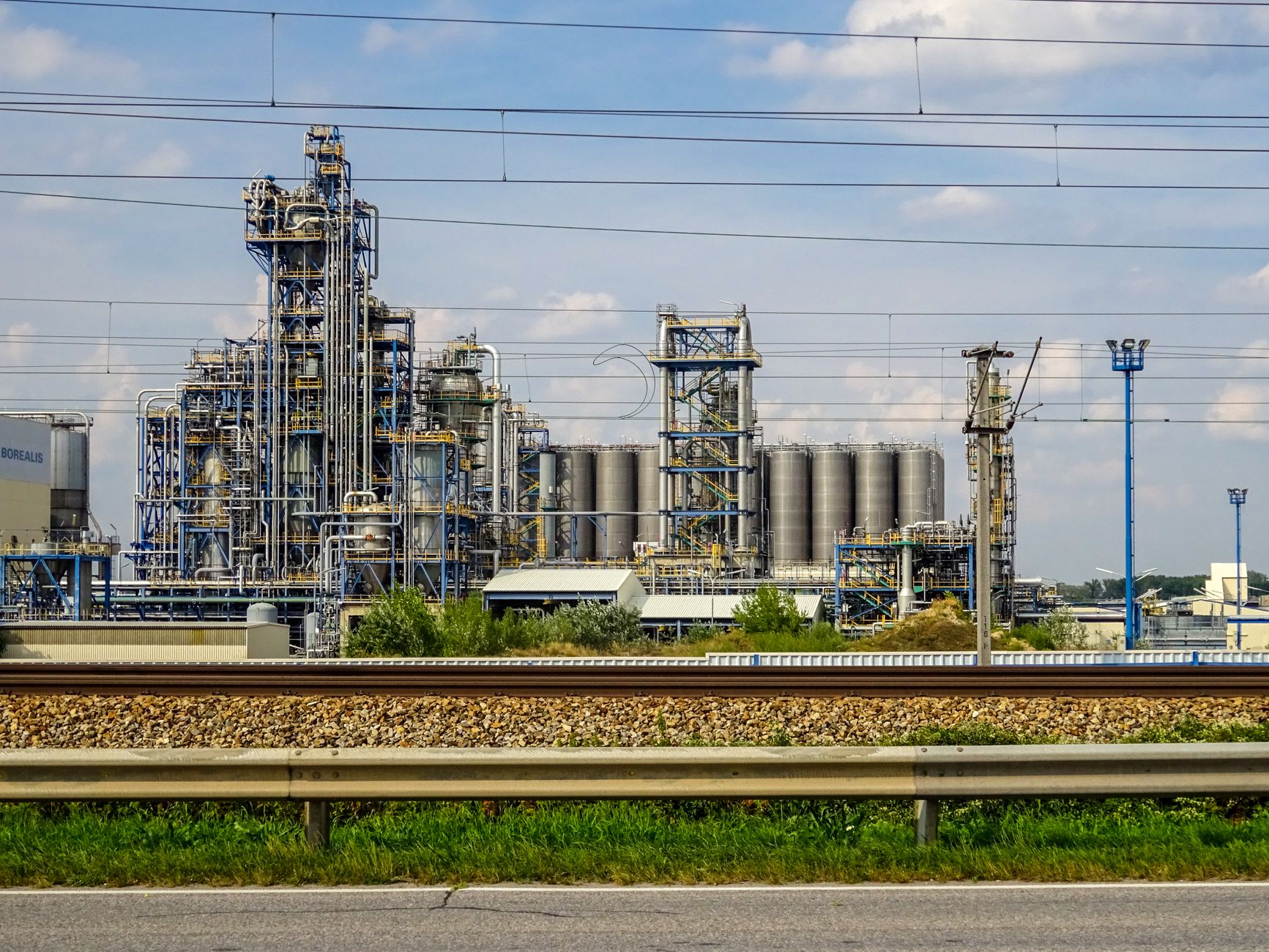
A Third Route to Low-Carbon Hydrogen
The hydrogen production landscape has long been framed around two endpoints: gray hydrogen from natural gas reformation, and green hydrogen from wind and solar electrolysis. Now two multinational nuclear operators are actively campaigning to establish a third category—hydrogen generated directly from nuclear plants. Their pitch centers on consistency and emissions reduction, arguing that the thermal efficiency and dispatchability of nuclear generation creates a distinct advantage over weather-dependent renewables for industrial hydrogen synthesis.
This positioning reflects a fundamental shift in how the sector approaches zero-carbon fuel synthesis. Rather than competing solely on renewable electricity, nuclear operators can leverage their continuous baseload output and existing infrastructure to power electrolyzers year-round. The technical appeal is straightforward: hydrogen production requires sustained electrical input, and intermittent generation sources necessitate oversized equipment and storage capacity to maintain throughput.
Definitional Stakes
What matters most here isn't the technical merit—it's nomenclature and market access. If nuclear-derived hydrogen gains formal recognition as "green" in regulatory frameworks and procurement standards, it opens procurement pathways currently restricted to wind and solar projects. The European Union's hydrogen classification scheme and emerging standards in North America will determine whether this hydrogen enters markets designated exclusively for truly renewable sources or occupies its own category.
The broader energy sector understands this dynamic well. Offshore wind development illustrates the principle: modern turbine blades now exceed 115 meters in length, enabling far greater capacity factors and reducing the footprint per megawatt. That technical advantage translated into market confidence only when regulatory frameworks and financing mechanisms recognized and valued those improvements. Nuclear hydrogen advocates face a similar credibility challenge—the physics works, but the market categories don't yet exist.
Industry Implications
If this campaign succeeds, it could reshape hydrogen sourcing strategies for heavy industry, refineries, and fertilizer production. Companies currently planning renewable electrolysis projects might reconsider locations near nuclear plants. Conversely, established renewable hydrogen developers will likely argue strenuously that classification standards should reflect the true carbon footprint of fuel production and the energy sources' temporal availability.
The technical fundamentals favor nuclear consistency. Whether that translates into market acceptance depends entirely on how regulators and corporate procurement teams define their green hydrogen criteria in the years ahead.
Enjoyed this one?
Get the next MW Daily entry straight to your inbox.
mwdaily.energy — no spam, unsubscribe anytime