Onshore Wind 2026: ‘Strong public support for sector’
Onshore wind continues to enjoy robust public backing heading into 2026, signaling stable ground for sector growth.
At a Glance
- Public support for onshore wind remains strong as the sector approaches 2026.
- Community acceptance is a critical factor for onshore project permitting and development timelines.
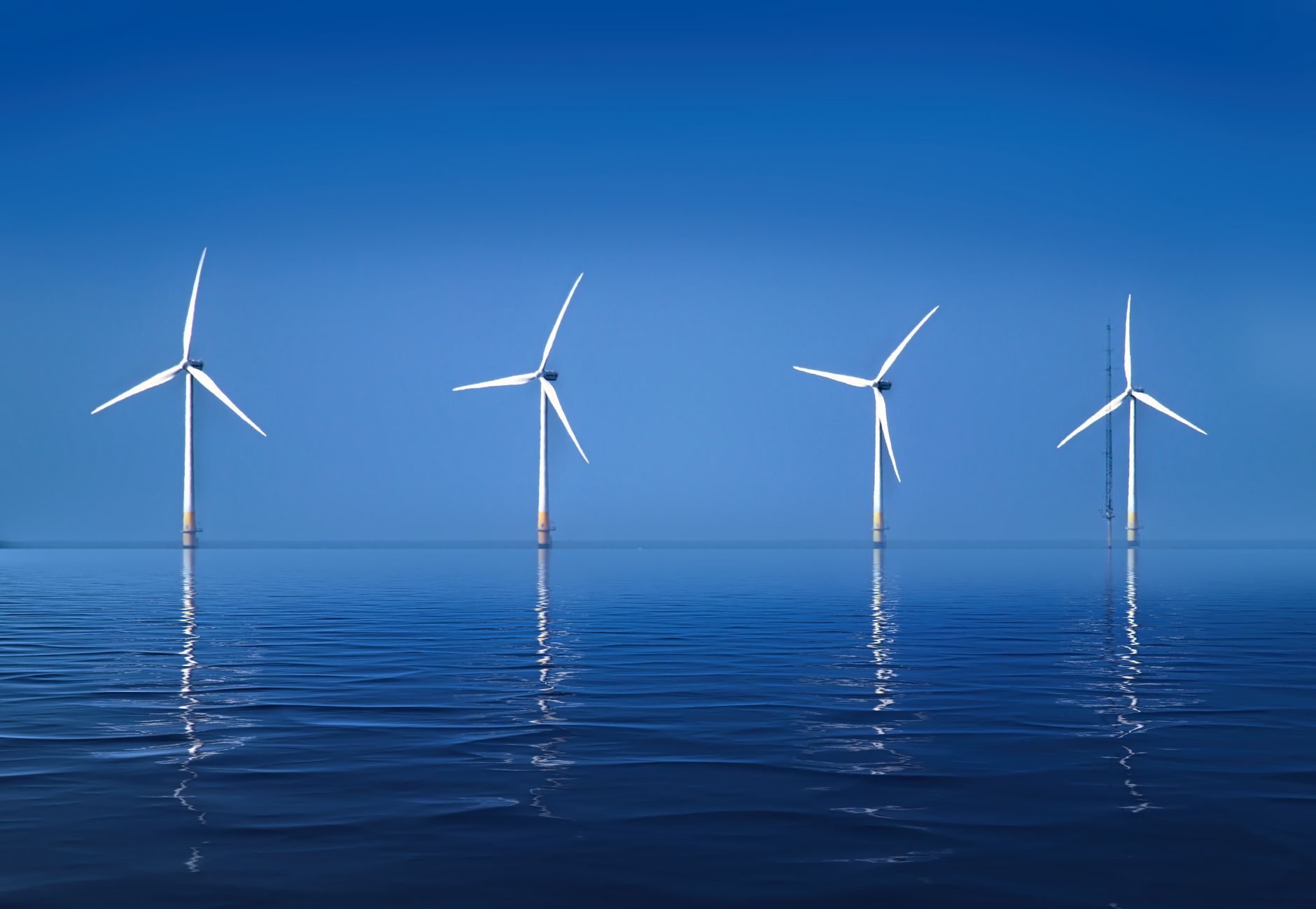
- Offshore turbine blades now exceed 115 meters in length, demonstrating the technological divergence between development scales.
The Permitting Advantage of Sustained Approval
Onshore wind development has benefited from steady public confidence, a condition that translates directly to smoother permitting processes and fewer project delays. Unlike offshore installations, which face distinct engineering and environmental scrutiny, onshore farms operate within more established regulatory frameworks—frameworks that function more efficiently when community sentiment remains favorable. Strong public backing reduces the friction points that can stretch timelines by months or years, allowing developers to move from planning through construction with greater predictability.
Why Onshore Remains the Faster Path
The contrast between onshore and offshore development reflects not just public perception but fundamental engineering realities. Modern offshore turbine blades now exceed 115 meters in length—longer than a football field—creating logistics, installation, and foundation challenges that have no onshore equivalent. These massive structures require specialized vessels, deepwater installation protocols, and substantially higher capital expenditure. Onshore platforms, by comparison, remain simpler to permit, finance, and deploy. Public confidence in the sector strengthens the relative advantage of ground-based projects, making them increasingly attractive to utilities and independent power producers evaluating their portfolios.
Momentum Building Toward 2026
The headline messaging around 2026 likely reflects industry forecasts of capacity additions and policy continuity. Strong public support provides a buffer against the political volatility that can derail wind projects mid-development. For engineers and project managers, this translates to more reliable planning horizons. Contract timelines, supply chain commitments, and workforce planning all depend on sustained regulatory clarity—which public confidence helps underpin.
For the onshore segment specifically, this approval backdrop means developers can focus engineering resources on optimization rather than community relations. That efficiency compounds through the sector, improving delivery schedules and cost performance across portfolios.
Looking Ahead
As offshore wind scales and dominates capacity headlines, the steady productivity of onshore fleets—underpinned by public acceptance—remains the workhorse of grid integration. Maintaining that confidence will be essential to sustaining the build-out rates the grid will need through this decade.
Enjoyed this one?
Get the next MW Daily entry straight to your inbox.
mwdaily.energy — no spam, unsubscribe anytime