Hornsea 3 blade production starts in Hull
GE begins manufacturing blades for Hornsea 3 offshore wind project at UK facility, scaling production of components that are longer than football fields.
At a Glance
- Blade production for Hornsea 3 has commenced at a Hull manufacturing facility.
- Modern offshore turbine blades now exceed 115 meters in length, longer than a football field.
- Domestic blade manufacturing demonstrates continued investment in UK wind supply chains.
- Component fabrication scale highlights engineering and logistics demands of offshore wind deployment.
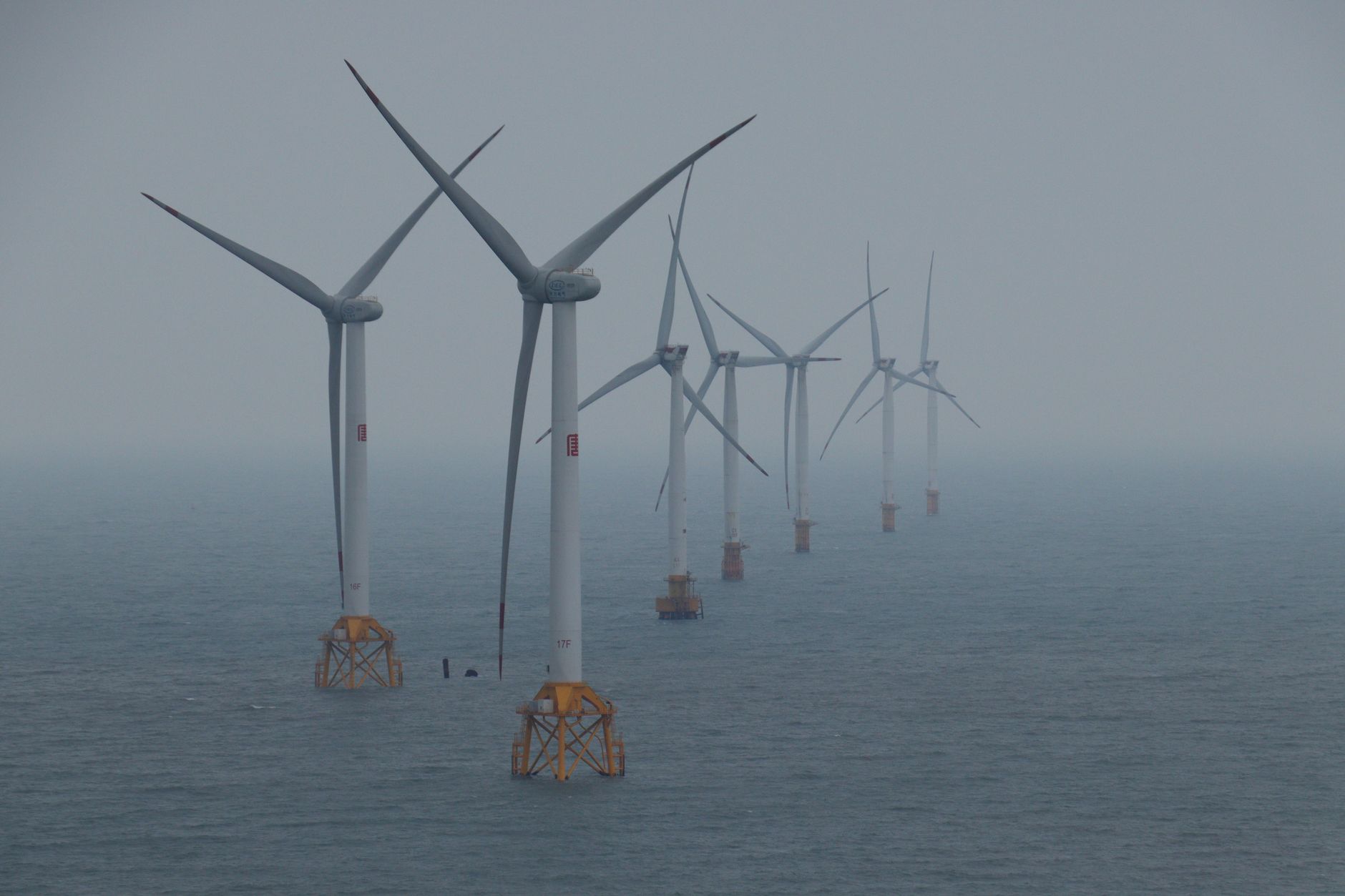
Scaling Up at the Factory
Production of blades for the Hornsea 3 offshore wind farm has begun at a manufacturing site in Hull, marking another step in completing the supply chain for this large-scale project. The facility's ability to produce these components domestically reflects the infrastructure required to support the UK's offshore wind expansion. Blade manufacturing demands precision tooling, quality control systems, and workforce capacity that directly influence project timelines and cost efficiency across the sector.
The Sheer Scale of Modern Rotor Blades
Contemporary offshore turbine blades now exceed 115 meters in length—a dimension that fundamentally reshapes logistics, transportation, and installation planning. At that scale, a single blade rivals the length of a football field, demanding specialized handling equipment, reinforced transport corridors, and port infrastructure capable of managing components that are effectively large structures in their own right. This dimensional reality influences everything from factory floor layout to vessel specifications for offshore installation.
Supply Chain Resilience and Timing
Inland blade fabrication reduces shipping costs and supply chain vulnerability compared to long-distance imports. It also creates local employment and technical capacity that supports broader industry maturation. For projects like Hornsea 3, domestic production capacity directly translates to more predictable delivery schedules and the ability to respond to quality issues without international coordination delays. As offshore wind projects grow in both capacity and number, the constraint isn't always wind resource or grid connection—it's the physical ability to manufacture and move increasingly enormous components.
What This Means for Projects Ahead
Successful blade production startup at existing facilities signals confidence in future deployment demand. Manufacturers investing in production capacity do so with multi-project visibility. The Hull facility's output will feed not only Hornsea 3 but also support the pipeline of offshore projects across the UK and potentially export markets, creating durable industrial employment tied directly to energy transition infrastructure.
Enjoyed this one?
Get the next MW Daily entry straight to your inbox.
mwdaily.energy — no spam, unsubscribe anytime