Chleansaid wind farm Archives
Offshore wind expansion continues amid evolving turbine architecture and deployment challenges in competitive markets.
At a Glance
- Modern offshore turbine blades now exceed 115 meters in length, creating engineering and logistics challenges for installation.
- Larger blade designs improve energy capture per unit but demand specialized vessels and port infrastructure.
- Offshore wind capacity continues expanding as operators balance scale advantages against real-world deployment constraints.
Scaling Up Against Physical Constraints
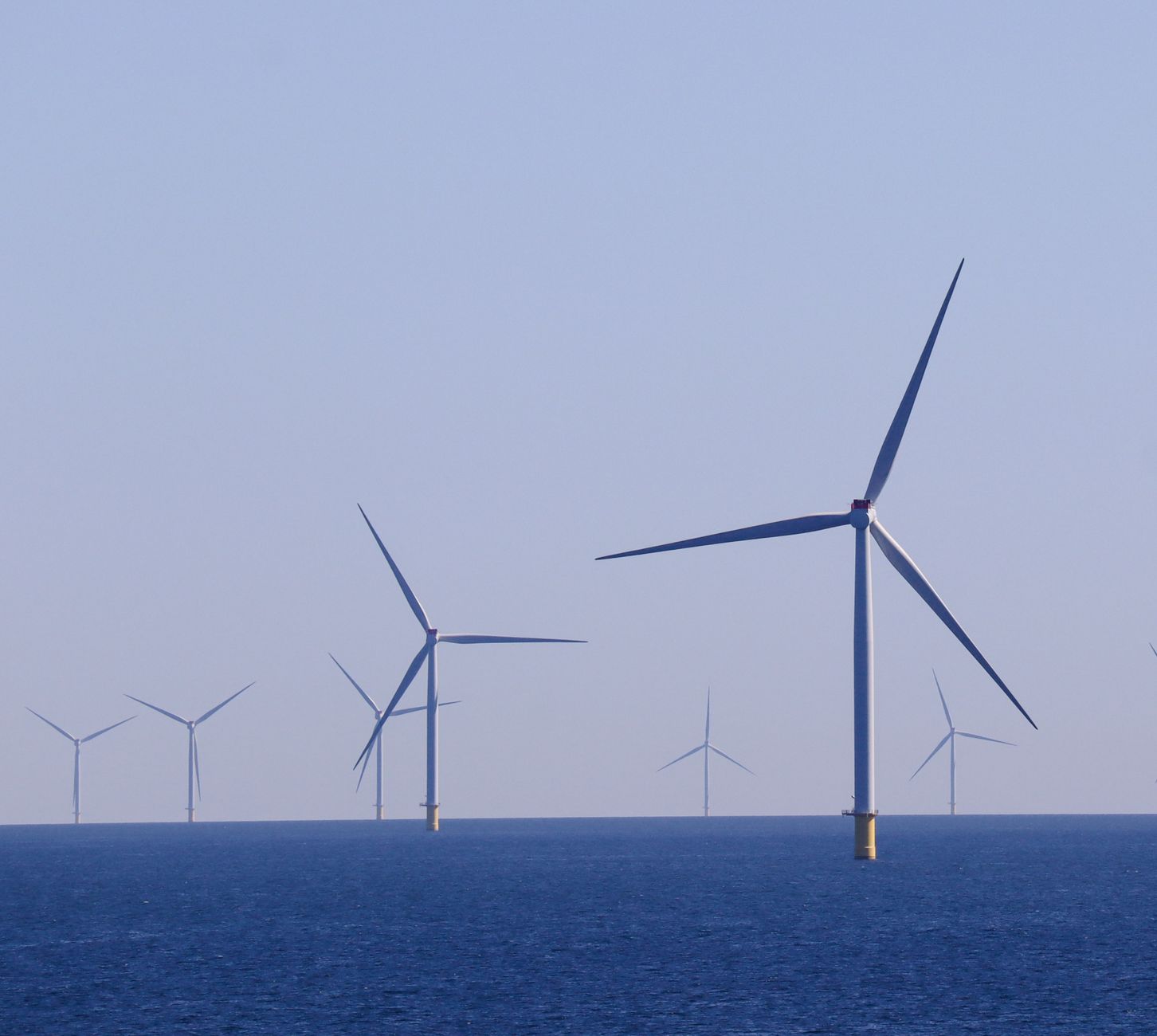
Offshore wind developers face a familiar engineering trade-off: larger rotors generate more power, but moving and installing components that dwarf conventional structures requires infrastructure most ports simply don't possess. Modern offshore turbine blades now exceed 115 meters—a dimension that creates genuine logistical headaches beyond the basic physics of wind energy. A blade of that length cannot navigate standard shipping channels or fit through conventional harbor infrastructure without heavy investment in port upgrades.
This scaling challenge sits at the heart of current deployment strategies. Operators must weigh the efficiency gains from bigger machines against the capital costs of securing specialized installation vessels, retrofitting port facilities, and managing blade transport. It's not an academic problem—it directly affects project timelines and competitiveness in markets where cost per megawatt remains under intense pressure.
The Infrastructure Question
The wind sector has solved bigger technical problems than blade installation, but this one persists because it's partially economic rather than purely technical. A facility equipped to handle 115-meter blades requires significant upfront spending, and not every market justifies that investment. Developers must therefore cluster projects in regions with adequate infrastructure or fund improvements themselves—either way, the cost flows through to project economics.
Regional disparity in port capability already shapes where new offshore capacity lands. Regions with modern heavy-lift infrastructure attract projects; those without it face higher per-megawatt costs or technological compromise.
Current Market Dynamics
The offshore wind market continues expanding despite these constraints, suggesting developers view the long-blade architecture as worth the friction. Turbine manufacturers continue pushing rotor diameters upward because the megawatt-per-ton efficiency gains eventually exceed the logistics premiums—at sufficient project scale. Smaller markets or near-shore applications may prove more resistant to this trend, instead favoring modestly sized machines that integrate with existing port infrastructure.
The real-world outcome won't be a single solution. Expect a tiered market: hyperscale offshore projects in well-equipped regions adopting the largest available blades, while mid-sized developers in resource-constrained regions continue with slightly smaller equipment that balances energy yield against installation practicality. Engineering constraints don't disappear; they're just priced in.
Enjoyed this one?
Get the next MW Daily entry straight to your inbox.
mwdaily.energy — no spam, unsubscribe anytime