Rivian CFO jumps to GE Vernova as power giant rides demand boom
Rivian's finance chief joins GE Vernova, signaling executive-level confidence in energy infrastructure's growth trajectory.
Capital Deployment Signals Shift in Energy Markets
When senior finance talent moves from automotive startups to legacy energy infrastructure companies, it typically means one thing: someone sees more predictable capital deployment opportunities ahead. A CFO's decision to leave the volatility of EV manufacturing for a renewables-focused outfit under a major industrial conglomerate suggests GE Vernova is preparing for scaled, systematic growth in ways that require sophisticated financial architecture.
This kind of move doesn't happen casually. Finance leaders at that level are assessing not just near-term revenue potential but the underlying demand fundamentals and capital access mechanisms that will define their next operational chapter. For GE Vernova specifically, it signals confidence in the structural tailwinds supporting grid modernization and generation capacity replacement.
Offshore Scaling Requires Different Financial Mindsets
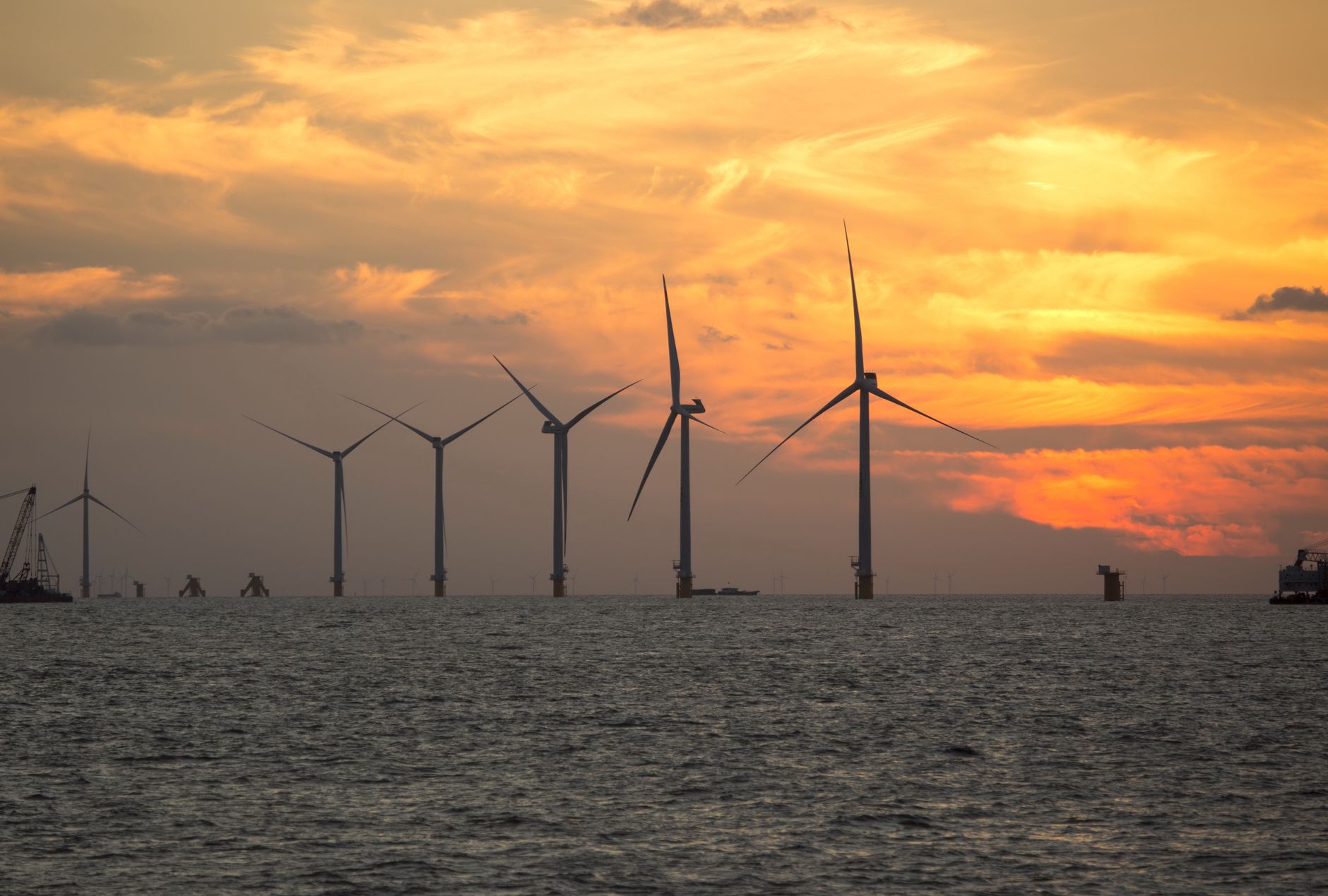
The offshore wind sector in particular demands capital discipline that differs sharply from onshore development. Modern offshore turbine blades now exceed 115 meters in length—longer than a football field—which means individual projects involve substantial per-unit capex and longer development cycles. Installation vessels, supply chain logistics, and subsea infrastructure all require multi-year financing strategies and risk management frameworks.
A finance executive transitioning into this space needs to model scenarios where individual turbines represent million-dollar capital commitments and project timelines stretch across regulatory, construction, and operational phases measured in years. That's a different calculus than managing a manufacturing startup's burn rate.
Market Momentum Behind the Transition
The broader context matters here. GE Vernova operates within a parent company that still carries institutional relationships, balance sheet capacity, and risk appetite for infrastructure assets that can take years to monetize. The demand for renewable generation capacity—both onshore and offshore—isn't cyclical in the traditional sense; it's driven by decarbonization mandates and grid decentralization trends that move slower but with more structural certainty than automotive demand cycles.
For a CFO evaluating where to spend the next phase of their career, that matters. The directional clarity around clean energy transition is stronger than it's been, even amid policy uncertainty in individual markets. A finance leader with automotive experience brings discipline around cost structure and supply chain management that, frankly, offshore wind developers have historically needed more of. This move looks like GE Vernova recognizing that profitability in energy infrastructure depends increasingly on financial rigor—not just engineering capability.
Enjoyed this one?
Get the next MW Daily entry straight to your inbox.
mwdaily.energy — no spam, unsubscribe anytime