Time to turn wasted wind power into the best case for batteries
Curtailment losses create compelling economics for storage. Why wind sites can't afford to ignore battery deployment anymore.
The Arithmetic of Wasted Generation
Wind curtailment isn't a rare edge case anymore—it's a structural feature of grids struggling with variable supply and inflexible demand. When turbines shut down during periods of oversupply, operators forfeit revenue while remaining obligated to maintain equipment and infrastructure. Storage systems eliminate that false choice. Instead of shedding output, facilities can shift generation to higher-value hours, transforming otherwise worthless energy into dispatchable capacity. The financial case has crossed a threshold where battery co-location becomes harder to justify avoiding than deploying.
Scale Matters More Than You'd Think
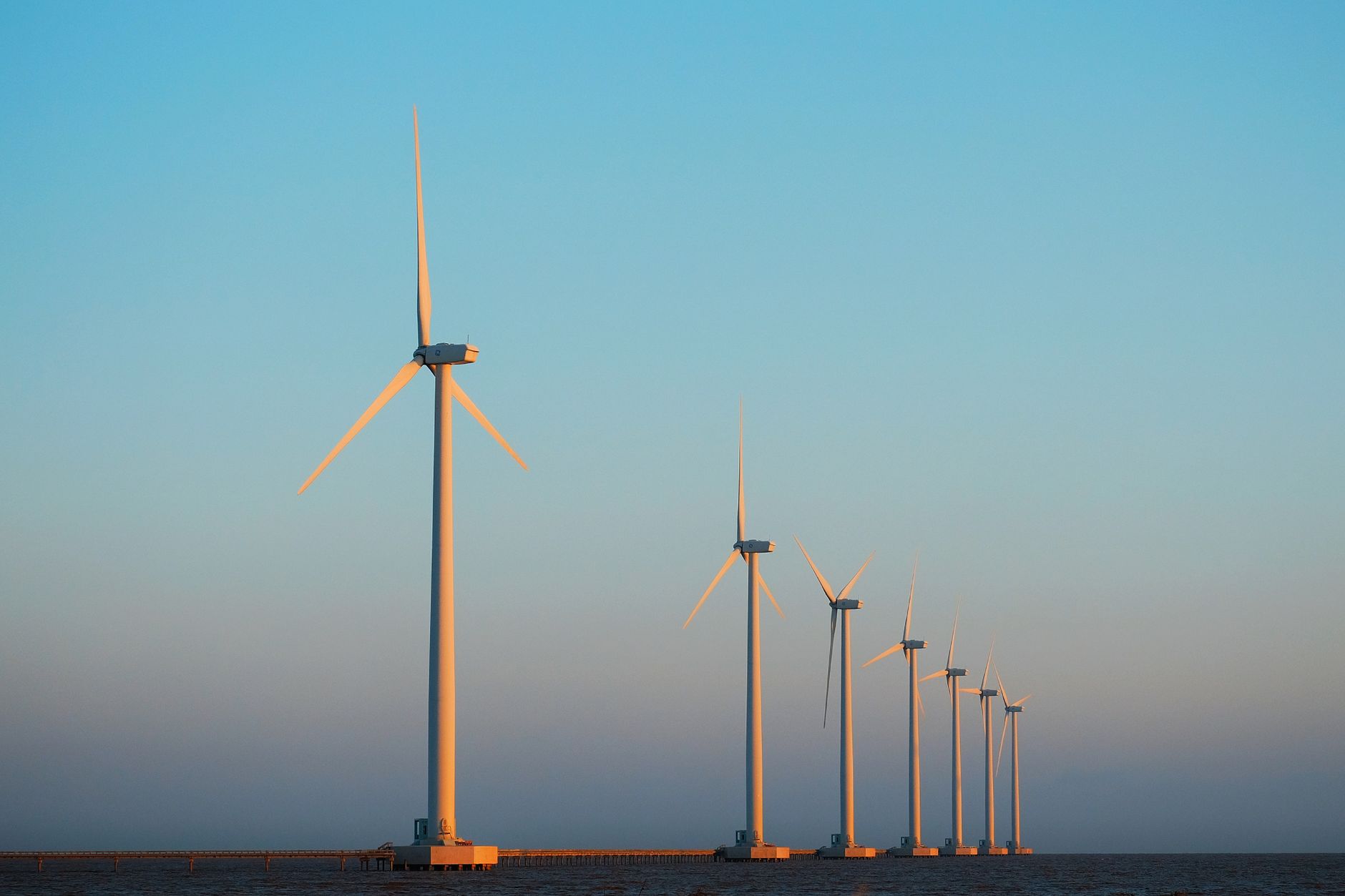
Modern offshore turbine blades now exceed 115 meters in length—longer than a football field—enabling machines that generate meaningful power even in moderate wind conditions. This engineering advancement actually sharpens the curtailment problem. Larger turbines at better sites produce more total energy, but that concentration on fewer units means more frequent, larger spilling events during grid constraints. A single installation can suddenly generate surplus that requires immediate management. Pairing these high-capacity machines with proportionally sized battery systems creates a more stable, marketable asset profile for developers and grid operators.
Shifting From Penalty to Positioning
Operators have historically viewed storage as a cost center—added complexity to manage intermittency. The mental model is inverting. Curtailment data now functions as a site-specific blueprint for storage sizing. If wind facilities document consistent spilling patterns at particular hours, those hours become the storage charge window. Battery dispatch logic leverages that predictability to maximize spread between settlement periods. Developers aren't fighting the wind resource anymore; they're capitalizing on its rhythm.
The Grid Signal
System operators increasingly signal where flexibility is needed and when. Wind facilities equipped with storage respond to those signals while capturing value that would otherwise evaporate. This isn't speculative future economics—curtailment losses are quantifiable today. Facilities have the data. They know where generation fails to reach the grid. The transition from seeing those moments as operational failures to treating them as storage dispatch opportunities represents a fundamental reframing of what makes a wind project complete. The battery isn't a bolt-on amenity anymore. It's the realization of the site's actual capacity to deliver value.
Enjoyed this one?
Get the next MW Daily entry straight to your inbox.
mwdaily.energy — no spam, unsubscribe anytime