Eurowind acquires two German wind farms
Eurowind expands German portfolio with acquisition of two operational wind farms, signaling continued consolidation in European onshore markets.
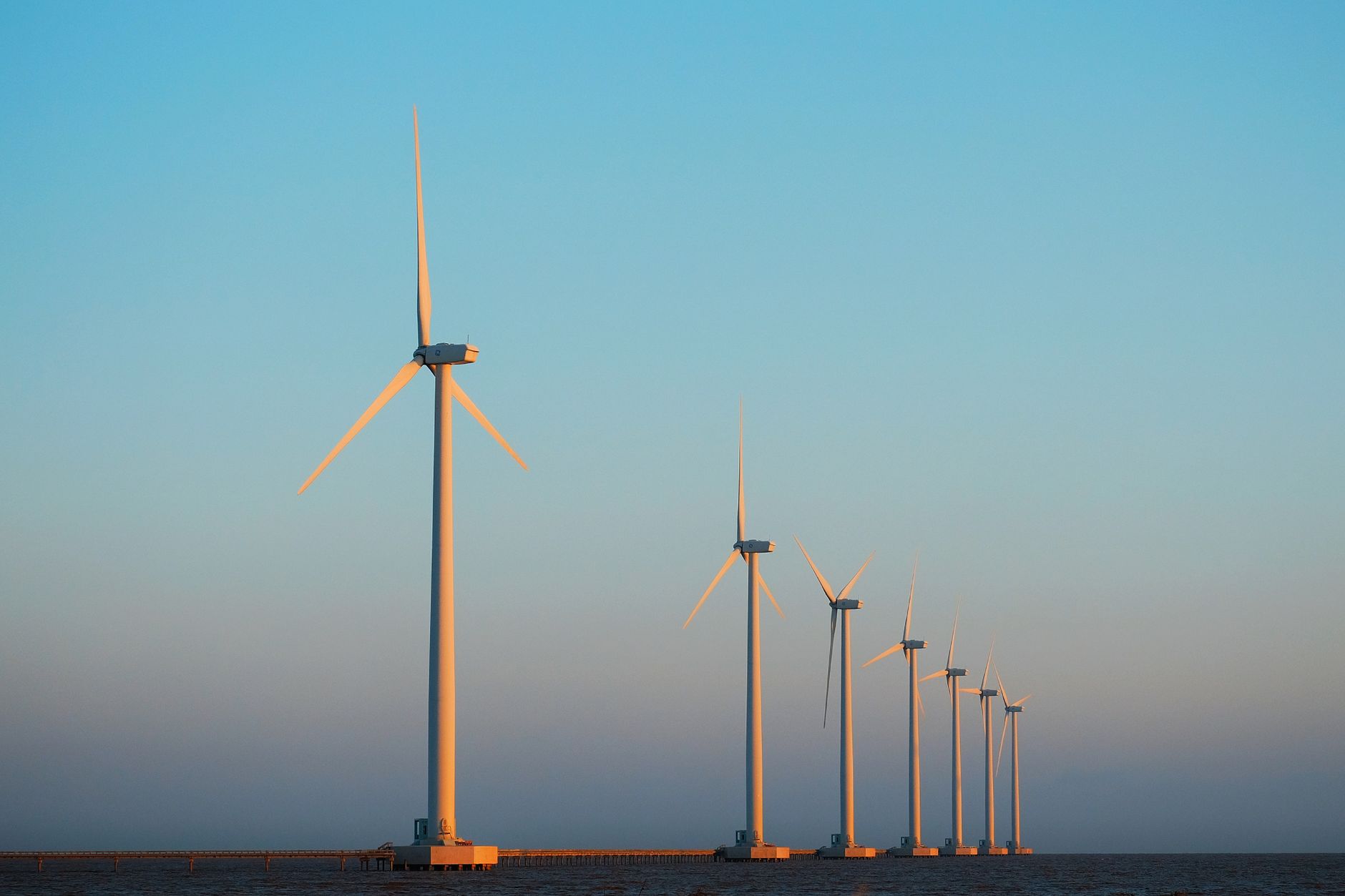
Consolidation Momentum in German Wind
Eurowind's acquisition of two German wind farms reflects the ongoing wave of asset consolidation reshaping Europe's onshore wind sector. As permitting windows tighten and development costs climb, operators with capital and operational expertise are strategically acquiring performing assets rather than building from scratch. Germany remains central to this activity, given its mature regulatory framework and established grid infrastructure—though developers face mounting pressure from land scarcity and community opposition that make greenfield development increasingly arduous.
What Operational Assets Bring
Acquiring operational wind farms offers predictable cash flow and immediate grid connection, bypassing years of permitting delays. For Eurowind, this move provides a foothold in a market where demonstrated project execution matters as much as development pipeline. The German wind sector has matured significantly since the early 2000s; today's acquisitions typically focus on well-maintained portfolios with long asset lives ahead rather than aging installations approaching decommissioning.
The Scale Gap Between Onshore and Offshore
While onshore consolidation continues steadily, the technological curve between land-based and offshore wind has widened substantially. Modern offshore turbine blades now exceed 115 meters in length—longer than a football field—enabling single units to generate 12-15 megawatts or more. By contrast, today's typical onshore machines top out around 60-75 meters with 3-5 megawatt ratings. This efficiency gap explains why developers are increasingly targeting offshore zones despite higher costs: the productivity per installed unit is simply on another scale. For onshore-focused operators like Eurowind, the acquisition strategy makes economic sense—squeezing value from existing assets while the sector matures around them.
What's Next
German wind policy continues evolving. Repowering existing sites with larger, more efficient machines offers a path forward where new-build land acquisition proves impossible. Eurowind's purchase may position it well for such upgrades down the road, when turbine technology economics shift sufficiently to justify replacement. The near-term play, though, is straightforward portfolio building in a market where growth increasingly comes through consolidation rather than virgin development.
Enjoyed this one?
Get the next MW Daily entry straight to your inbox.
mwdaily.energy — no spam, unsubscribe anytime