Siemens Energy prepares Transformation of Industry separation
Siemens Energy charts a strategic overhaul as it separates its industrial business, reshaping how the company competes in hydrogen and renewables markets.
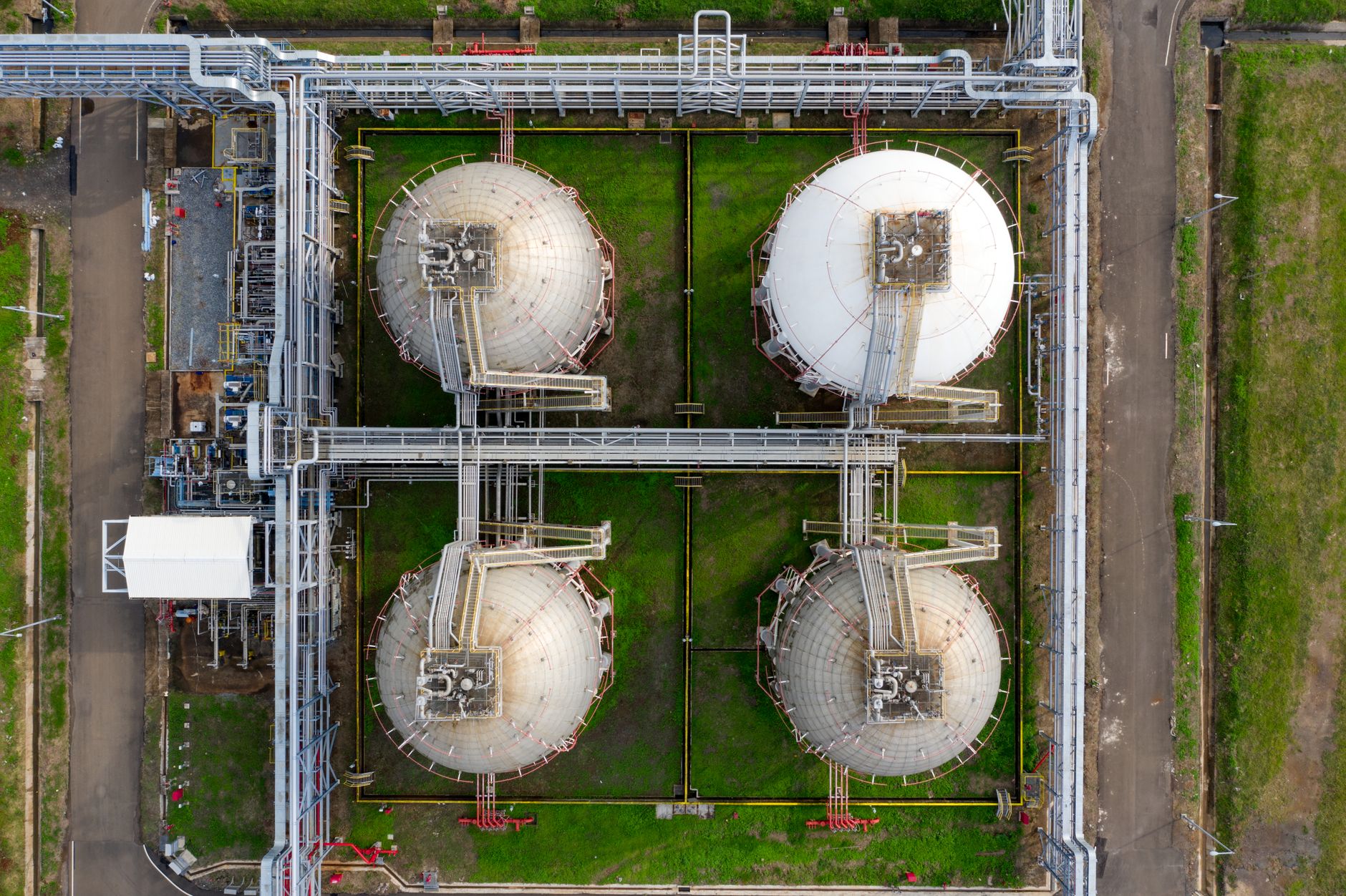
Narrowing Focus on Energy Transition
Siemens Energy's decision to separate its industrial operations signals a deliberate repositioning toward decarbonization technologies. By shedding non-core industrial assets, the company can concentrate capital and engineering talent on the hydrogen economy, offshore wind, and grid infrastructure—the three pillars driving energy transformation globally. This structural change reflects pressure from investors and customers demanding clarity on climate-forward investments rather than diversified conglomerates.
A Cleaner Path to Hydrogen Scale
The separation enables Siemens Energy to operate with the agility hydrogen projects demand. Electrolyzer manufacturing, compression systems, and fuel-cell integration require specialized supply chains and accelerated R&D cycles that compete poorly within sprawling industrial divisions. By isolating these capabilities, management can pursue hydrogen partnerships with oil majors, utilities, and industrial consumers without balancing competing priorities against traditional power equipment businesses. This resembles the playbook other European energy giants have adopted—unburdening clean energy units to move faster.
Offshore Wind Remains Central
While hydrogen expansion dominates headlines, Siemens Energy's offshore turbine portfolio anchors its transformation. The scale of modern blade systems—exceeding 115 meters in length—demands engineering precision and supply-chain integration that only purpose-built divisions can deliver effectively. Larger blades drive higher energy capture and lower per-megawatt costs, making blade design and manufacturing a competitive moat. The separation keeps offshore wind engineering insulated from distractions, allowing sustained investment in next-generation platforms that define project economics.
Market Timing and Execution Risk
Separations of this magnitude carry execution risk. Spinning off industrial operations while ramping hydrogen production and maintaining offshore wind deployment requires disciplined capital allocation and operational continuity. The energy sector has seen separations both succeed and stumble; success depends on clean governance boundaries, retained technical expertise, and customer relationships that survive corporate restructuring. For Siemens Energy, the bet is that focus outweighs short-term disruption costs—and that a dedicated energy transformation company attracts capital and talent at better terms than a diversified parent could offer.
Enjoyed this one?
Get the next MW Daily entry straight to your inbox.
mwdaily.energy — no spam, unsubscribe anytime