Details emerge on $1.5bn offshore wind impairment at major project
A major offshore wind project faces significant financial losses, raising questions about cost discipline in large-scale development
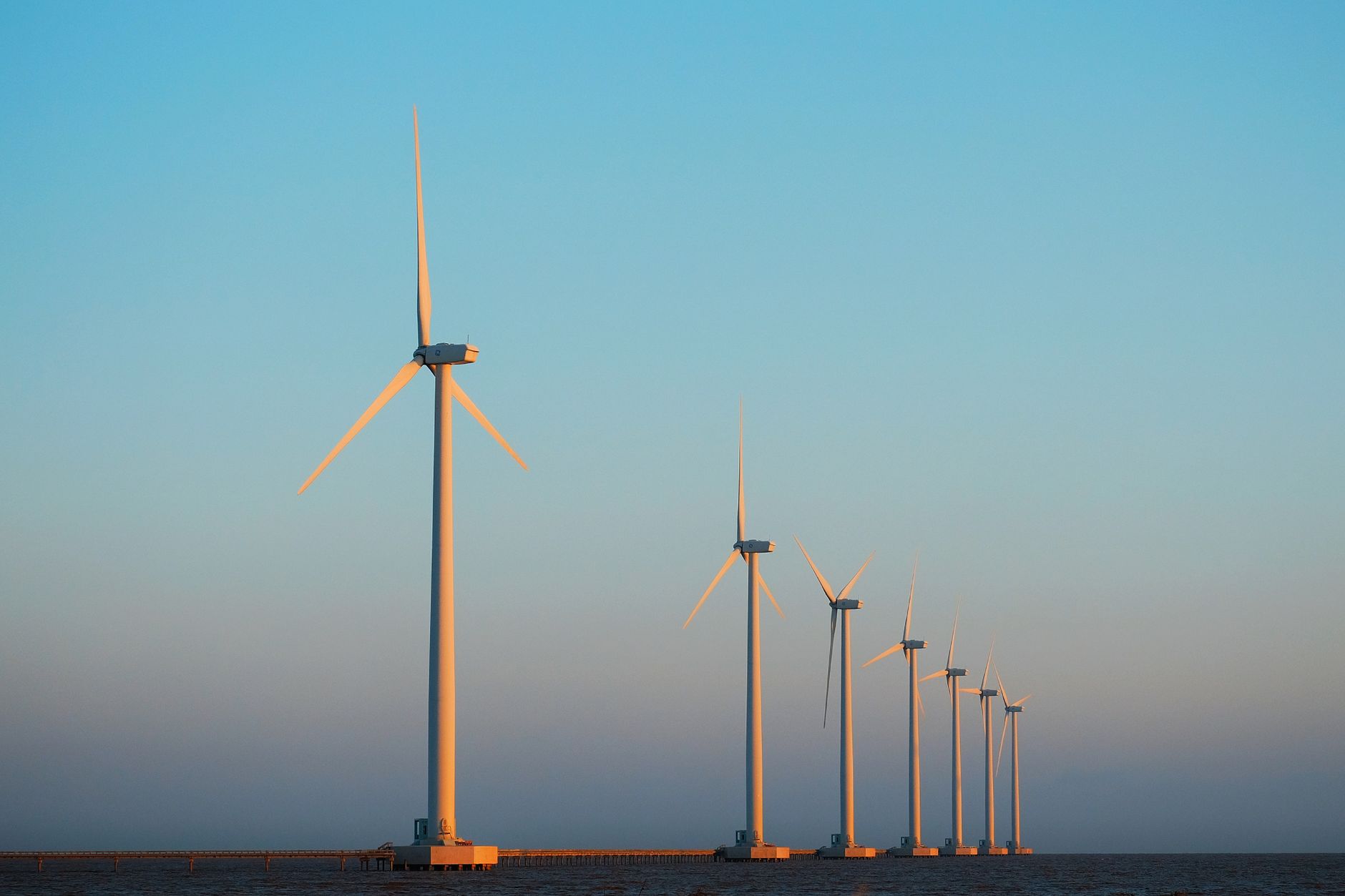
When Scale Meets Reality
The emergence of a $1.5 billion impairment charge at a major offshore wind venture underscores a hard truth: bigger projects don't automatically generate better returns. Instead, they amplify execution risk. When a utility-scale offshore development must write down expectations by that magnitude, it signals fundamental misalignment between initial assumptions and operational reality—whether that's installation challenges, supply chain delays, grid interconnection bottlenecks, or performance expectations.
Offshore development complexity grows non-linearly with scale. Modern turbine blades now exceed 115 meters in length, fundamentally altering logistics, vessel requirements, and installation weather windows. Projects conceived years ago often underestimated the practical constraints of deploying machines at this scale in marine environments. A design that looked mathematically sound in 2020 may face unforeseen installation challenges by 2024.
The Cost Escalation Trap
Large impairments typically reflect one of several overlapping problems: insufficient contingency allocation, underestimated labor and specialized vessel costs, supply chain inflation, or lower-than-projected capacity factors during early operations. Each compounds the others. When a project faces any single challenge, cost pressure forces decision-making that cascades into quality or schedule problems elsewhere.
Developers face particular pressure to lock in financing based on early estimates, leaving little room for the inevitable gaps between modeling and construction reality. By the time actual numbers emerge, the project is too far advanced to retreat gracefully.
Implications for the Sector
This kind of write-down matters beyond the affected company. It influences how lenders evaluate future offshore ventures, potentially tightening financing terms across the sector. Investors pay attention to which developers can deliver on promises and which ones need billion-dollar corrections.
The industry has been trending toward larger turbine installations partly because economies of scale should theoretically reduce per-megawatt costs. But realizing those savings requires flawless execution under novel conditions—something the field is still learning to do consistently. Projects that assume textbook conditions tend to become cautionary tales.
Wind development remains viable and necessary, but large offshore projects demand the kind of rigorous front-end engineering, conservative cost estimating, and contingency planning that sometimes gets compressed when development timelines accelerate. The $1.5 billion marker serves as a reminder of what happens when they don't.
Enjoyed this one?
Get the next MW Daily entry straight to your inbox.
mwdaily.energy — no spam, unsubscribe anytime