Executive summary – Energy and AI – Analysis
AI is reshaping energy systems, but the industry must navigate computational demands against climate goals
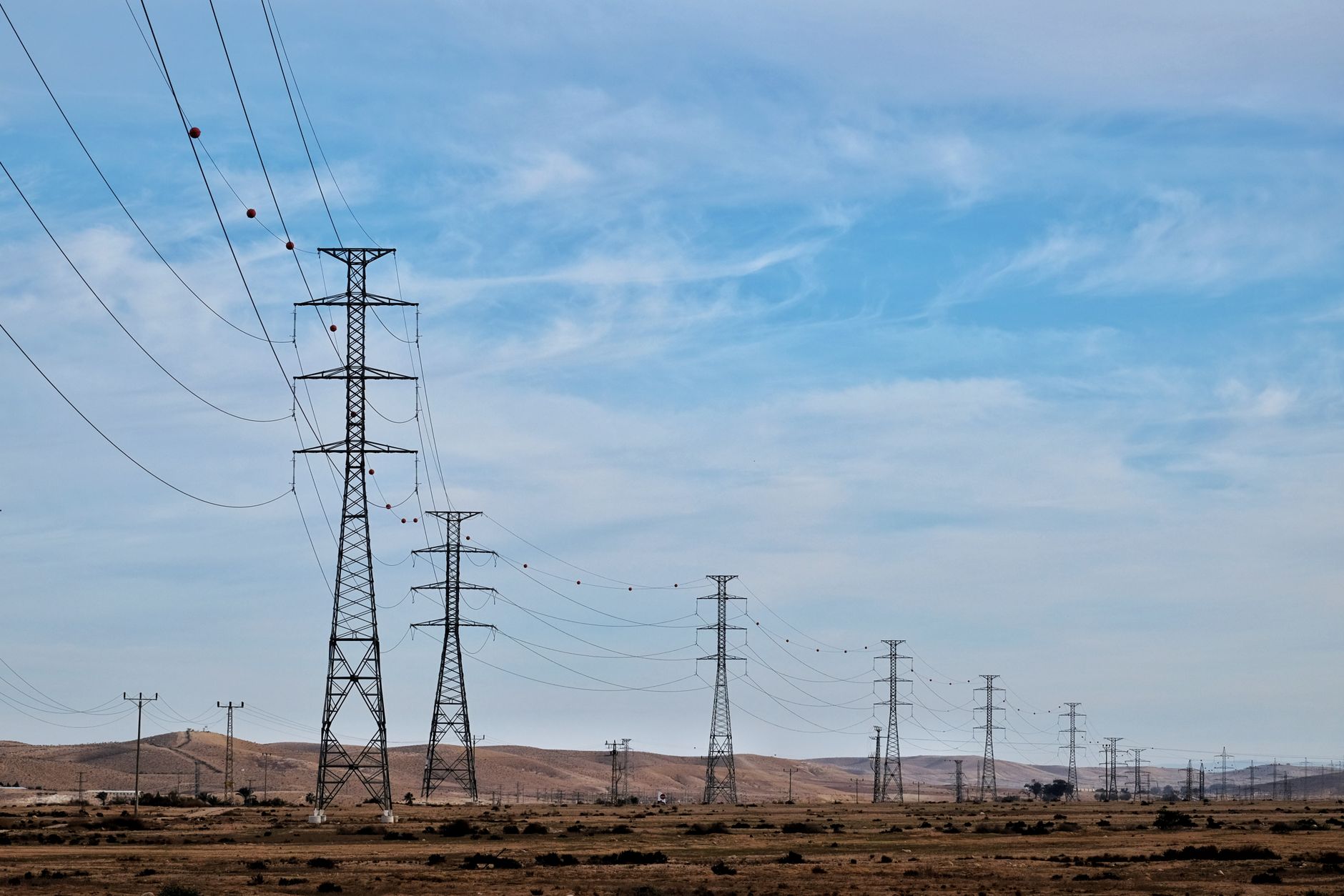
Computing Power Meets Grid Stability
The convergence of artificial intelligence and energy infrastructure presents both opportunity and challenge. Data centers and machine learning operations consume significant electricity, yet the same technologies offer tools to optimize generation, storage, and dispatch across increasingly complex systems. The IEA's analysis of this relationship comes as utilities worldwide grapple with balancing computational load growth against decarbonization targets.
This tension matters operationally. Wind farms, solar arrays, and battery systems generate millions of data points daily—weather forecasting, output predictions, grid stability modeling. Processing that information in real time requires computing infrastructure. Meanwhile, those same AI systems can improve forecasting accuracy, reduce curtailment, and enable demand-side flexibility that stabilizes networks with high renewable penetration.
Scale Drives Both Complexity and Opportunity
Consider the physical realities: modern offshore wind turbine blades now exceed 115 meters in length—longer than an American football field. Each installation produces terabytes of operational data annually from sensors monitoring structural loads, wind shear, electrical output, and grid connection quality. Machine learning models analyzing this data can predict maintenance intervals, optimize blade pitch in real time, and coordinate hundreds of turbines as a coherent grid resource.
But that coordination requires computational resources. The question isn't whether to deploy AI in energy systems—it's how to do so efficiently, powered by the clean generation those systems produce.
Policy and Procurement Alignment
The industry needs intentional pairing of energy and AI infrastructure. Locating data centers near renewable generation hubs—particularly offshore wind clusters or solar farms with stable output—creates self-reinforcing systems. More subtly, grid operators need investment in decision-support tools that reduce operator workload and improve response times during high-variability periods, particularly as wind and solar penetration climbs beyond 50 percent in leading markets.
Engineers implementing these systems should expect questions about embedded carbon in computing hardware and lifecycle impacts. The energy efficiency gains from AI-driven dispatch optimization are real and measurable, but only if the computation itself runs on decarbonized electricity or, pragmatically, transitions toward it over time.
The IEA's framing recognizes that ignoring AI's role in future grids isn't an option. The technology is already embedded in forecasting, trading algorithms, and equipment diagnostics. The strategic question is whether deployment proceeds deliberately—with explicit accounting for energy requirements and grid benefits—or reactively, adding load without capturing offsetting value.
Enjoyed this one?
Get the next MW Daily entry straight to your inbox.
mwdaily.energy — no spam, unsubscribe anytime