Juan Tomas Sanchez
GWEC leadership shift signals strategic recalibration as offshore wind scales beyond engineering limits.
Executive Transition at the Council Level
Juan Tomás Sánchez's move into a leadership position at the Global Wind Energy Council marks a significant moment for an organization navigating the sector's rapid maturation. At a time when offshore development is accelerating globally, the council's direction will inevitably shape how the industry coordinates on standards, policy alignment, and technical readiness across regions with vastly different supply chains and regulatory frameworks.
The Engineering Reality of Current Deployment
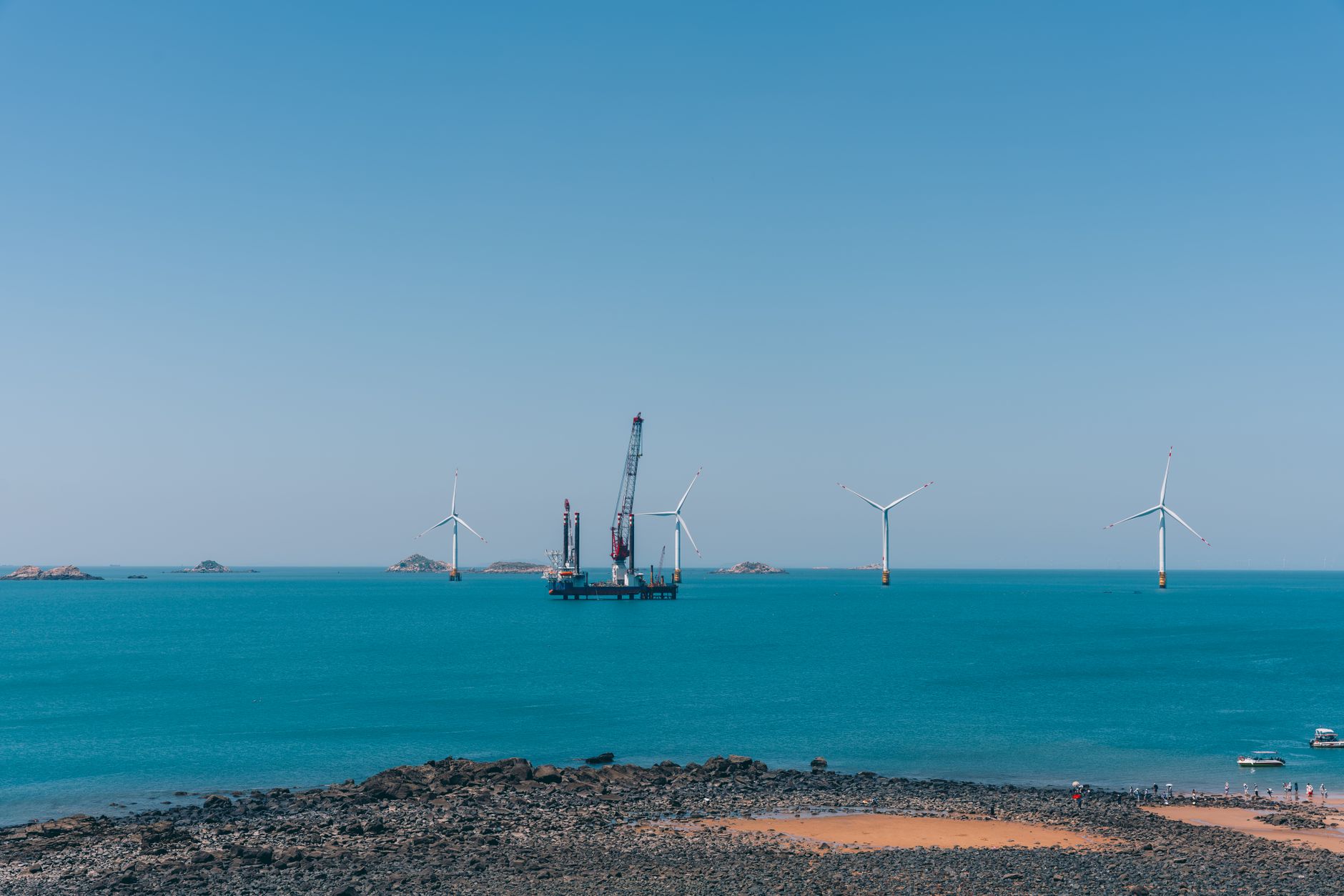
The practical scale of modern offshore turbines underscores why organizational leadership matters now more than ever. Rotor blades have grown to exceed 115 meters in length—a dimension that fundamentally reshapes logistics, installation methodology, and foundation design. This isn't incremental growth; it's a shift that demands coordination among manufacturers, port operators, installation contractors, and grid operators. Longer blades mean heavier loads on substructures, more complex vessel requirements, and tighter tolerances throughout the supply chain. These are not academic concerns—they directly impact project timelines and capital efficiency.
Coordination Across Fragmented Markets
The wind industry remains regionally fragmented despite its global ambitions. European offshore standards differ meaningfully from Asian approaches, which differ again from emerging markets in the Americas. A council leadership team must bridge these divides while maintaining technical credibility. Sánchez's appointment suggests GWEC is positioning itself to address the coordination gaps that slow deployment—whether that's harmonizing certification pathways, improving supply chain visibility, or advocating for grid integration standards that keep pace with turbine capability.
What This Means for Deployment Momentum
The offshore sector's growth trajectory depends on solving scaling problems faster than they compound. When blades reach football-field lengths, when foundation innovations push into deeper waters, and when installation vessels push the boundaries of what's constructable, industry coordination isn't optional—it's a prerequisite. Leadership changes at organizations like GWEC often signal a strategic pivot in how the council intends to add value. Whether Sánchez's role emphasizes technical working groups, policy advocacy, or supply chain coordination will become clear in the months ahead. Either way, the organization's decisions will ripple through project pipelines globally.
Enjoyed this one?
Get the next MW Daily entry straight to your inbox.
mwdaily.energy — no spam, unsubscribe anytime