16th Dii Desert Energy Leadership Summit
GWEC convenes desert energy leaders to explore wind's role in arid regions and grid stability
Why Desert Wind Matters Now
The Global Wind Energy Council's Desert Energy Leadership Summit brings together stakeholders focused on an underutilized resource corridor. Arid and semi-arid regions offer consistent wind patterns that can anchor regional grids, yet remain underdeployed compared to coastal installations. The timing reflects broader recognition that meeting decarbonization targets requires tapping diverse geography, not just concentrating capacity where infrastructure already exists.
Desert deployment presents distinct challenges—supply chain logistics, water scarcity for maintenance, grid interconnection across sparse networks—but also advantages in land availability and often favorable wind regimes during specific seasons.
The Scale Question
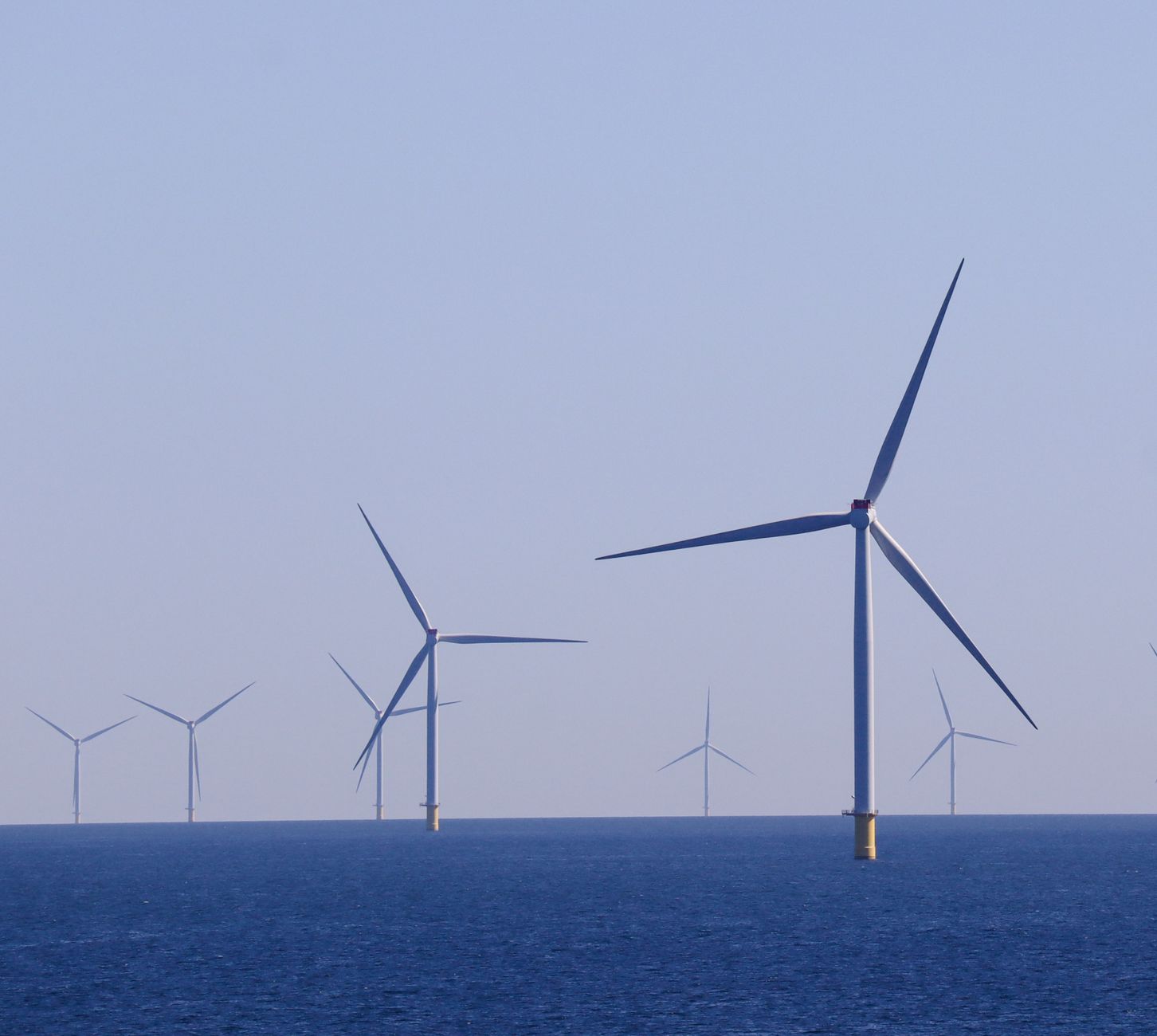
While much attention focuses on offshore expansion, where modern turbine blades now exceed 115 meters in length—stretching longer than a football field—onshore desert installations typically run smaller. That constraint doesn't diminish their value. Desert sites often benefit from predictable diurnal patterns and minimal wake effects given expansive spacing, meaning capacity factors can rival more celebrated offshore deployments despite using conventionally-sized equipment.
The engineering economics shift when you're not fighting constrained real estate or marine environments. Simpler foundations, reduced corrosion exposure, and established supply chains for terrestrial components can offset the logistics burden of operating in remote locations.
Regional Energy Independence
For countries spanning arid zones—stretching from North Africa through the Middle East and Central Asia—wind development offers a hedge against fossil fuel volatility and import dependency. The summit likely addresses how these regions can build manufacturing ecosystems rather than remaining perpetual end-users of equipment manufactured elsewhere.
Grid operators in desert regions also face specific demands: many serve sparse populations with intermittent demand patterns, requiring storage and hybrid generation strategies that differ from densely-populated temperate zones. Discussions around hybrid wind-solar parks and battery deployment probably figure prominently.
What Follows the Summit
These convenings typically produce frameworks, not binding commitments. Real outcomes emerge when participants return home and navigate permitting, financing, and grid code modifications. The council's role is catalyzing dialogue between equipment manufacturers, developers, utilities, and regulators who rarely occupy the same room otherwise.
Desert wind won't solve global energy transition alone, but it fills a geographic gap that concentrated offshore-onshore strategies leave open. Leadership summits matter less for what's announced than for shifting where capital and technical talent flow next.
Enjoyed this one?
Get the next MW Daily entry straight to your inbox.
mwdaily.energy — no spam, unsubscribe anytime