turkiye
Turkey emerges as a rising force in global wind expansion, with implications for supply chains and regional energy independence.
Turkey's Position in the Global Expansion Narrative
Turkey's prominence in recent wind energy discussions reflects broader shifts in how international markets are developing generation capacity. The country sits at a geographic crossroads where wind resources and grid infrastructure investments are converging, making it increasingly relevant to the global supply chain that supports turbine manufacturing and deployment.
What matters for the sector is understanding how Turkey fits into the broader GWEC outlook. The organization tracks capacity additions worldwide, and Turkey's involvement signals either accelerating domestic deployment or growing manufacturing relevance. Either scenario carries downstream implications for component sourcing, logistics networks, and the engineers managing large-scale installations.
Scale and Complexity in Modern Installations
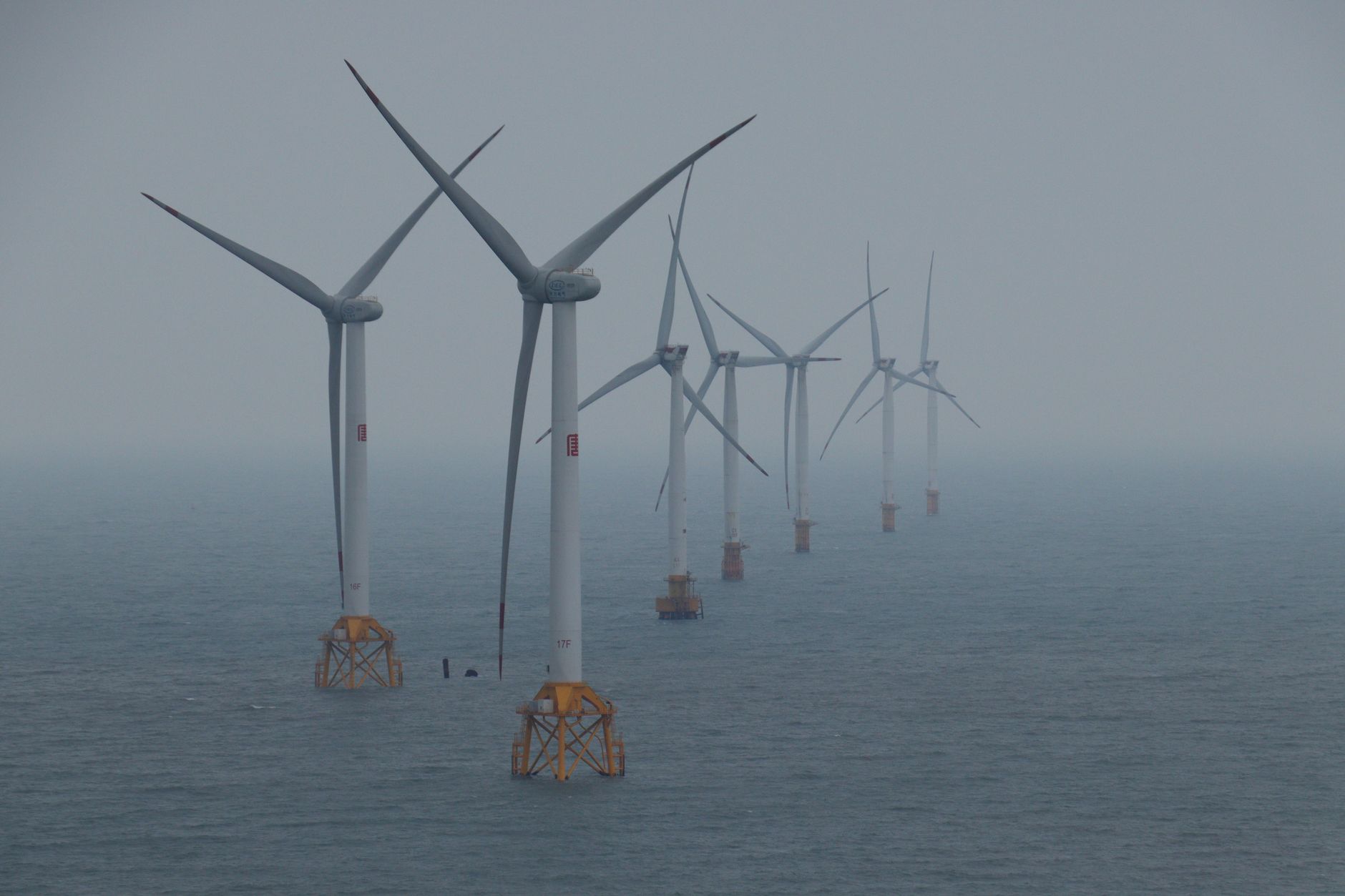
The growth trajectory in markets like Turkey coincides with turbine technology that has fundamentally changed what's possible in wind farm design. Modern offshore blades now exceed 115 meters in length—a dimension that reshapes logistics planning, installation vessel requirements, and foundation engineering. That scale translates to single-unit power outputs that previous generations couldn't achieve, altering the economics of deployment in any market that can accommodate them.
For onshore projects dominating Turkey's current portfolio, blade lengths are more modest but still substantial. The engineering challenges of siting, foundation design, and grid integration remain complex regardless of whether you're working with offshore superlatives or efficient onshore configurations.
Manufacturing and Regional Strategy
Turkey's role in GWEC's coverage typically centers on domestic capacity additions, but the country's industrial base also supports component manufacturing for regional and export markets. The proximity to European supply chains and the Middle Eastern demand corridors positions Turkish facilities in a strategic middle ground.
Engineers tracking supply chain resilience and production capacity watch these markets carefully. A country ramping up wind deployment often develops complementary manufacturing infrastructure—gearboxes, towers, electrical systems—that eventually serves a wider geography. That diversification in production hubs matters when global supply chains face disruption.
Next Moves
The specific drivers behind Turkey's current positioning—whether grid modernization targets, renewable energy mandates, or economic factors—would shape how substantially the growth materializes. What's clear is that any meaningful acceleration in Turkish wind development connects to the broader technical sophistication the industry now requires, from blade design down to foundation engineering and grid management.
Enjoyed this one?
Get the next MW Daily entry straight to your inbox.
mwdaily.energy — no spam, unsubscribe anytime