Former CEO of TotalEnergies renewables subsidiary reveals next move
TotalEnergies renewables leader charts next career move, signaling shifting dynamics in oil major clean energy strategies
Leadership Shuffle in Big Oil's Green Play
The departure of TotalEnergies' renewables leadership marks another visible crack in how traditional energy companies are managing their energy transition. When top renewables executives leave integrated oil firms, it often signals underlying friction between legacy business culture and the operational demands of modern clean energy ventures. This isn't unusual—moving renewable subsidiaries from exploratory divisions into revenue-generating operations requires fundamentally different management mindsets.
TotalEnergies has been among the more aggressive majors in building renewable capacity, but growth at that scale creates pressure points. Renewables teams operate with different timelines, regulatory environments, and financing structures than hydrocarbon divisions. A seasoned renewables executive stepping away suggests they may be charting a path where their expertise aligns more directly with sector momentum.
The Scale Challenge in Offshore
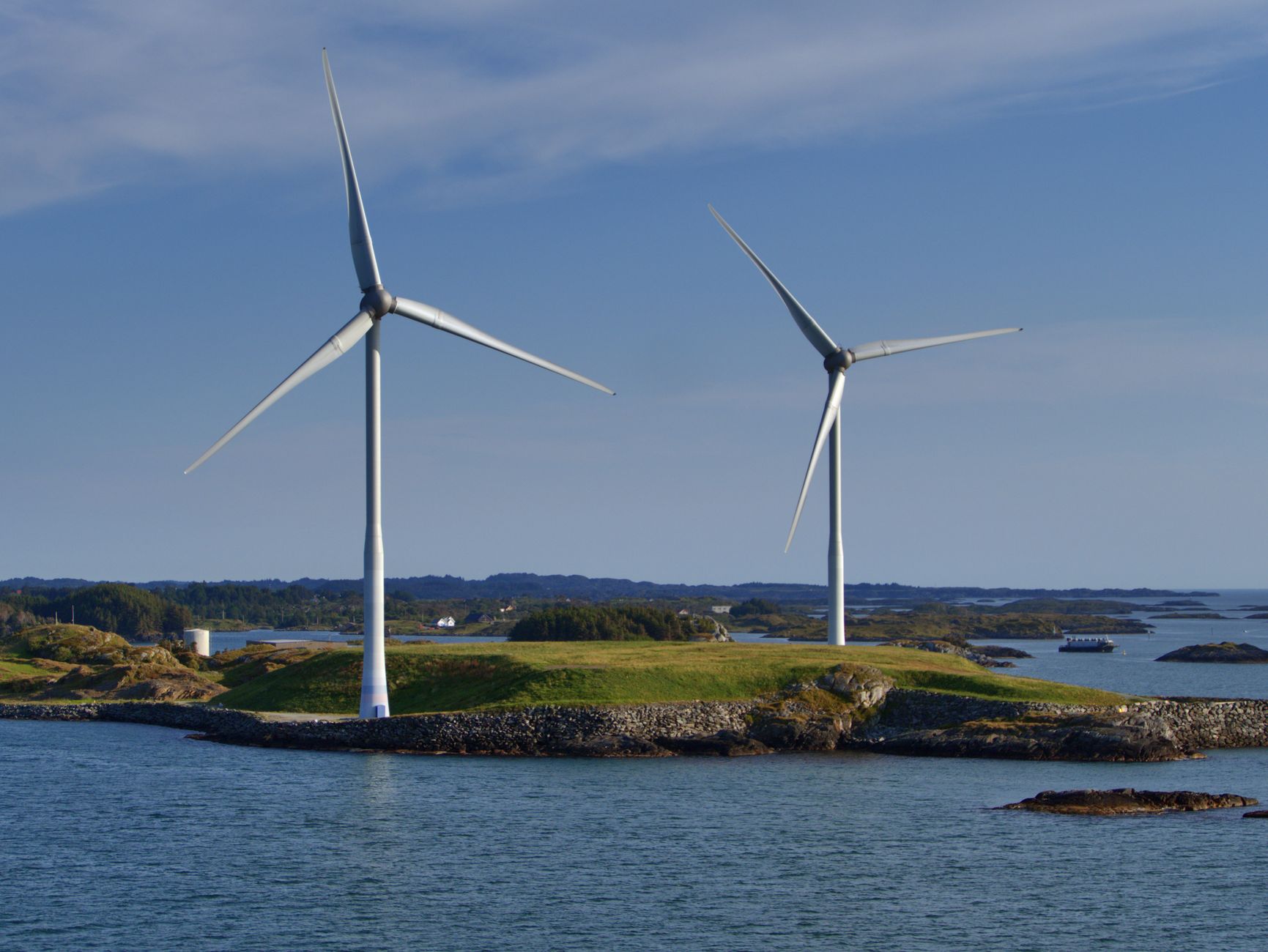
For context on why these leadership decisions matter: modern offshore turbine blades now exceed 115 meters in length—longer than a football field—meaning single blade manufacturing and logistics require specialized infrastructure and supply chains distinct from anything traditional energy companies manage. Sourcing, transporting, and installing components at that scale demands expertise in areas oil companies don't inherently possess. The engineering challenges alone push companies toward specialized partnerships or standalone strategies.
Whoever steps into renewables leadership at major integrateds faces the reality that offshore wind isn't an extension of oil and gas operations. It's a separate technical discipline with its own supply ecosystem, project financing mechanisms, and regulatory pathways. That person needs credibility in both worlds—petroleum background for boardroom navigation, but clean energy competency to execute.
What This Signals
Executive transitions at this level often precede strategic announcements. Whether the departing leader is moving to a pure-play renewable company, joining a competing major, or launching something independent, their next move will likely reveal where renewables capital and talent see the most strategic advantage over the next five to ten years. Given current market conditions—rising offshore costs, supply chain maturation, and grid integration complexity—their destination will tell us whether the future of large-scale renewables belongs inside integrated majors or alongside specialized operators building infrastructure from the ground up.
Enjoyed this one?
Get the next MW Daily entry straight to your inbox.
mwdaily.energy — no spam, unsubscribe anytime