One of Europe's biggest onshore wind farms set for Supreme Court showdown
A major European onshore wind project faces legal challenge at the highest judicial level, potentially reshaping permitting precedent across the continent.
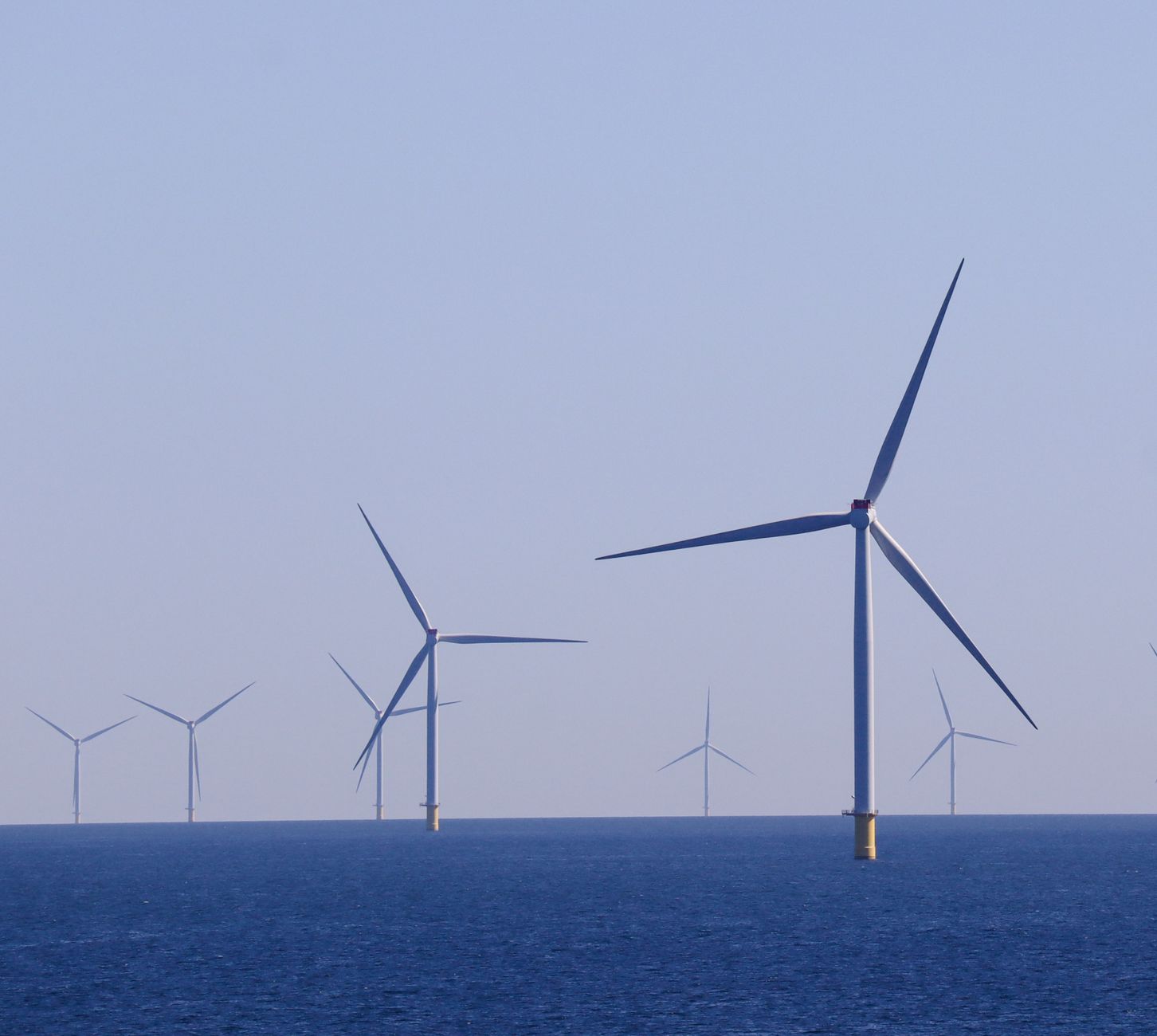
When Projects Become Test Cases
Large-scale onshore wind development rarely moves smoothly from planning board to construction phase. When a facility reaches the scale of Europe's largest installations, the stakes—and the opposition—intensify accordingly. This particular project's escalation to supreme court review signals that standard administrative appeals have exhausted themselves, and fundamental questions about wind energy's regulatory pathway are now in play.
The litigation matters beyond this single site. Courts operating at the highest level don't typically hear cases about routine permitting decisions. Their involvement suggests either novel legal questions about environmental assessment, land rights, or procedural fairness, or that existing judicial interpretations need clarification. Either way, the ruling will establish precedent that affects how subsequent projects navigate approval processes across European jurisdictions.
The Engineering Reality Behind Opposition
Wind turbines operate with surprising grace relative to their scale. Modern blade tips travel at velocities exceeding 300 km/h despite the rotor turning at only 10-15 rpm. This geometry—slow rotation coupled with extreme tip speeds—reflects decades of optimization for energy capture and structural efficiency. Yet this same dynamic behavior, along with noise, shadow flicker, and visual impact, anchors much local opposition to onshore development.
For engineering teams, the court process represents an external constraint they cannot directly influence through design innovation or operational adjustments. Acoustic modeling, setback calculations, and electromagnetic simulation all become exhibits rather than solutions when litigation takes over.
Systemic Implications
Europe's renewable targets depend on onshore wind capacity expansion—a reality that doesn't eliminate legitimate local concerns or legal standing for affected parties. Court decisions on this scale typically either streamline future permitting by clarifying standards, or they create additional procedural requirements that lengthen development timelines further.
For developers and engineers, the uncertainty cuts both ways. A ruling that tightens environmental review criteria means longer pre-construction phases but potentially clearer expectations. A decision favoring expedited approval could unlock stalled projects, though it might also invite further litigation on different grounds.
The months ahead will determine whether this case represents an isolated dispute or a bellwether for how European courts will mediate between climate imperatives and localized opposition to major infrastructure.
Enjoyed this one?
Get the next MW Daily entry straight to your inbox.
mwdaily.energy — no spam, unsubscribe anytime