Why Vattenfall joined the great offshore data centre dash
Vattenfall's offshore data centre strategy capitalizes on wind's superior ocean-based performance metrics and cooling advantages.
The Economics of Proximity
Vattenfall's move into offshore data centres reflects a straightforward engineering reality: locating compute facilities directly at generation sites eliminates transmission losses and creates operational flexibility that grid-connected alternatives cannot match. When a wind farm sits 50+ kilometres offshore, every megawatt sent ashore through subsea cable encounters resistance and degradation. Pairing computational load with generation at point-of-source converts that parasitic loss into useful work. The company is essentially building its own captive load—a strategy that smooths the variability problems that have historically complicated offshore wind economics.
Why Offshore Wins on Capacity Factor
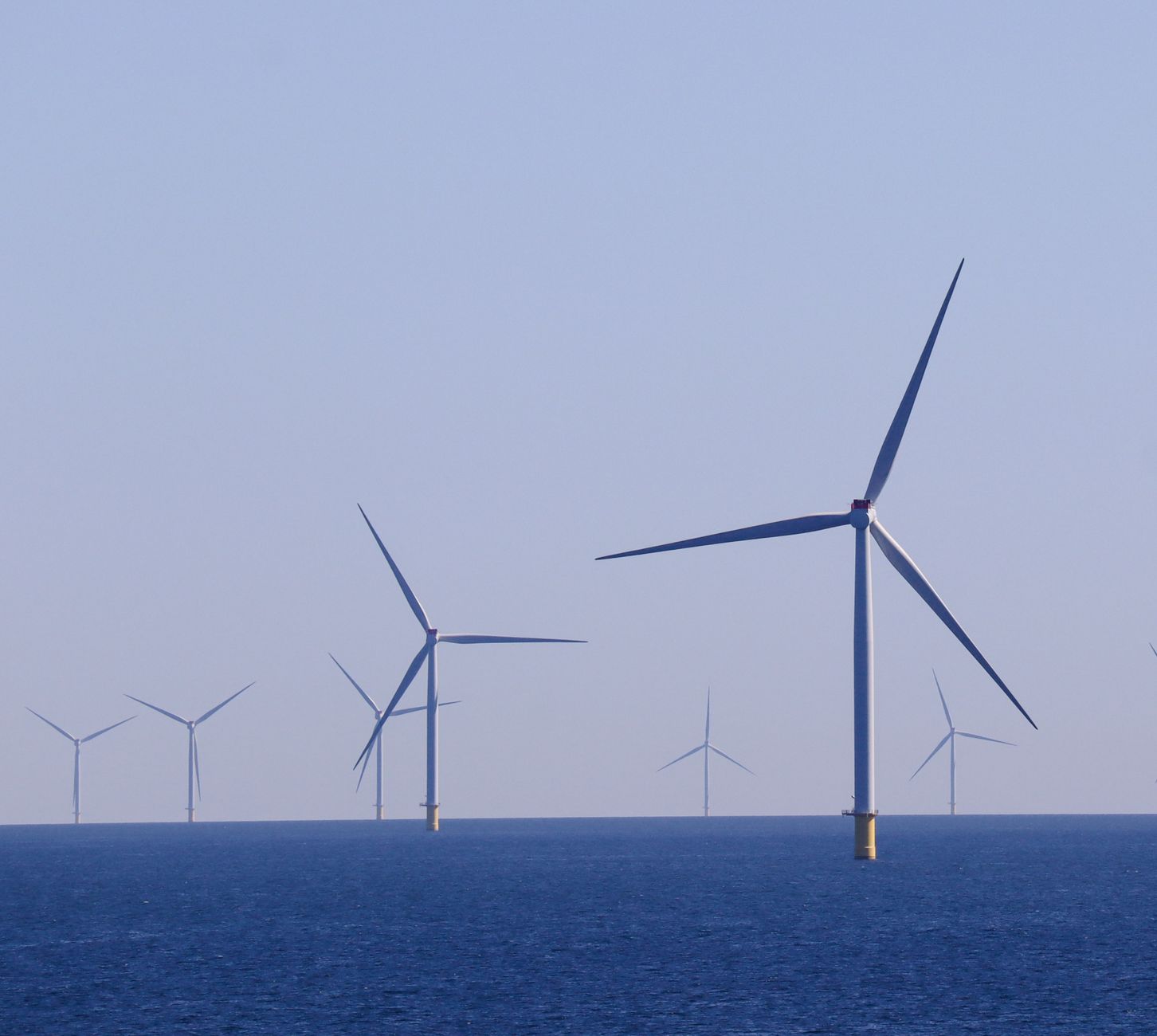
The wind resource offshore is fundamentally different. Offshore turbines operate in the 45–55% capacity factor range, compared to 25–35% for their onshore counterparts. That 20-percentage-point advantage means consistent, predictable power availability—exactly what data centre operators require. A facility relying on third-party grid supply faces demand charges, variable rates, and curtailment risk. A dedicated offshore installation offers contractual certainty and thermal stability that translates directly to margins.
The cooling advantage compounds this benefit. Ocean water provides natural heat rejection that onshore sites cannot access without significant operational cost. Data centres are thermally intensive; water-cooled systems running 24/7 represent the single largest operational expense after electricity. Floating or nearshore installations leverage seawater circulation, cutting cooling energy demand by 50% or more compared to air-cooled terrestrial facilities.
Market Timing and Grid Pressure
The dash toward offshore data centre hubs isn't accidental. Power-intensive industries—semiconductors, AI training, cryptocurrency—face grid constraints in established industrial nations. Europe's renewable targets have created capacity-constrained bottlenecks where new load has nowhere to connect. By building generation and computation as an integrated system, developers bypass grid connection queues and regulatory delays that can extend timelines by years.
Vattenfall's entrance signals that utilities with offshore wind development capabilities now see data centre investment not as a distraction but as strategic infrastructure that makes their generation assets more valuable. The margin improvement from reliable, low-cost power in a dedicated facility outweighs the engineering complexity of offshore deployment.
This consolidation—generation, transmission, and computation in a single marine facility—represents a structural shift in how industrial power demand will be served in the next decade.
Enjoyed this one?
Get the next MW Daily entry straight to your inbox.
mwdaily.energy — no spam, unsubscribe anytime