Denmark's offshore wind auction just came back from the dead
In 2024, Denmark's offshore wind tender attracted zero bids. This year, a redesigned contract drew seven — and Vattenfall walked away with 1.8 GW. Here's what actually changed.
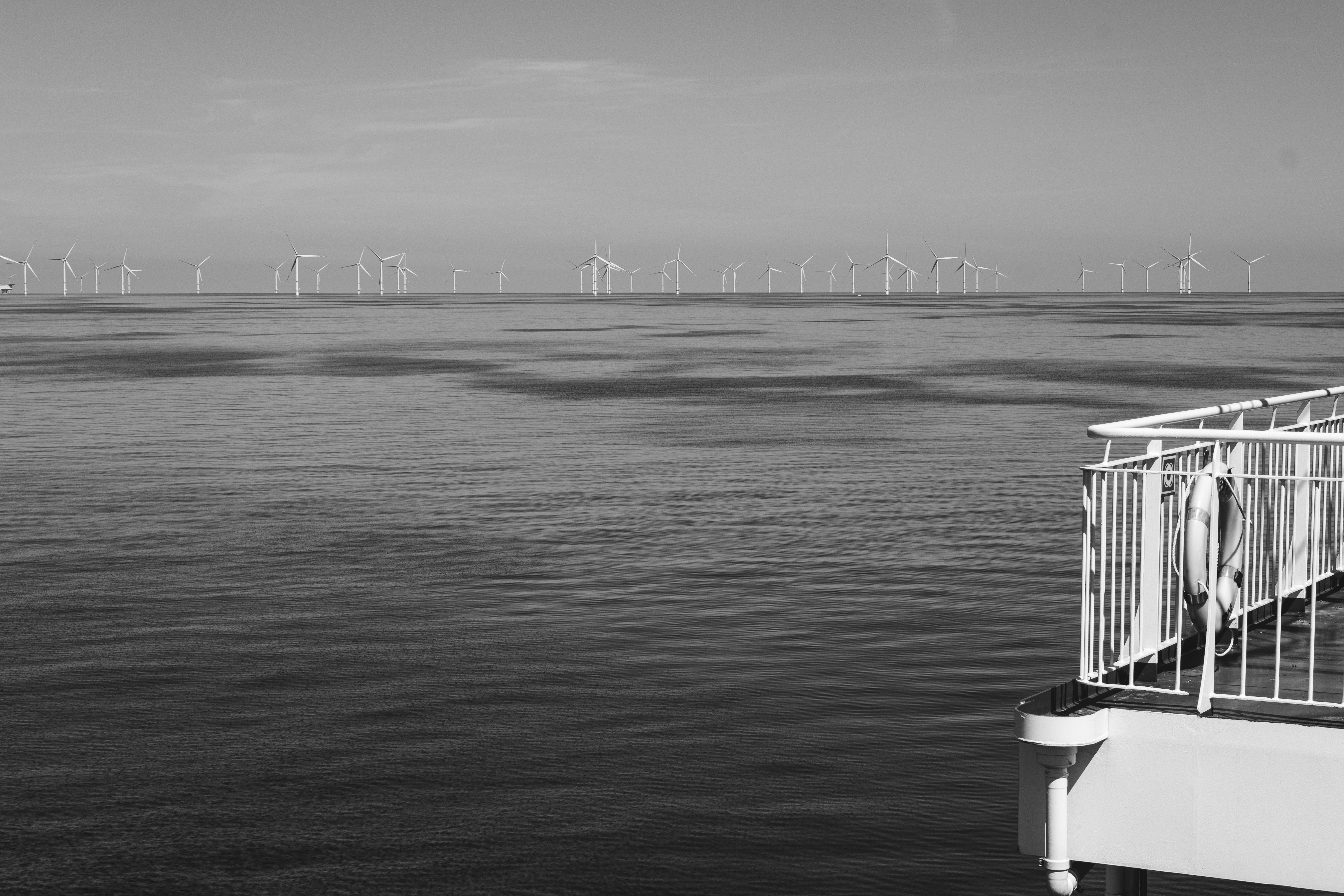
What happened
Denmark's last offshore wind auction, launched in 2024 for six sites, failed to attract a single bid. As the deadline approached for the first three areas, the Danish Energy Agency had received nothing — and was forced to cancel the round entirely.
This year's tender, covering two sites in the North Sea and Kattegat, told a very different story. The 1 GW Nordsøen Midt site drew two bids. The 800 MW Hesselø site drew five. Vattenfall won both, submitting the lowest offer at each: €67.42/MWh for Nordsøen Midt and €72.50/MWh for Hesselø.
Why it worked this time
The difference wasn't demand — it was risk. The 2024 round asked developers to bid uncapped, with no floor protecting them if power prices collapsed. This year's auction used a two-sided Contract for Difference: the government guarantees the agreed price for 20 years. If the market price falls below it, the state tops up the difference. If it rises above, the developer pays the state back.
That symmetry is what pulled bidders back to the table. Denmark's own auction commentary put it plainly: the redesign didn't lower the bar, it removed a risk nobody was willing to underwrite blind.
What it means going forward
Both projects are scheduled to be operational by 2032, adding to Vattenfall's existing five offshore wind farms in Denmark — a portfolio that already generates around 6.5 TWh a year. The bids also carried sustainability conditions attached: a requirement to recycle turbine blades, and a nature-inclusive design mandate at the Hesselø site.
The bigger signal is structural, not project-specific. Across Europe in 2025, only a fraction of planned offshore capacity actually got auctioned — roughly 7 of 17 gigawatts on offer, according to WindEurope, with several tenders failing outright. Denmark's result suggests the fix isn't more subsidy. It's better-shaped risk.
The takeaway
Failed auctions aren't always a demand problem. Often they're a risk-allocation problem — and once the structure gets fixed, the capital that was "missing" shows up fast. Worth remembering the next time a tender fails and the headline reads like nobody wants to build offshore wind.
Enjoyed this one?
Get the next MW Daily entry straight to your inbox.
mwdaily.energy — no spam, unsubscribe anytime