The North Sea just made its first green hydrogen on a working gas platform
PosHYdon just proved offshore green hydrogen production works on a live, operating gas platform — 13km off the Dutch coast, powered by wind. Here's what happens next.
What happened
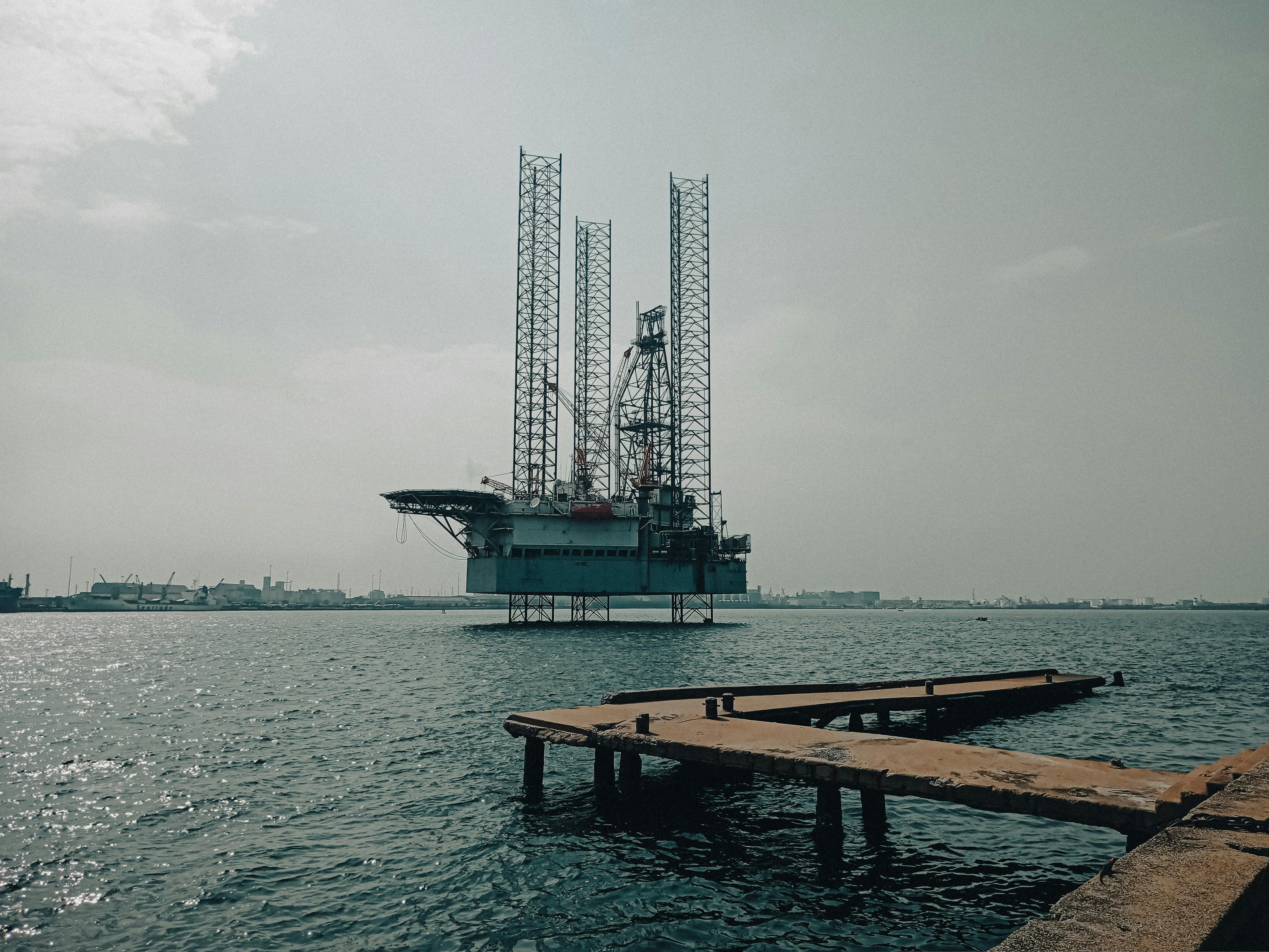
On Eni's Q13a-A platform, 13 kilometers off the Dutch coast near Scheveningen, seawater just became green hydrogen for the first time on a live, operating offshore gas platform. The PosHYdon pilot converts seawater into demineralized water, then splits it into hydrogen through electrolysis, powered by electricity from a nearby offshore wind farm — all while the platform keeps producing natural gas alongside it.
Q13a-A isn't a purpose-built demo rig. It's the Dutch North Sea's first fully electrified production platform, already doing its normal job, with hydrogen production bolted on as a live operational test rather than a lab simulation.
Why this platform matters
The volumes coming off Q13a-A right now are small on purpose — this isn't about output yet. It's about proving the mechanics survive real offshore conditions: corrosion, motion, weather, and the logistics of running electrolysis safely next to live gas infrastructure. That's a genuinely different bar than a shore-based pilot, which is exactly why an onshore version of this system was tested first at InVesta in Alkmaar before it ever went offshore.
Sixteen organizations back the project — energy majors, engineering firms, grid operators, and the Dutch Ministry of Economic Affairs and Climate Policy among them — which tells you this isn't a niche experiment. It's a coordinated bet that offshore hydrogen could solve a real bottleneck: as offshore wind capacity keeps expanding, the electricity grid onshore can't always absorb it fast enough. Converting some of that power to hydrogen at sea, then moving it through existing gas pipelines, sidesteps the grid congestion problem entirely.
What's next
TNO and the project partners are spending Q3 analyzing the operational data this pilot generates, with results due to the Dutch climate ministry in the fall. That report is the real decision point — it's what determines whether offshore electrolysis moves from "we proved it works" to actual scaled-up projects using the North Sea's existing gas infrastructure instead of building everything from scratch.
Enjoyed this one?
Get the next MW Daily entry straight to your inbox.
mwdaily.energy — no spam, unsubscribe anytime